


When considering end-of-life arrangements, the term "body disposition" refers to the final placement or treatment of human remains. While often viewed as a logistical or legal necessity, disposition is a deeply emotional and symbolic process that reflects cultural beliefs, social status, and personal attitudes toward death. From traditional ground burials to modern technological alternatives, the methods available to families vary significantly in cost, environmental impact, and ritual significance.
Traditional Burial and Cemetery Management
Historically, cemeteries have served as "sleeping chambers" (from the Greek koimeterion) or "cities of the dead" (necropolis). Whether a person is buried in a churchyard or a large national cemetery, the choice of location often carries immense weight.
Ground Burial and Protection
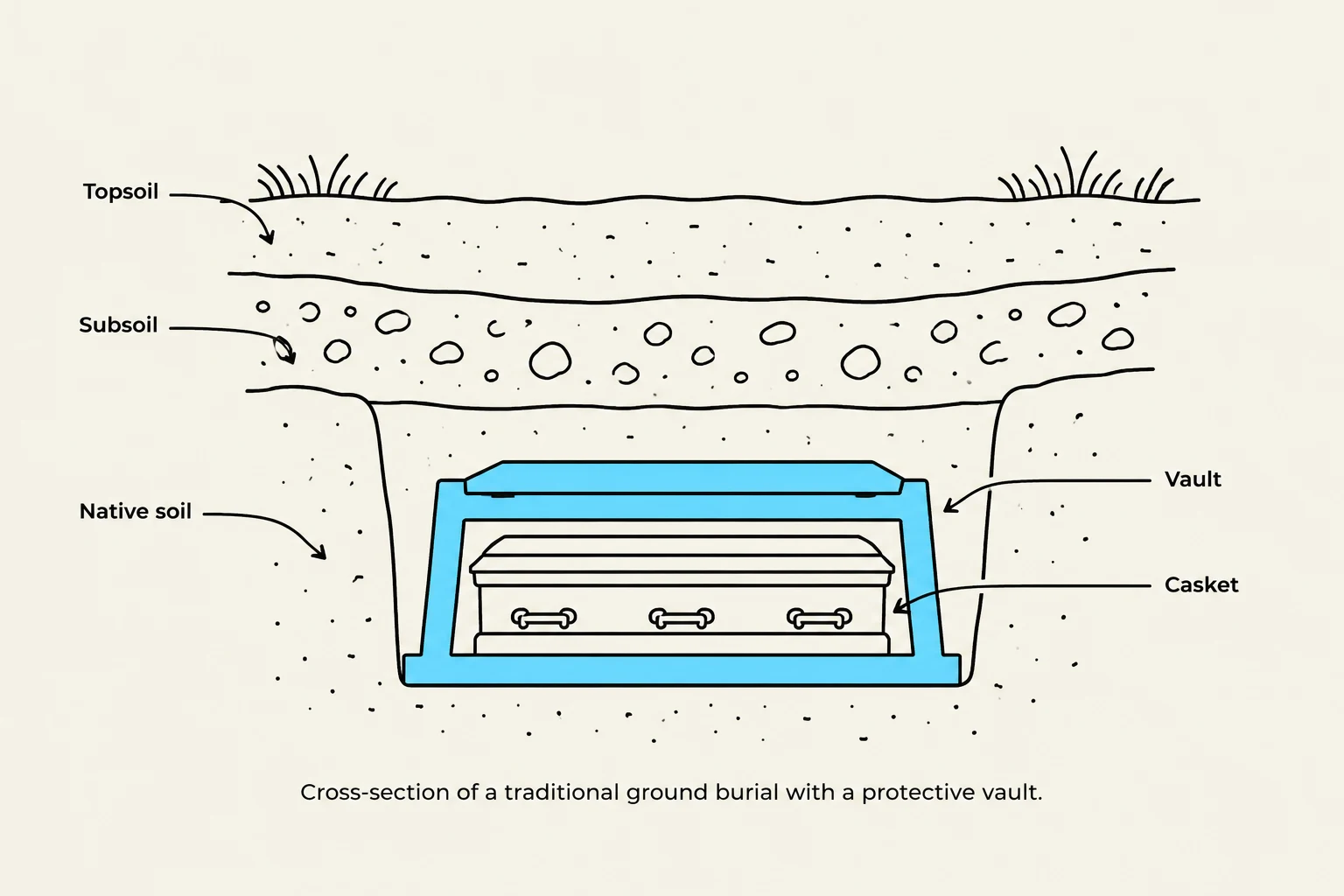
Ground burial is one of the most common traditional methods, but it involves more than just a plot of land. In many modern cemeteries, families must account for several additional requirements:
- The Plot: Depending on the region, a cemetery plot may be purchased outright or rented for a specific number of years.
- Vaults and Grave Liners: To prevent the earth above and around a casket from settling or collapsing, cemeteries usually require a grave liner or a vault. A liner provides structural support, while specialized vaults may be designed to seal out moisture, though they come at a higher cost.
- Grave Markers: These are the visible symbols of a life lived. Costs range from simple bronze or stone markers (several hundred dollars) to elaborate, custom-designed memorials that can cost many thousands of dollars.

Keep reading for free.
Create an account to finish this reading and make it part of your study routine.
Continue reading freeAlready have an account? Log in
Updated