


Medication administration is far more than a repetitive task; it is a high-stakes clinical responsibility that requires continuous judgment, vigilance, and adherence to strict protocols. As the final safety check in the healthcare chain, the nurse is often the last person capable of recognizing and stopping a medication error before it reaches the patient. To ensure patient safety, nurses must integrate the Nursing Process (ADPIE) into every administration, moving from assessment and planning to implementation and evaluation.
The Nursing Process in Medication Administration (ADPIE)
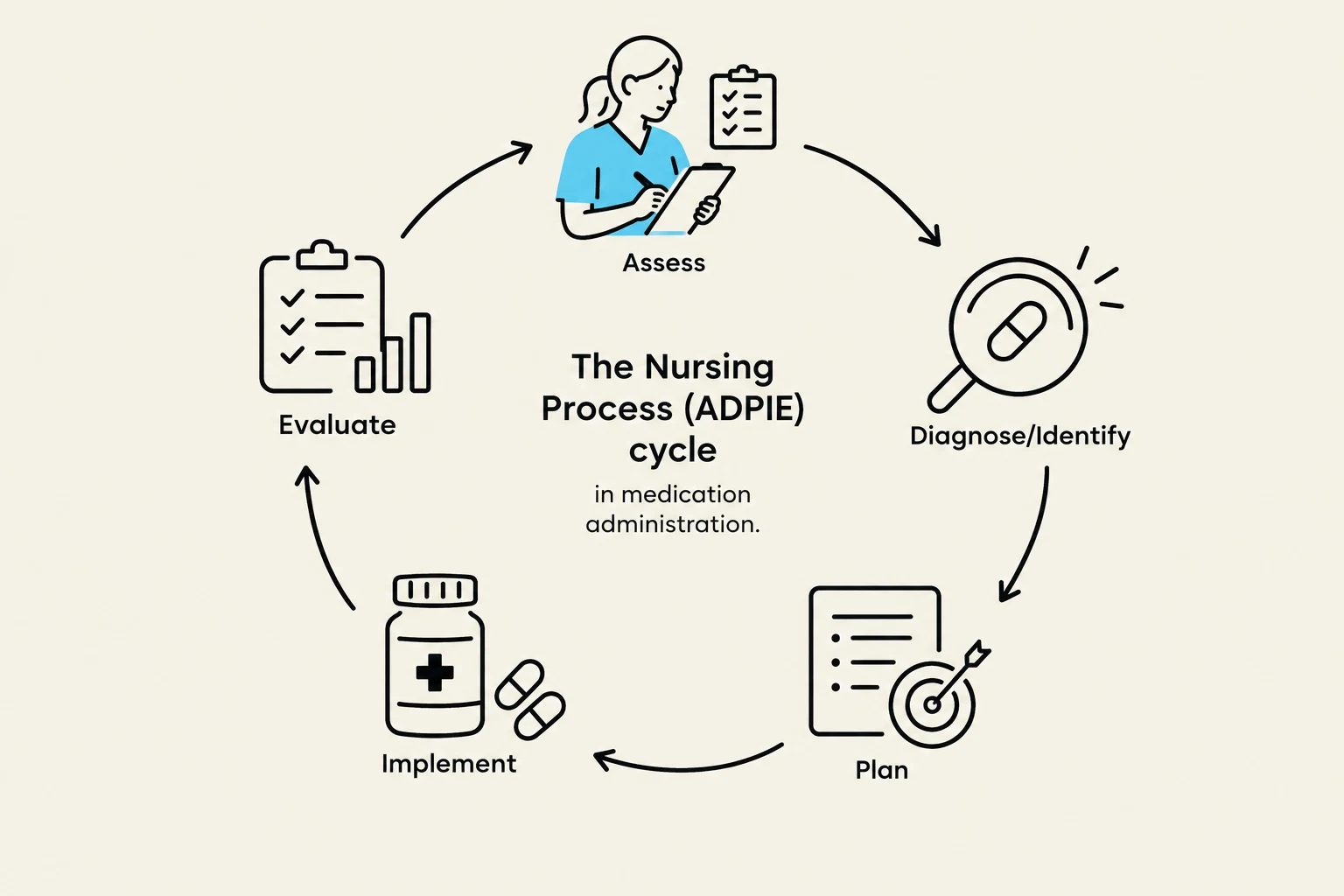
- Assess: Gather essential data, including patient history, allergies, current vital signs, and relevant laboratory values.
- Diagnose/Identify: Recognize potential risks, such as the patient's inability to swallow or a high risk for adverse reactions.
- Plan: Determine the expected therapeutic outcome and identify what specific monitoring will be required.
- Implement: Apply the "Rights" of medication administration and follow safe clinical protocols.
- Evaluate: Reassess the patient to determine if the medication produced the desired effect or caused unintended side effects.
Mastering the 11 Rights of Medication Administration

- Right Drug: Verify the medication against the MAR/eMAR and provider order.
- Right Patient: Use at least two unique identifiers (e.g., name and date of birth) and check the patient's wristband.
- Right Dose: Perform necessary calculations and have a second nurse recheck high-alert doses if required.
- Right Route: Ensure the route is appropriate for the patient's current condition (e.g., checking if an oral med is safe for a patient who is NPO).
- Right Time: Administer within the facility's allowable window, paying extra attention to time-critical meds like insulin or antibiotics.
- Right Reason: Confirm the medication matches the patient's diagnosis or clinical indication.
- Right Assessment Data: Complete required assessments (like heart rate before digoxin) before giving the drug.
- Right Documentation: Record administration immediately after it is given.
- Right Response: Monitor for the therapeutic effect and any adverse reactions.
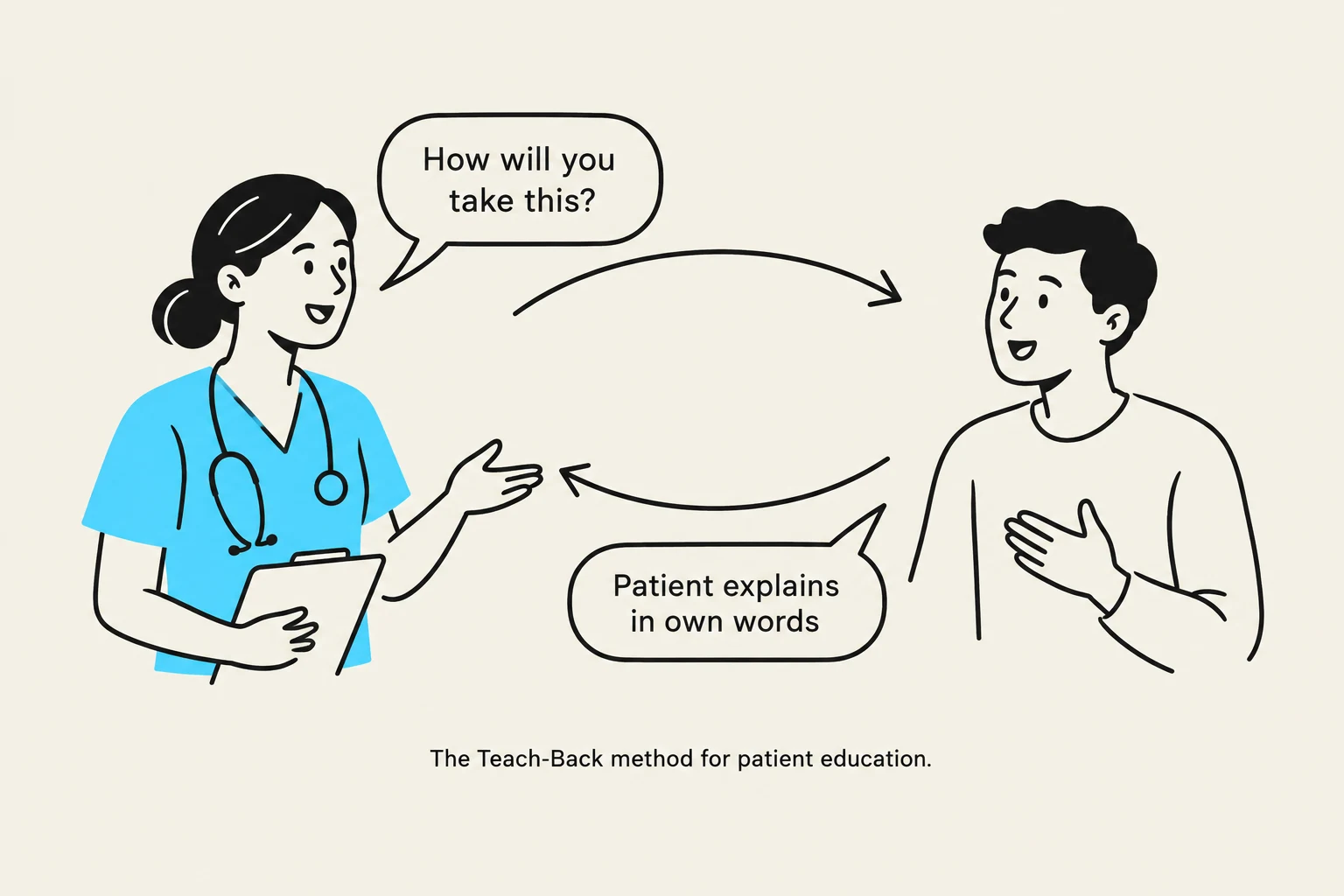
- Right Education: Ensure the patient understands why they are taking the medication.
- Right to Refuse: Respect the patient's autonomy, but educate them on the risks of refusal.
Keep reading for free.
Create an account to finish this reading and make it part of your study routine.
Continue reading freeAlready have an account? Log in
Updated