


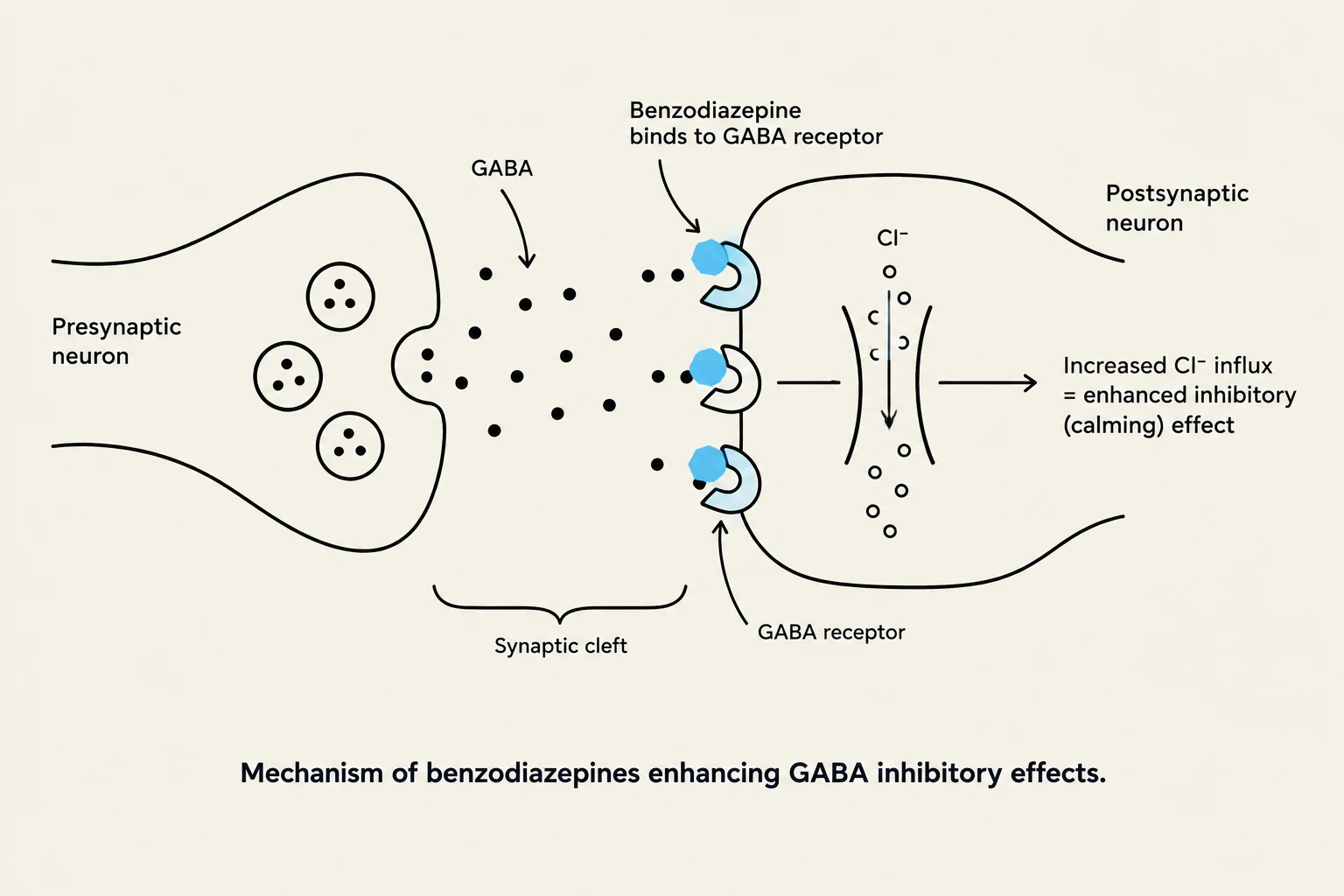
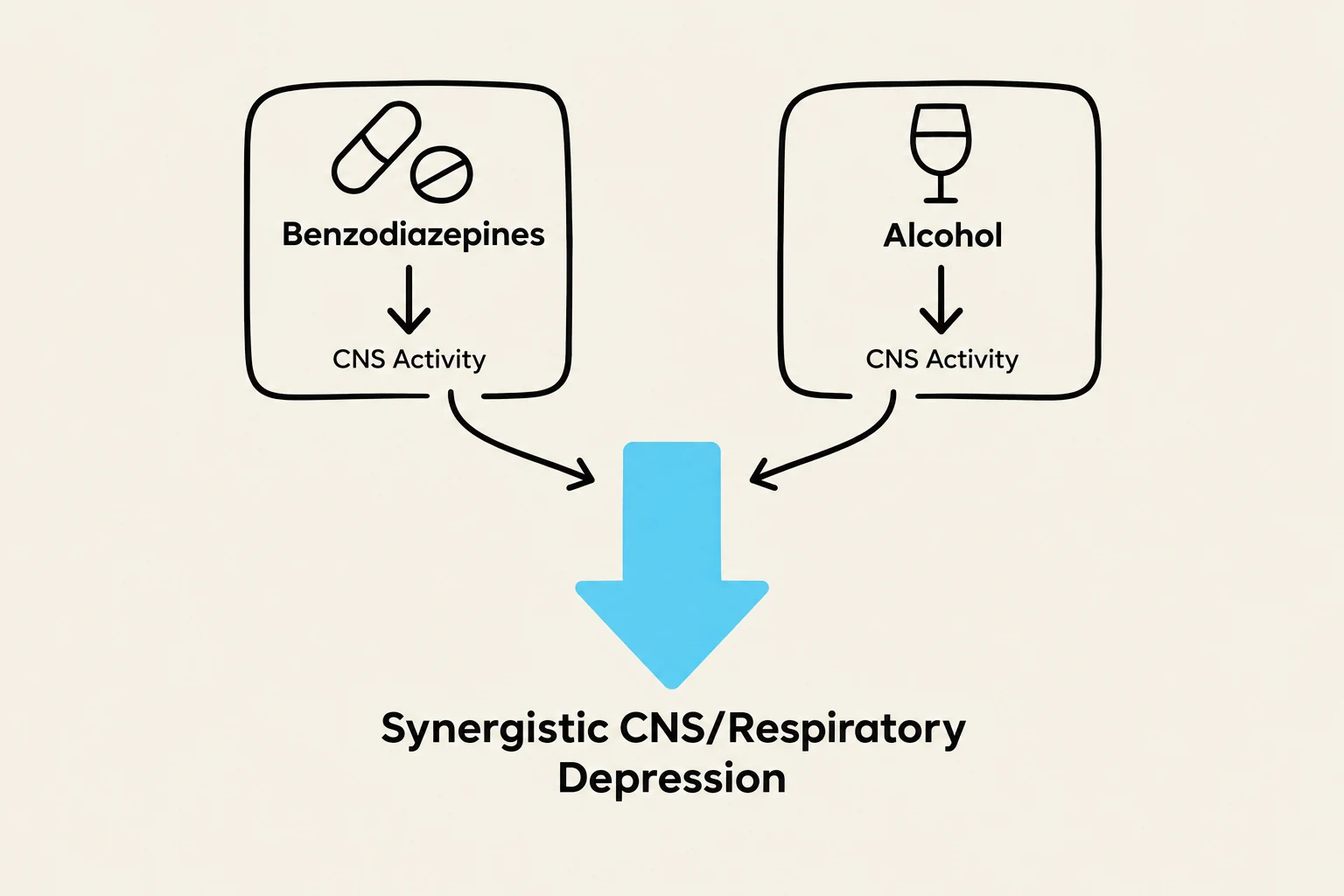
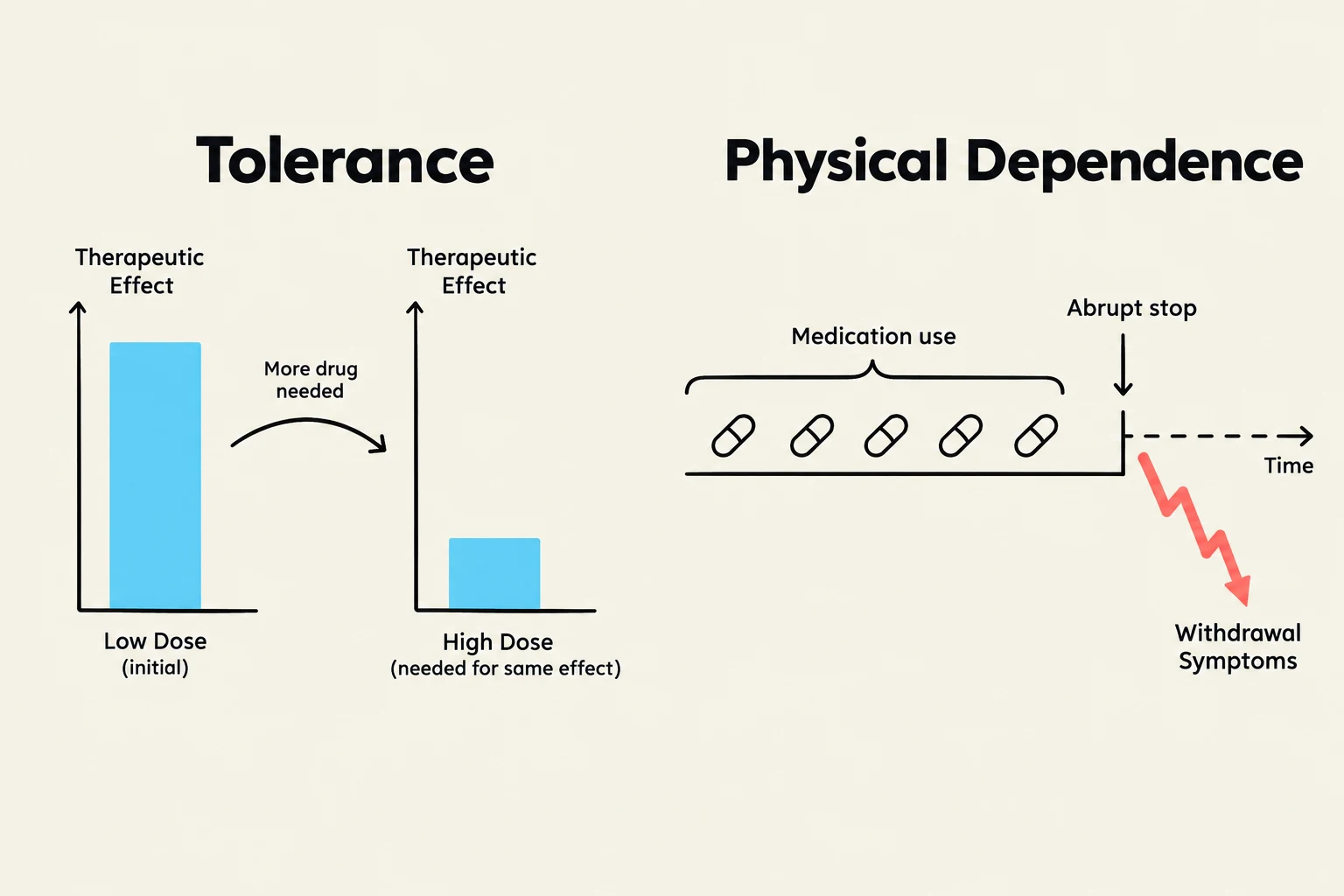
The administration of psychotropic medications, particularly benzodiazepines, requires a high level of clinical vigilance. While these drugs are highly effective in managing acute fear and anxiety by enhancing the inhibitory effects of the neurotransmitter GABA, they carry significant risks of central nervous system (CNS) depression and dependency. For healthcare providers, safety is not merely about delivering the correct dose; it involves a continuous cycle of assessment, monitoring, and patient education to prevent life-threatening complications.
Comprehensive Pre-Administration Assessment
Before a single dose is administered, a clinician must establish a clinical baseline to ensure the medication is safe for the specific patient. Effective administration begins with a holistic view of the patient's current state.
Key assessment components include:
- Baseline Vital Signs: Establishing blood pressure, heart rate, and respiratory rate is essential to monitor for subsequent depression of these systems.
- Anxiety and Sleep Patterns: Understanding the severity of the patient's anxiety and their current sleep hygiene helps in tailoring the dosage and timing.
- History of Substance Use: Because benzodiazepines have a high potential for abuse, clinicians must screen for a history of drug or alcohol use, as this significantly increases the risk of dependence.
Clinical Tip: Always assess for suicidal ideation in patients receiving medications that impact the central nervous system. Changes in mental status or the introduction of new psychotropic drugs can influence a patient's safety profile.
Understanding CNS and Respiratory Depression
Keep reading for free.
Create an account to finish this reading and make it part of your study routine.
Continue reading freeAlready have an account? Log in
Updated