


Nutrition is the body's intake of necessary nutrients for tissue growth and energy production. For healthcare professionals, understanding the intersection of prescribed diets, medical conditions, and safe feeding techniques is critical to preventing complications like malnutrition or life-threatening aspiration. This article explores the various dietary classifications used in clinical settings and the nursing responsibilities involved in assisting patients with meals.
Dietary Classifications by Consistency
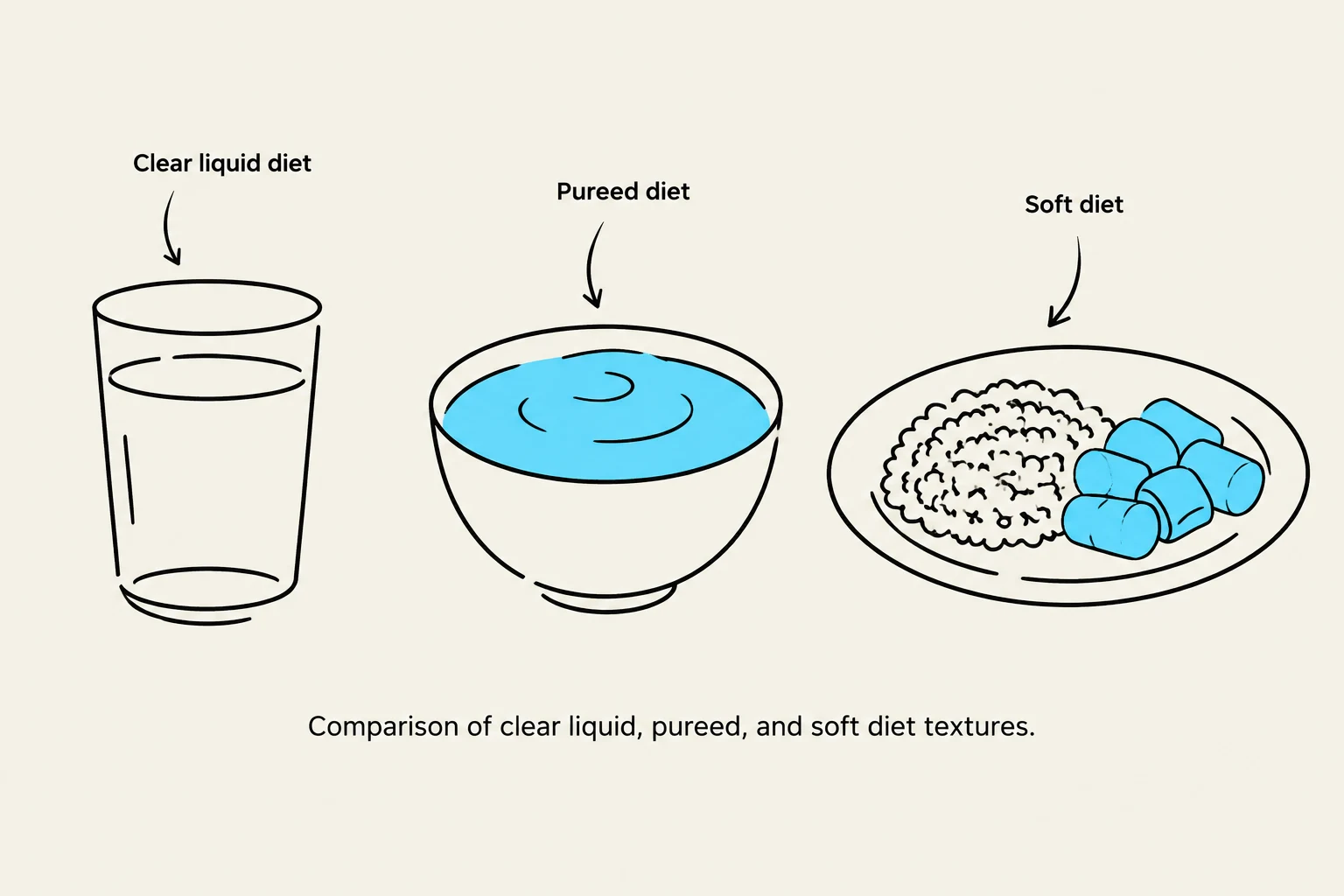
Clear Liquid Diet
A clear liquid diet consists of transparent liquids with no residue, such as water, broth, or plain gelatin. This diet is frequently ordered pre-operatively (for example, before a C-section) to ensure the stomach is empty, which helps prevent aspiration—the accidental inhalation of food or liquid into the lungs.
Pureed and Soft Diets
When a patient faces structural issues, such as those following dental or facial surgeries, they may require a pureed diet. This consists of blended foods with a smooth, uniform consistency.
For patients who can chew but have difficulty with tougher textures, a soft or mechanical diet is appropriate. This typically includes ground meats and soft-cooked vegetables, such as carrots or potatoes.
Therapeutic Diets for Disease Management
Beyond consistency, diets are prescribed to manage specific physiological needs and metabolic processes.
Keep reading for free.
Create an account to finish this reading and make it part of your study routine.
Continue reading freeAlready have an account? Log in
Updated