


Working in medical and acute care settings requires a unique psychological and technical mindset. Unlike outpatient or preventative care environments, acute care focuses on patients experiencing sudden, severe, or life-threatening changes in health status. The primary objectives in these settings are to ensure patient safety, achieve physiological stabilization, and execute rapid, evidence-based decision-making to prevent further deterioration.
The Core Objectives of Acute Care
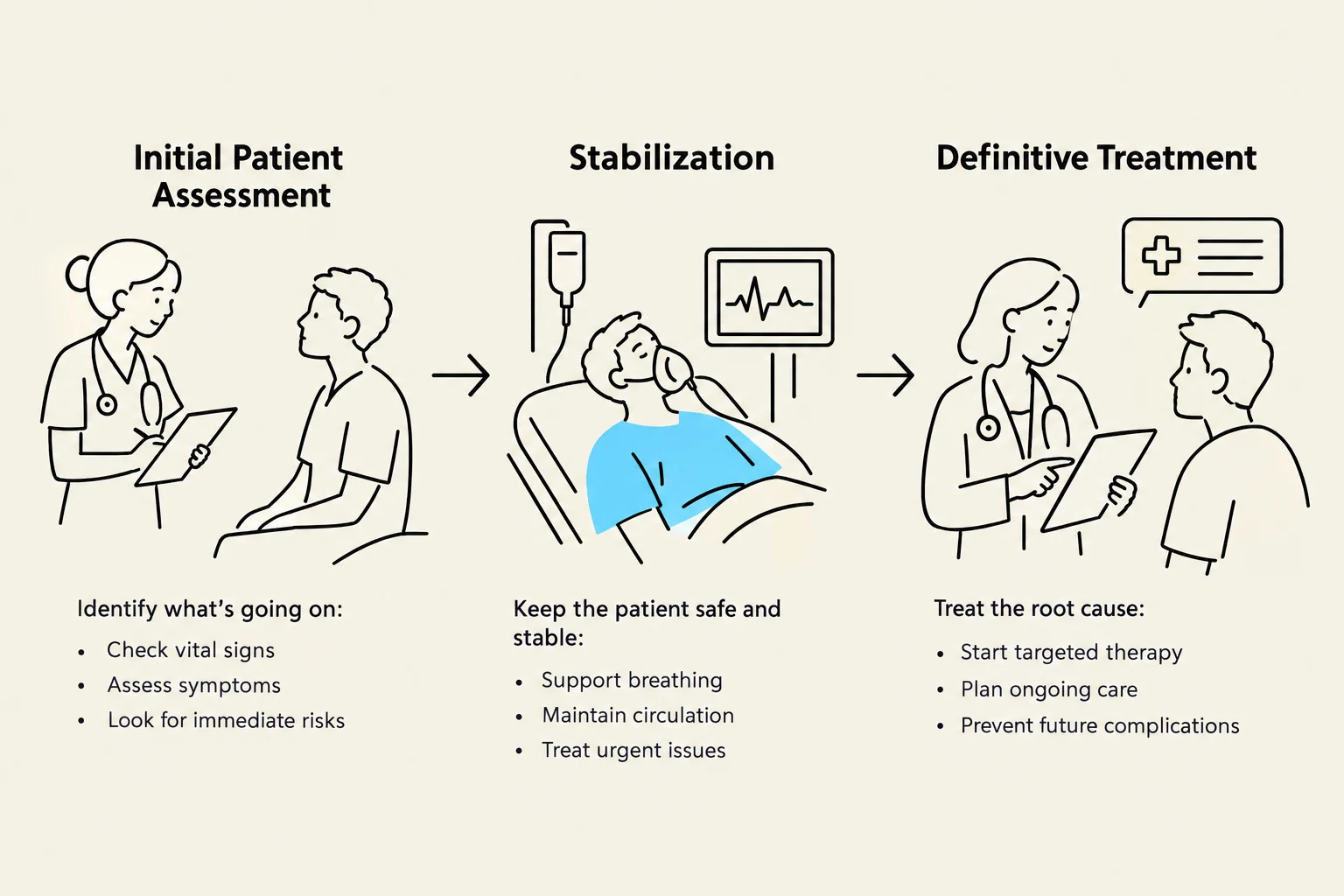
In an acute care environment, the clinical focus shifts from long-term management to immediate intervention. When a patient presents with an acquired condition—such as sepsis, respiratory failure, or acute myocardial infarction—the healthcare team must operate within a high-stakes framework.
The three pillars of acute care management are:
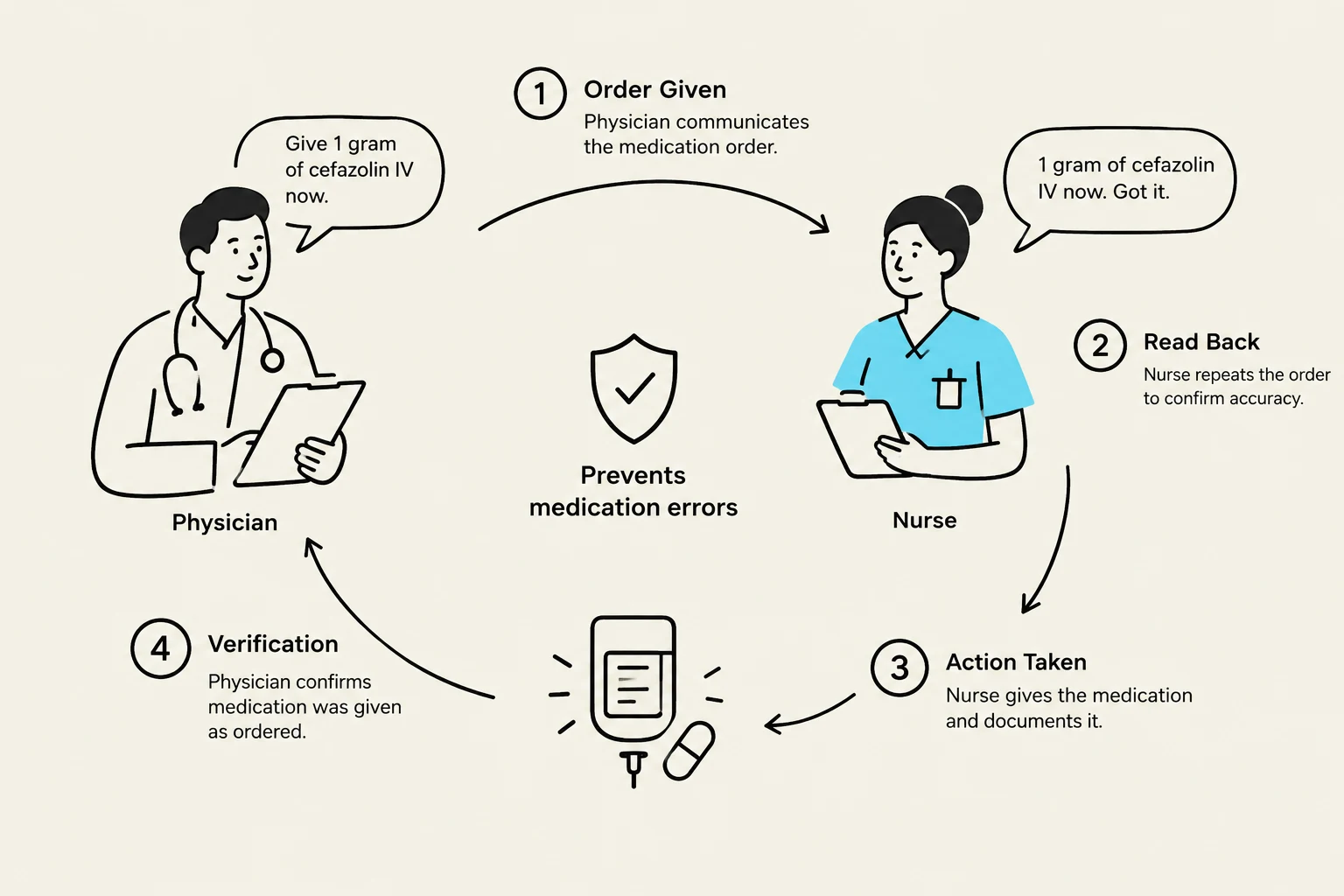
- Safety: Implementing protocols to prevent secondary harm (e.g., medication errors, falls, or hospital-acquired infections).
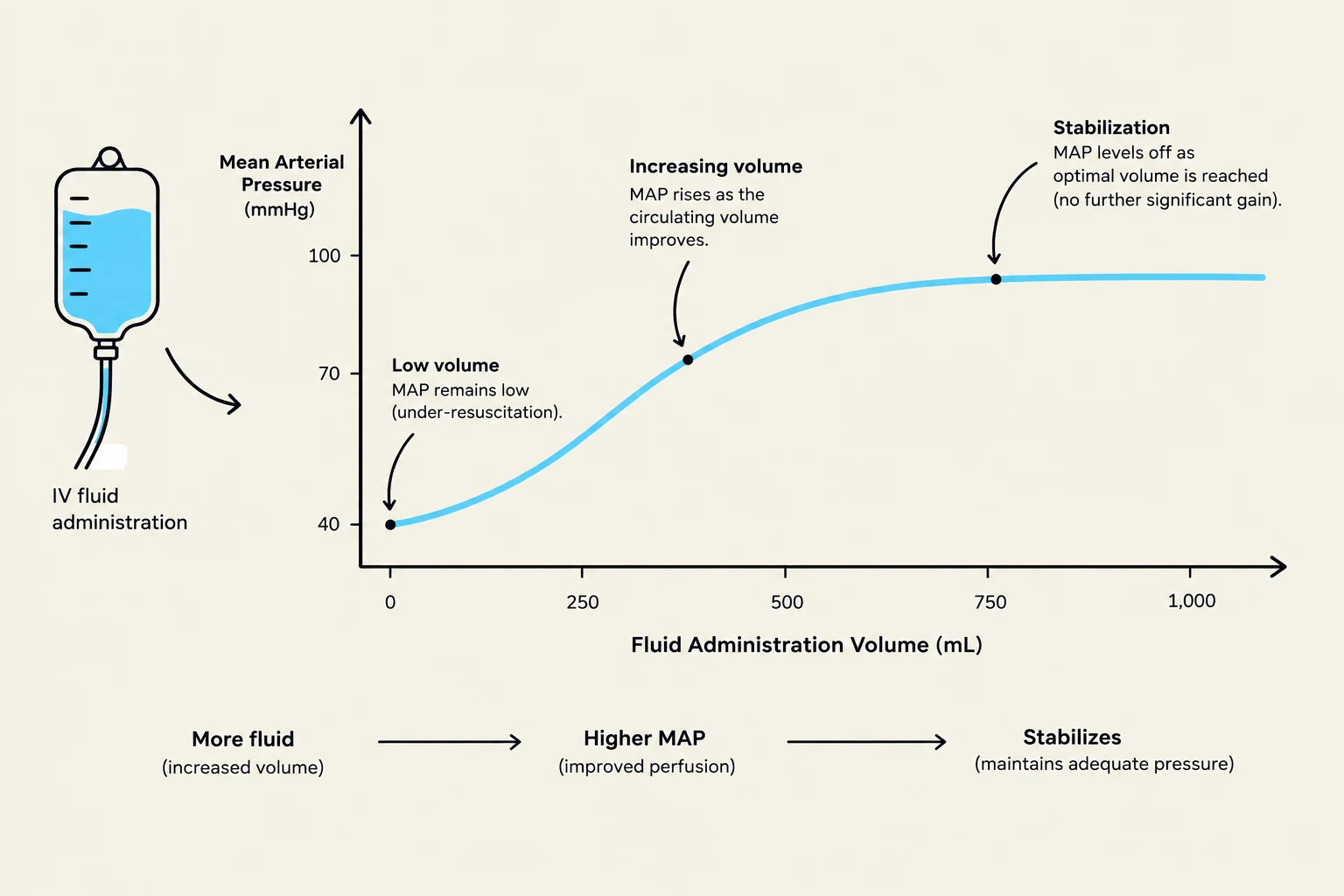
- Stabilization: Using interventions to bring vital signs and physiological parameters back toward a baseline or a safe threshold.
- Rapid Decision-Making: Processing incoming data (labs, vitals, physical assessment) to choose the correct course of action in seconds or minutes.
Exam Tip: When presented with a clinical scenario, always prioritize "Airway, Breathing, and Circulation" (the ABCs). Stabilization cannot occur if the patient's airway is compromised, regardless of other symptoms.
Safety and Risk Mitigation
Safety in a hospital setting is not merely about avoiding mistakes; it is about building systems that catch errors before they reach the patient. In acute care, the speed of intervention can sometimes conflict with the need for meticulous verification. This creates a "tension" that clinicians must manage through standardized protocols.
Keep reading for free.
Create an account to finish this reading and make it part of your study routine.
Continue reading freeAlready have an account? Log in
Updated