


Systemic Lupus Erythematosus (SLE) is a complex autoimmune disease characterized by the loss of self-tolerance, leading to the production of autoantibodies and widespread inflammation. Because the pathogenesis involves multiple pathways—including B-cell hyperactivity, DNA damage, and uncontrolled lymphocyte proliferation—treatment strategies must be tailored to the severity and specific manifestations of the disease. This article explores three critical pharmacological interventions: Cyclophosphamide, Azathioprine, and Belimumab, focusing on their unique mechanisms of action and their roles in managing lupus.
Cytotoxic Approaches: Cyclophosphamide and DNA Damage
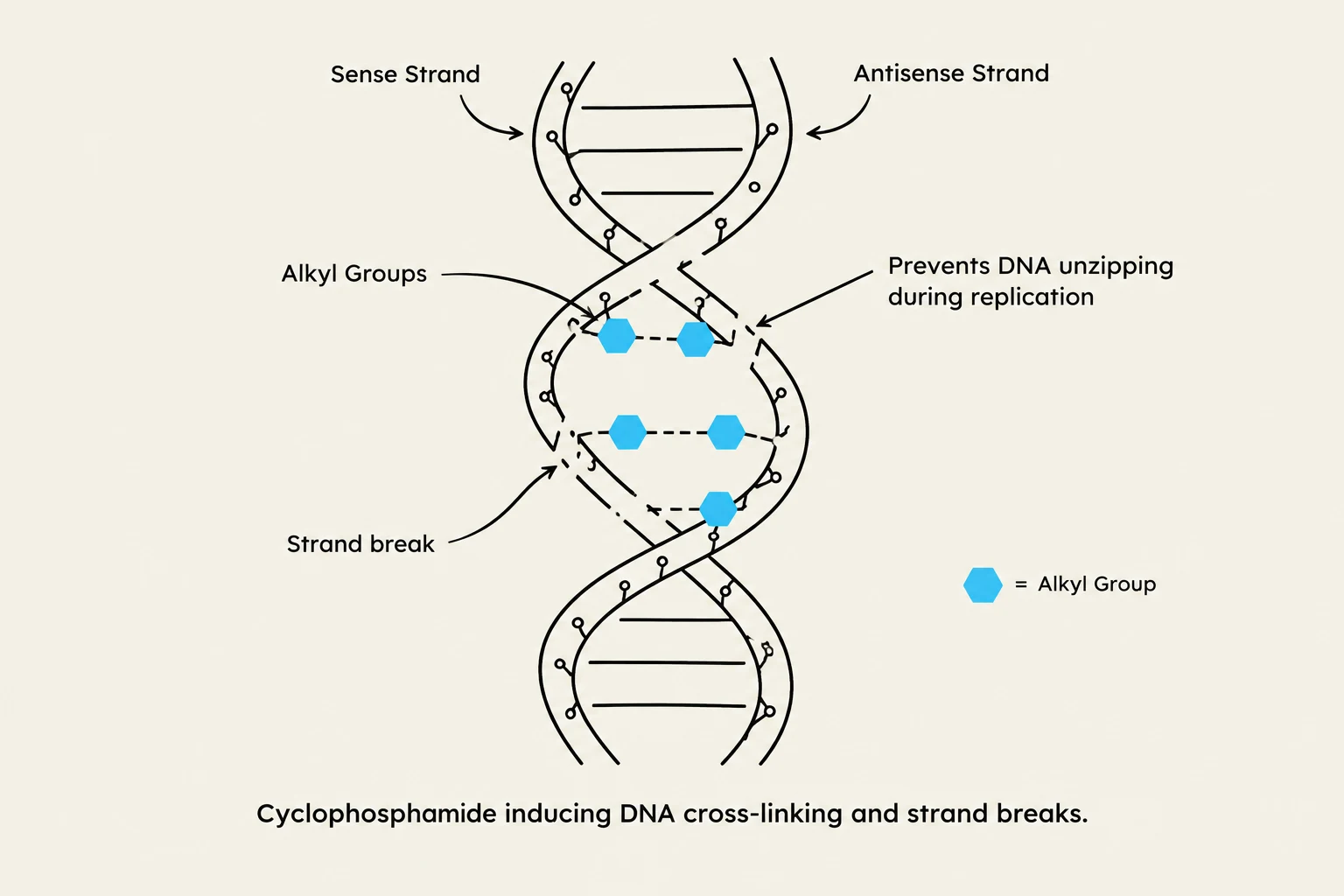
Mechanism of Action
The primary mechanism of Cyclophosphamide involves the creation of covalent bonds between DNA strands. Specifically, it acts as a prodrug that must be metabolized in the liver to become active. Once activated, it produces alkyl groups that attach to the guanine bases of DNA. This results in:
- DNA Cross-linking: The formation of interstrand cross-links that prevent the DNA double helix from unzipping during replication.
- Strand Breaks: Direct damage to the sugar-phosphate backbone of the DNA molecule.
When a lymphocyte attempts to replicate its DNA to proliferate, these structural abnormalities trigger apoptotic pathways, effectively reducing the population of the overactive immune cells driving the lupus flare.
Exam Tip: When studying Cyclophosphamide, remember its "heavy-duty" nature. It is typically reserved for severe disease due to its high toxicity profile, which includes risks of bone marrow suppression and hemorrhagic cystitis.
Keep reading for free.
Create an account to finish this reading and make it part of your study routine.
Continue reading freeAlready have an account? Log in
Updated