


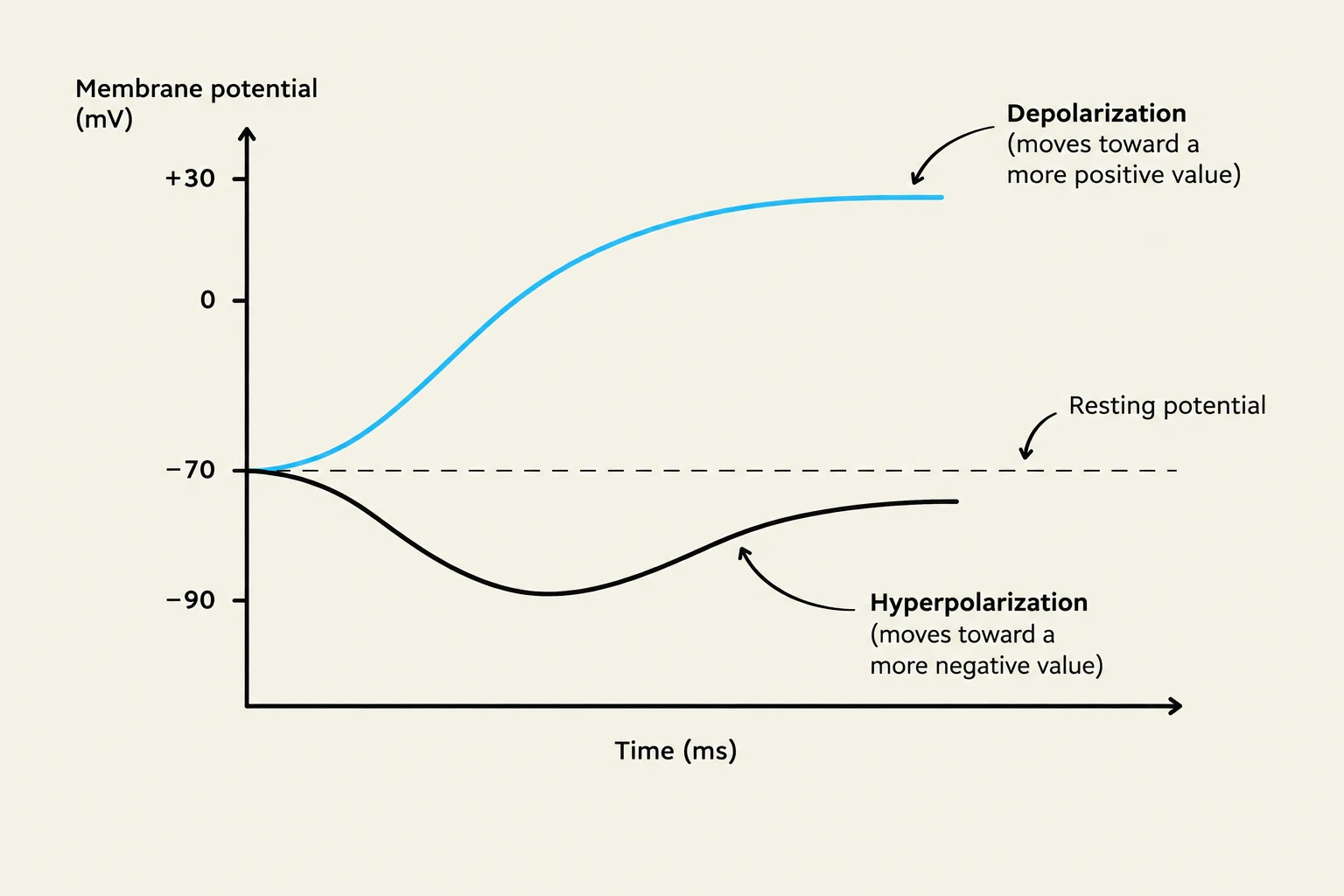
In the study of excitable cells, such as neurons and skeletal muscle cells, understanding how electrical signals are generated is fundamental. While action potentials are the famous "all-or-none" signals that travel long distances, they do not start in a vacuum. Instead, they are preceded by smaller, localized electrical shifts known as graded potentials. These potentials serve as the cell's way of "measuring" incoming information and deciding whether or not to trigger a full-scale electrical impulse.
The Nature of Chemically Gated Channels
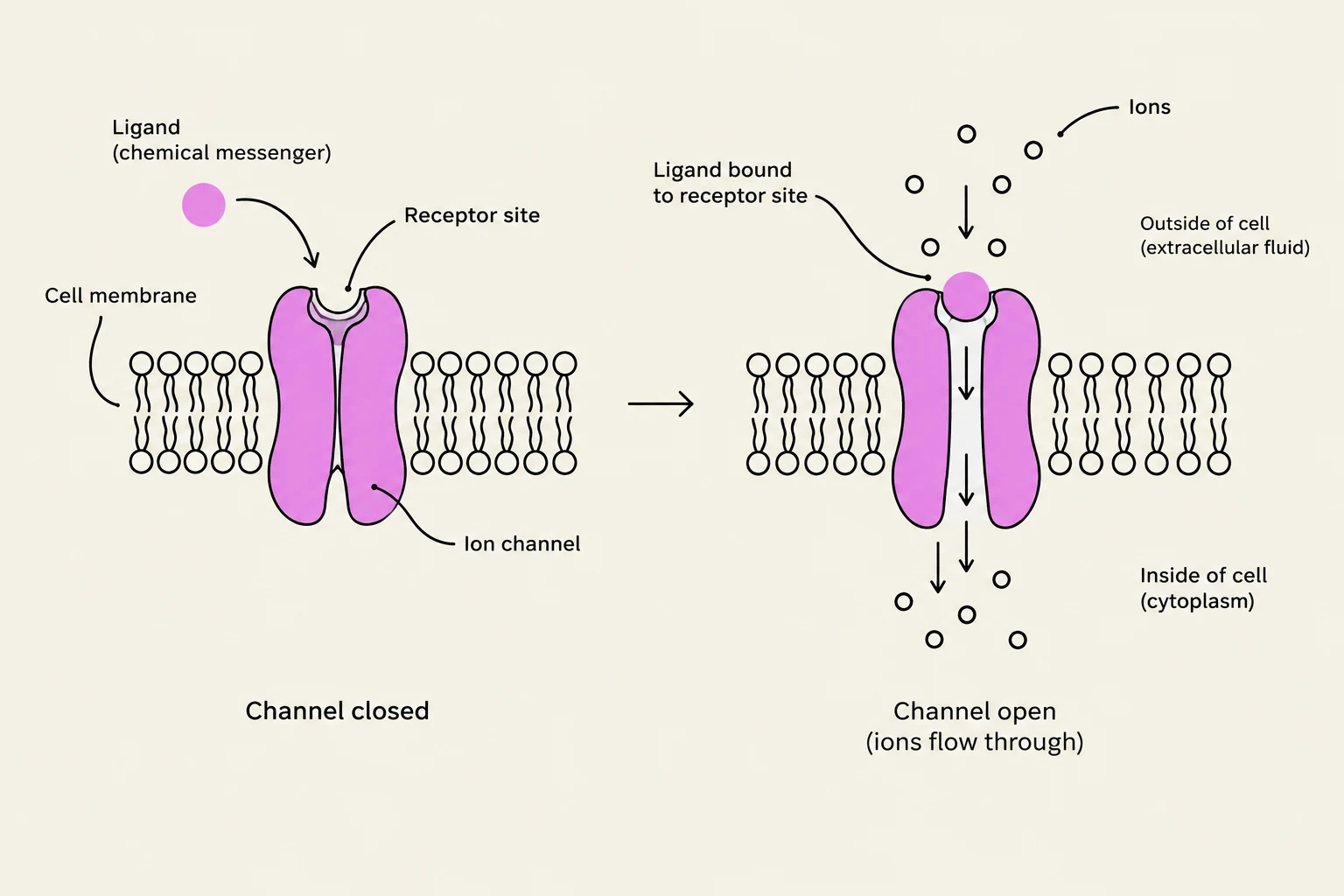
To understand graded potentials, we must first distinguish between the different types of ion channels found in a cell membrane. While voltage-gated channels open in response to changes in the electrical charge (membrane potential) of the membrane, graded potentials are produced by chemically gated ion channels.
Chemically gated channels are unique because they require a specific chemical messenger, known as a ligand, to bind to a receptor on the channel to trigger its opening. Think of the ligand as a key and the receptor as a lock; unless the specific chemical "key" is present to bind to the "lock," the channel remains closed, regardless of the electrical state of the cell. Each of these channels acts independently; the opening of one channel does not automatically cause its neighbor to open.
Keep reading for free.
Create an account to finish this reading and make it part of your study routine.
Continue reading freeAlready have an account? Log in
Updated