


Maternal infections represent a critical category of pregnancy complications that require vigilant nursing assessment and timely intervention. When a pregnant person contracts an infection, the risks extend far beyond the individual; the developing fetus is highly vulnerable to vertical transmission. These infections can lead to severe outcomes, including prematurity, intrauterine growth restriction (IUGR), low birth weight, and even neonatal death.
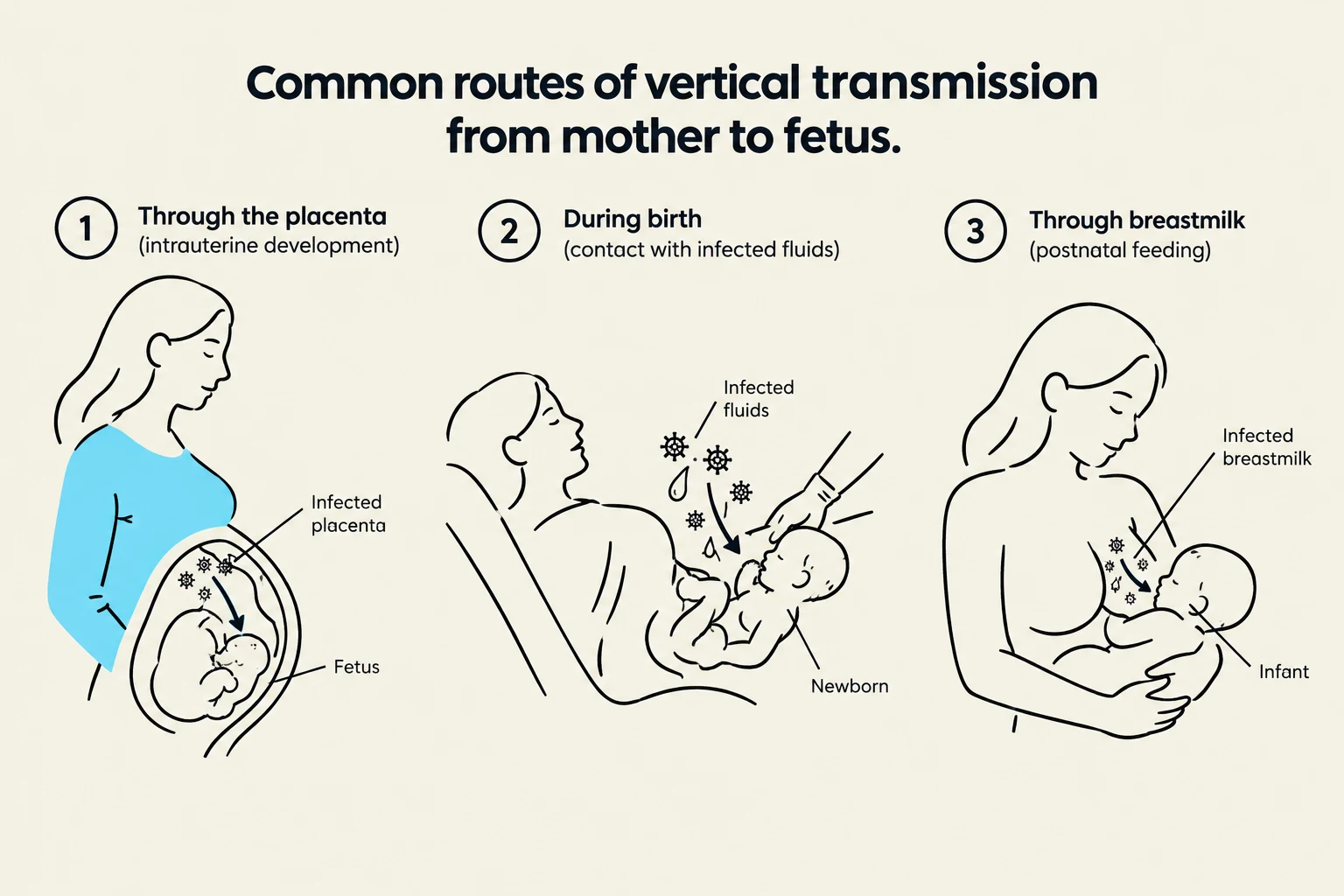
To provide safe care, nurses must distinguish between various types of pathogens, including bloodborne viruses, sexually transmitted infections (STIs), and the complex group of infections known as the TORCH complex.
HIV and Perinatal Transmission Risk
Human Immunodeficiency Virus (HIV) is a retrovirus that causes chronic infection and immunodeficiency. In the context of pregnancy, the virus can be transmitted to the fetus via the placenta or through breastmilk. Without intervention, this can lead to prematurity, IUGR, and a high rate of early-manifestation AIDS in the infant.
However, modern medical management has drastically reduced these risks. With appropriate Antiretroviral Therapy (ART), the risk of transmission can drop from approximately 35% to less than 1%.
Nursing Management Tip: To minimize transmission, ensure the client adheres to daily oral ART starting at 14 weeks gestation. During labor, intravenous (IV) ART is administered. Additionally, nurses must provide education regarding the avoidance of breastfeeding to prevent postnatal transmission.
Group B Streptococcus (GBS)
Group B Streptococcus is a gram-positive bacterium that occurs naturally in the gastrointestinal or genitourinary tracts of about 50% of adults. While often asymptomatic or mild in the parent, it can cause life-threatening sepsis, meningitis, and pneumonia in the neonate.
Keep reading for free.
Create an account to finish this reading and make it part of your study routine.
Continue reading freeAlready have an account? Log in
Updated