


In the fast-paced environment of healthcare, nurses are constantly faced with multiple competing demands. Deciding which patient to see first, which task to perform immediately, or which assessment finding requires urgent escalation is the essence of clinical judgment. To navigate these decisions safely, nurses rely on structured frameworks that move beyond simple intuition, focusing instead on physiological stability, safety, and the systematic application of the nursing process.
The Foundation: The Nursing Process (AADPIE)
Before you can prioritize, you must understand the cyclical nature of the nursing process, often referred to as AADPIE. This framework ensures that care is organized and that decisions are based on data rather than assumptions.
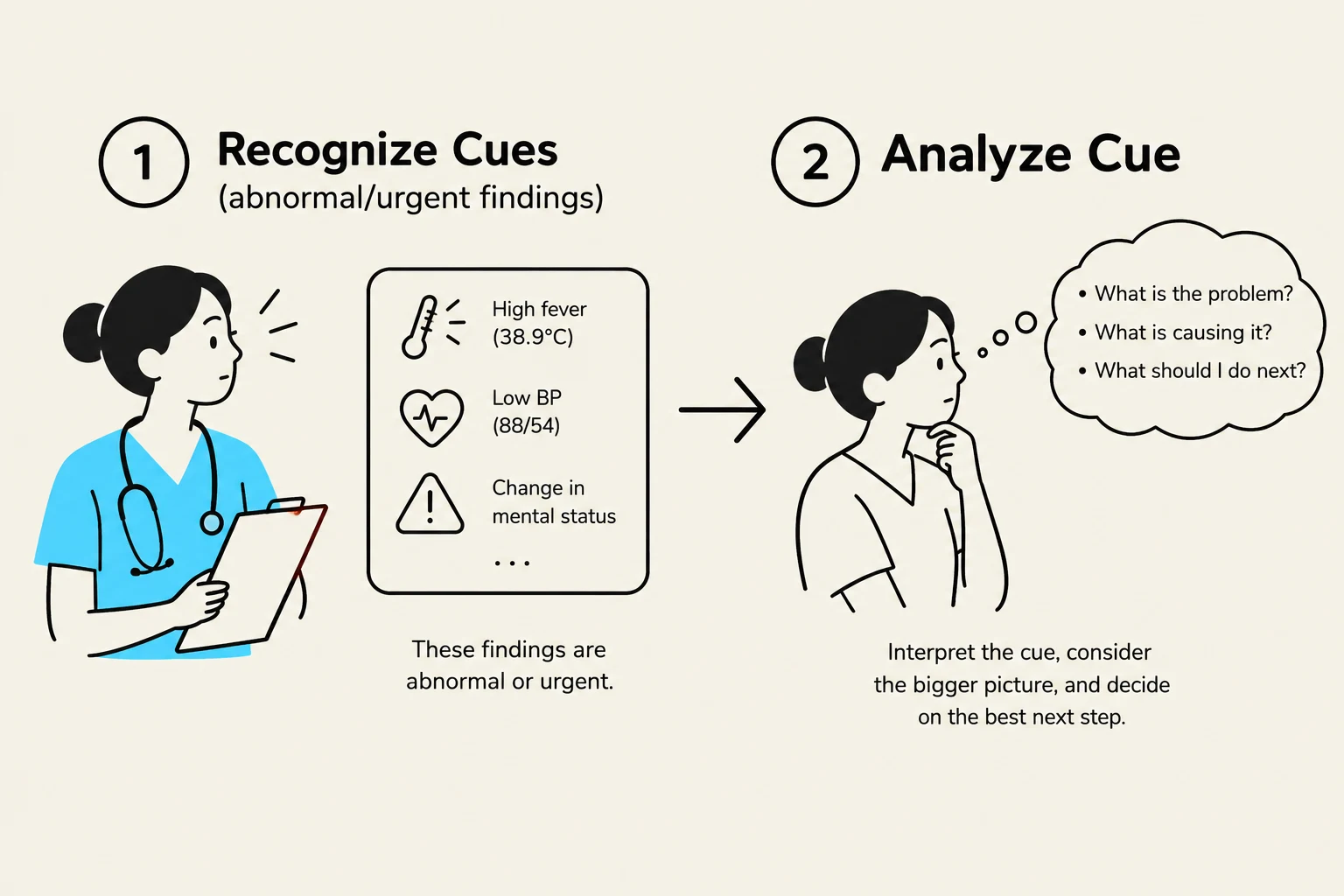
- Assessment: Collecting subjective data (what the client reports, such as "I feel dizzy") and objective data (what you observe, such as a visible rash).
- Analysis/Diagnosis: Identifying human responses to health conditions and prioritizing those needs.
- Planning: Setting SMART goals (Specific, Measurable, Achievable, Relevant, and Time-limited).
- Implementation: Carrying out the planned interventions safely.
- Evaluation: Determining if the interventions worked and deciding whether to continue, revise, or stop the plan.
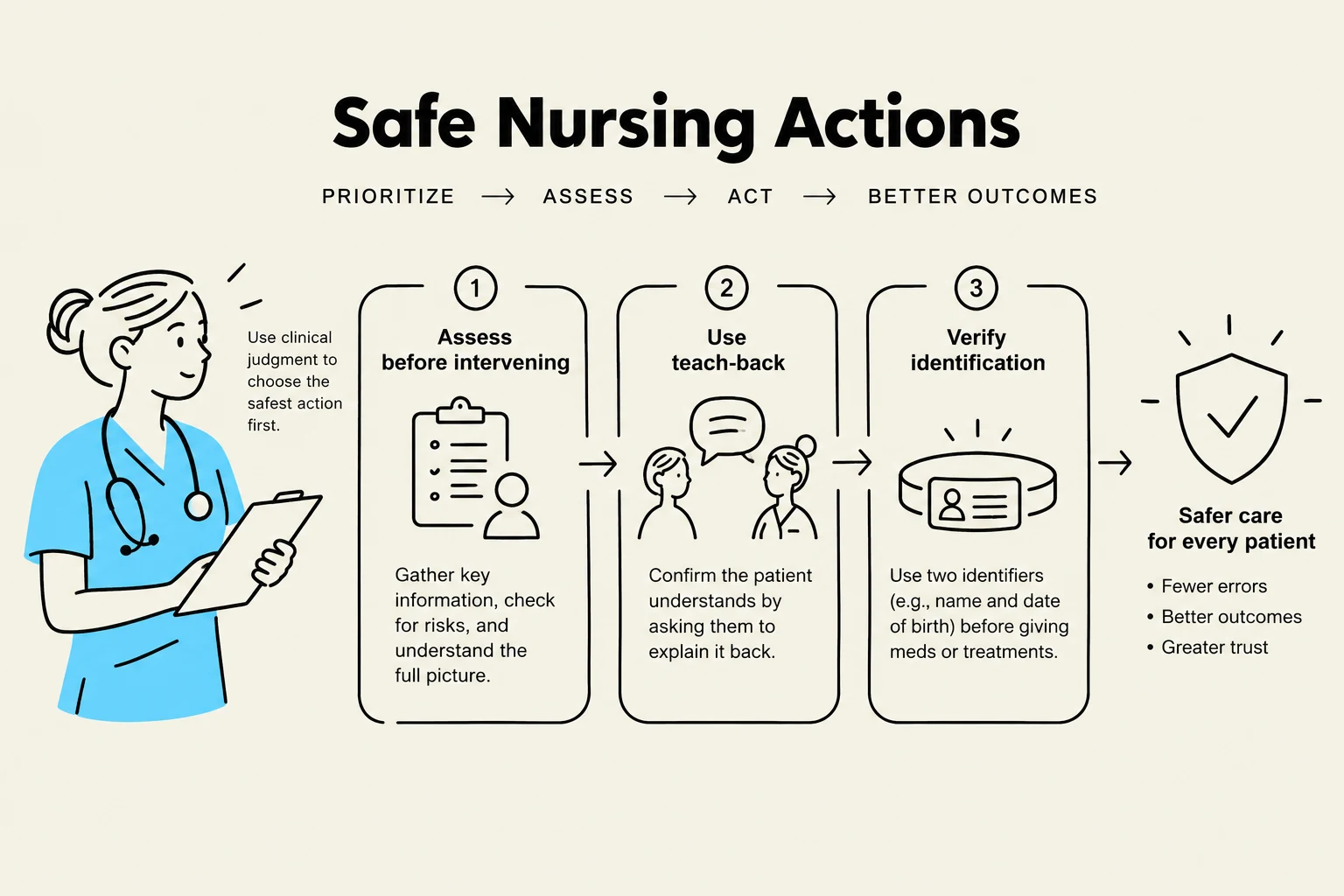
Exam Tip: When a question asks "What should the nurse do first?", always look for the step that addresses the most immediate threat. While assessment is vital, do not delay emergency life-saving actions to collect routine data.
The Hierarchy of Needs: Maslow and ABCs
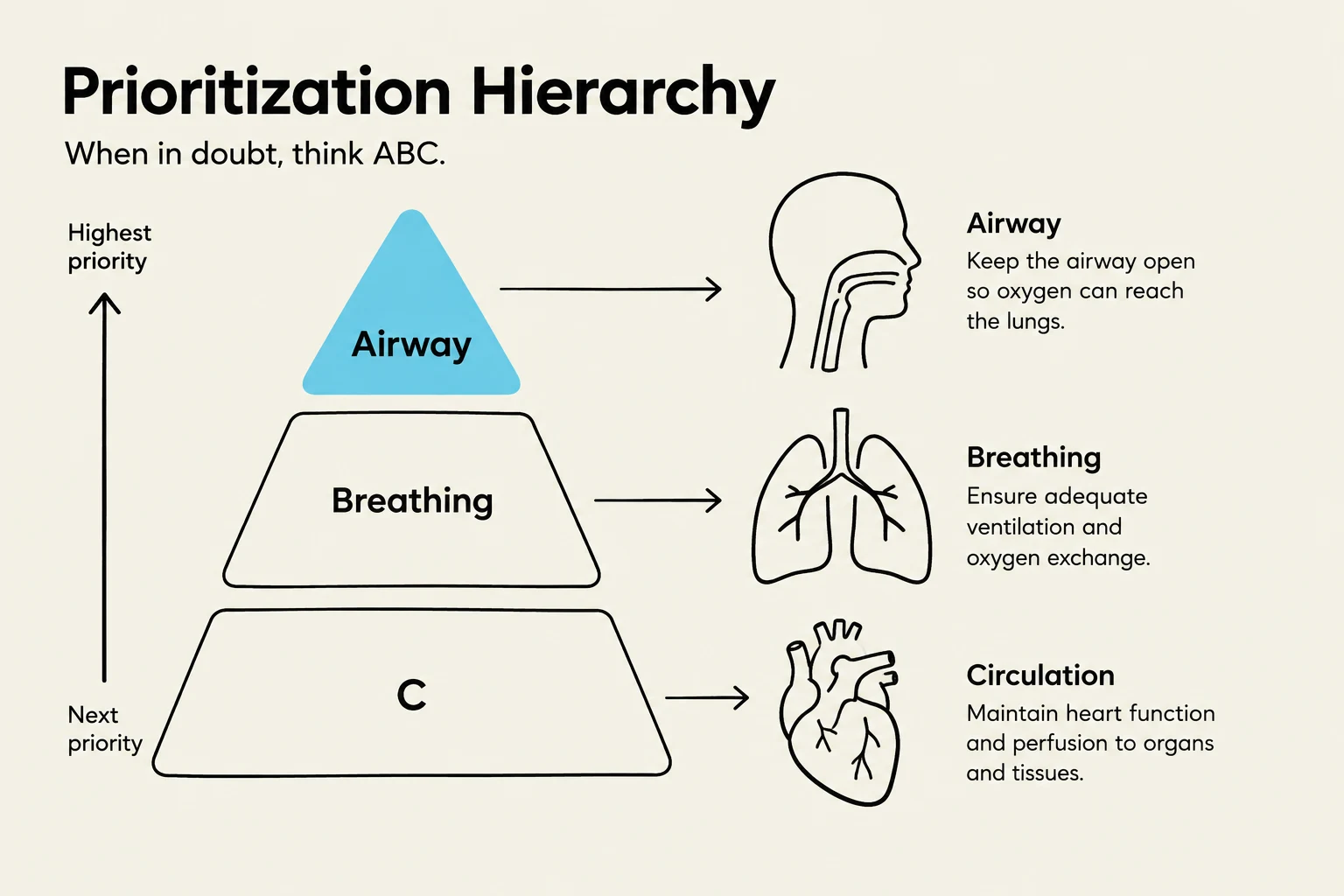
When multiple patients require attention, nurses use established hierarchies to rank urgency. One of the most common frameworks is Maslow’s Hierarchy of Needs, which suggests that foundational physiological needs must be met before higher-level needs like esteem or self-actualization.
Keep reading for free.
Create an account to finish this reading and make it part of your study routine.
Continue reading freeAlready have an account? Log in
Updated