


Success in marketing is rarely the result of luck; rather, it is the product of meticulous planning and a deep understanding of how to create value. For students preparing for a midterm, mastering the transition from high-level business goals to specific tactical executions is essential. This article explores the foundational framework of marketing planning, moving from the philosophy of value-based marketing through the rigorous steps of situation analysis and strategic implementation.
The Foundation: Value-Based Marketing
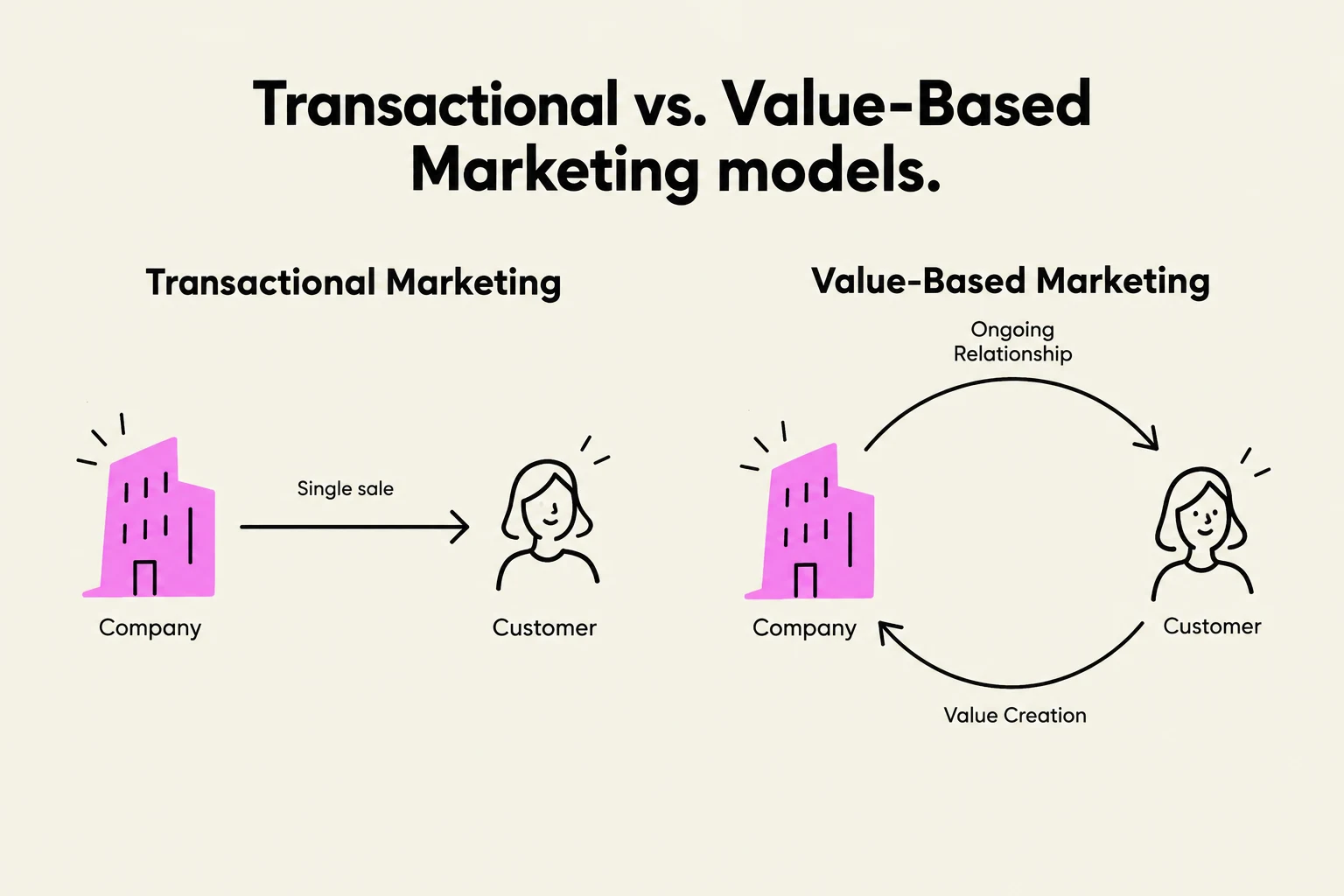
At the heart of modern marketing lies the concept of Value-Based Marketing. Unlike older models that focused on one-off transactions, value-based marketing seeks to maximize the benefits provided to customers while simultaneously meeting the company's business goals.
To truly master this concept, a business must adhere to several core principles:
- Long-term Focus: The goal is not just a single sale, but building lasting Customer Satisfaction.
- Relationship Building: Marketers should think in terms of ongoing connections rather than isolated transactions.
- Stakeholder Inclusion: Value should be created for all stakeholders, going beyond just the immediate consumer.
- Adaptability: Strategies must evolve over time to keep pace with changing customer needs.
Exam Tip: If a question asks about the difference between transactional and value-based marketing, focus on the "relationship" aspect. Value-based marketing is about the long-term lifecycle of the customer.
The Marketing Plan: A Five-Step Process
A marketing plan is a roadmap that guides a company from its initial vision to its final results. This process is generally broken down into five distinct steps:

Keep reading for free.
Create an account to finish this reading and make it part of your study routine.
Continue reading freeAlready have an account? Log in
Updated