


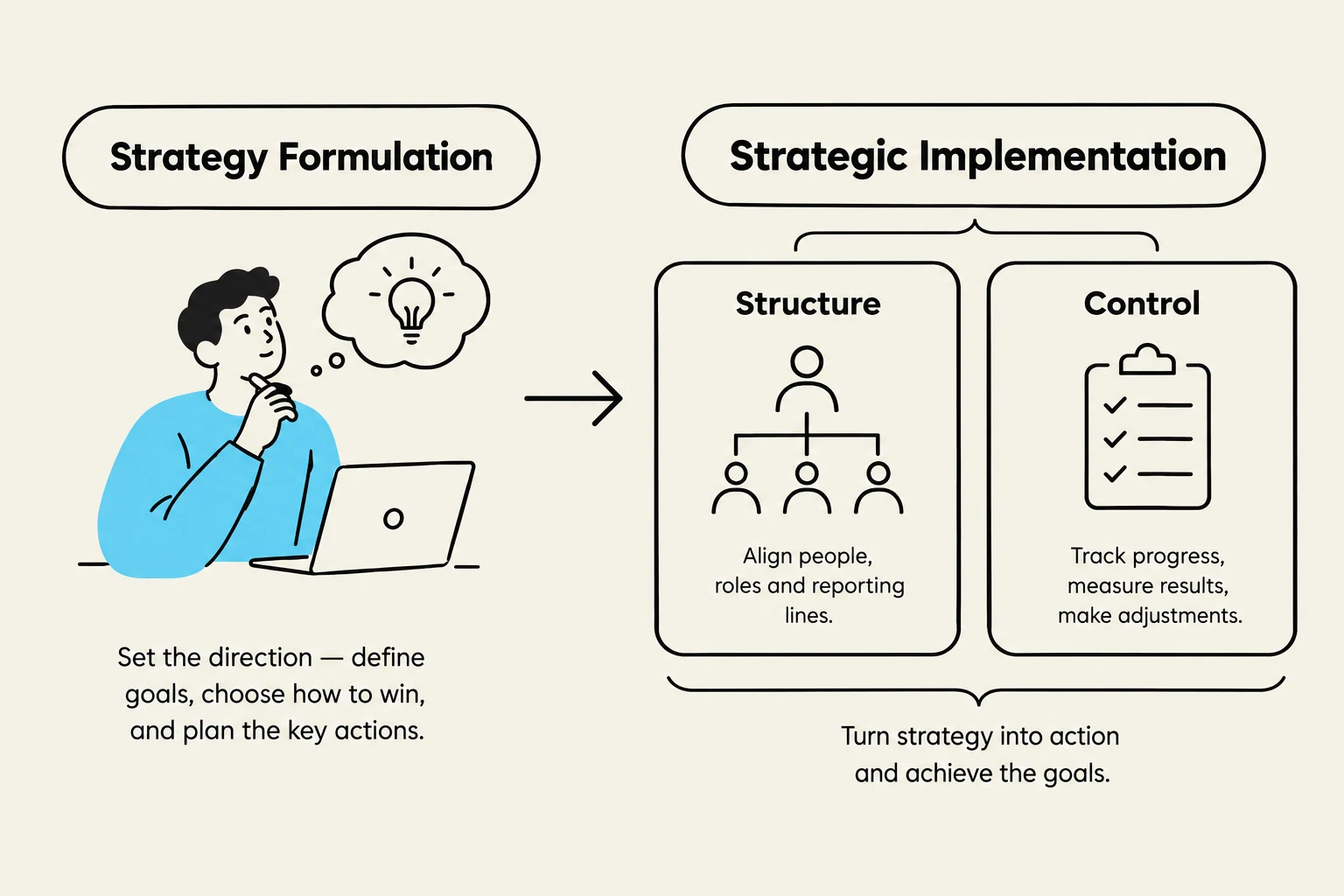
In the complex landscape of strategic implementation, an organization is only as good as its ability to execute its vision. While strategy formulation sets the direction, the actual success of a firm depends on how it influences the behavior of its people. This is where managerial incentives and compensation systems become vital. These systems are designed to ensure that as individuals work toward their own professional and financial goals, they are simultaneously driving the organization toward its long-term objectives.
The Agency Problem: Costs of Alignment
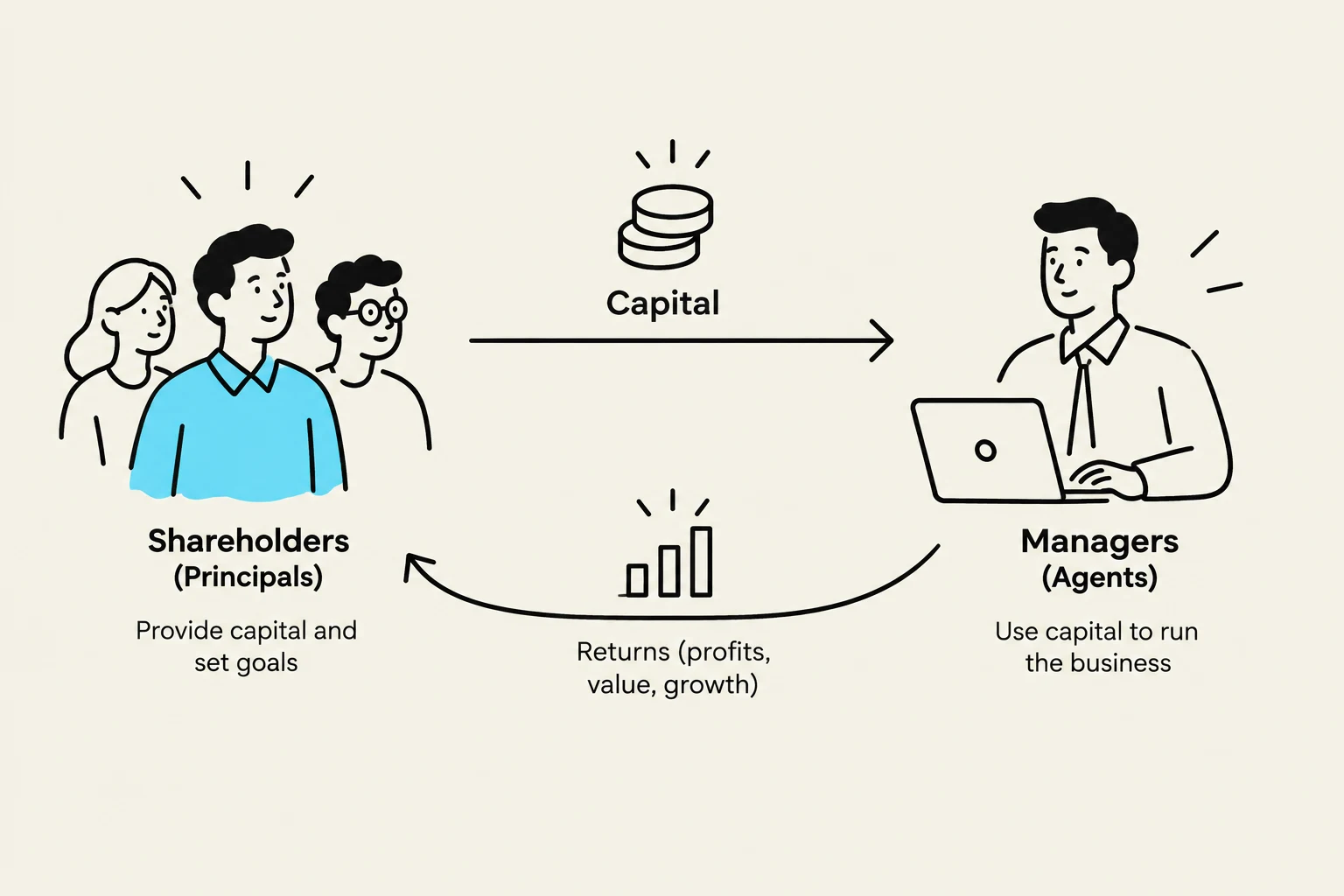
At the heart of compensation design is the concept of agency costs. In large, complex organizations, it is difficult to ensure that every manager—who may be just one of thousands of faces—acts in the absolute best interest of the shareholders. This creates a gap between the owners (shareholders) and the agents (managers).
To bridge this gap, firms incur two primary types of agency costs:
- Cost of Monitoring: The expense of implementing control systems to oversee manager actions and ensure they are following the prescribed strategy.
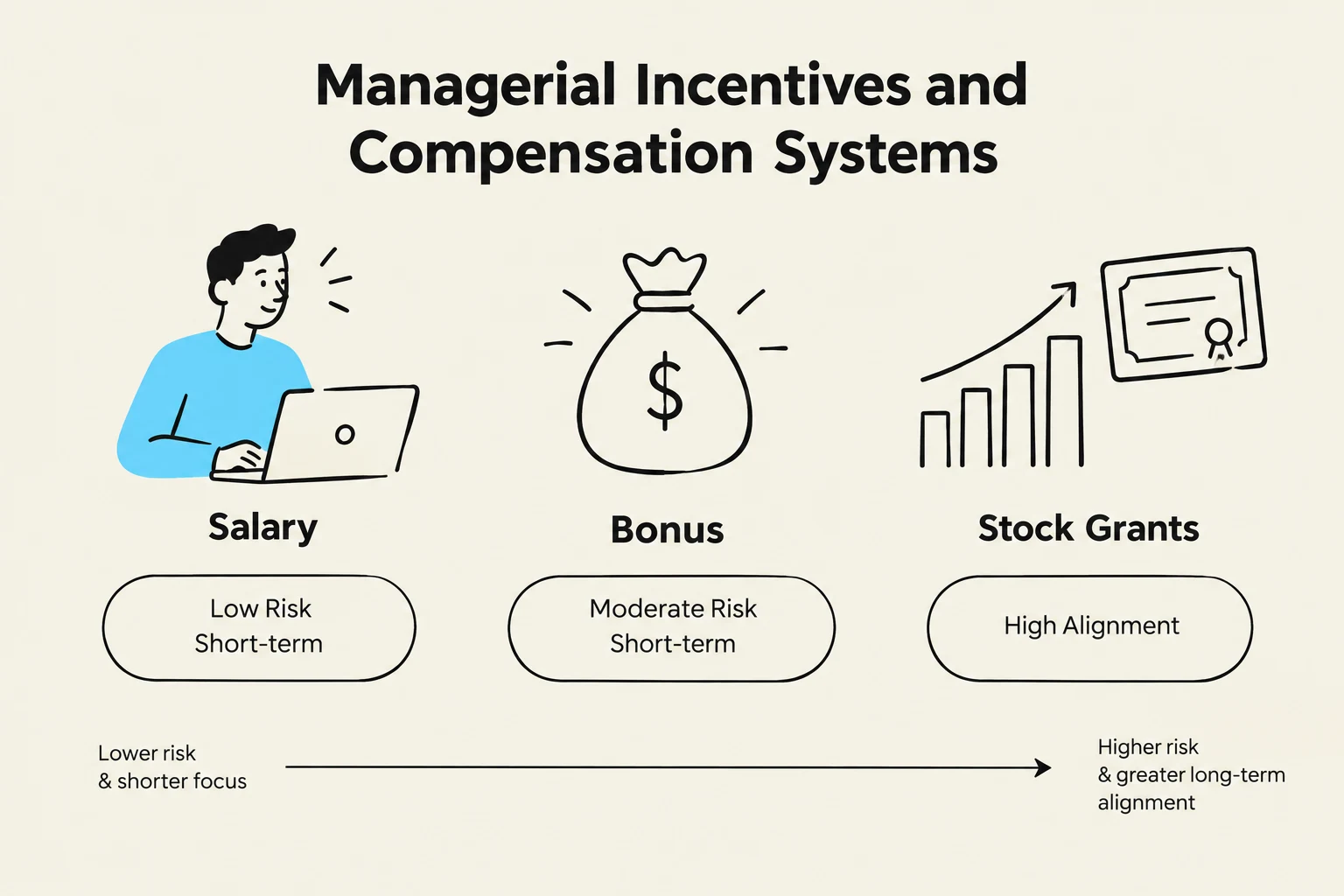
- Cost of Incentives: The expense of designing and paying out reward systems that motivate managers to perform effectively.
The ultimate goal of these costs is the alignment of interests, ensuring that what is good for the manager is also good for the company.
Perverse Incentives and the Trap of Short-Termism
Even well-intentioned compensation policies can fail if they are poorly designed. This leads to perverse incentives, often described as "the folly of rewarding A while hoping for B." A classic example is providing smoke breaks to employees; while intended to provide a rest, it may inadvertently encourage employees to continue smoking rather than quitting.
Keep reading for free.
Create an account to finish this reading and make it part of your study routine.
Continue reading freeAlready have an account? Log in
Updated