


The upper gastrointestinal tract, encompassing the oral cavity and the esophagus, plays a critical role in nutrition and physiological homeostasis. Disorders in this region range from benign reflux conditions to life-threatening malignancies. For nursing professionals, management requires a multifaceted approach involving precise diagnostic monitoring, complex surgical recovery care, and intensive nutritional support.
Oral and Esophageal Cancers
Malignancies of the oral cavity and esophagus are often diagnosed at advanced stages. Understanding the distinction between the two primary types of carcinoma is essential for clinical assessment.
Squamous Cell Carcinomas
These are frequently associated with risk factors such as tobacco/nicotine use, alcohol consumption, and HPV infection. Clinical manifestations often include a painless sore that bleeds easily and does not heal, white patches in the mouth, tenderness, difficulty chewing, swallowing, or speaking, and enlarged lymph nodes.
Adenocarcinoma
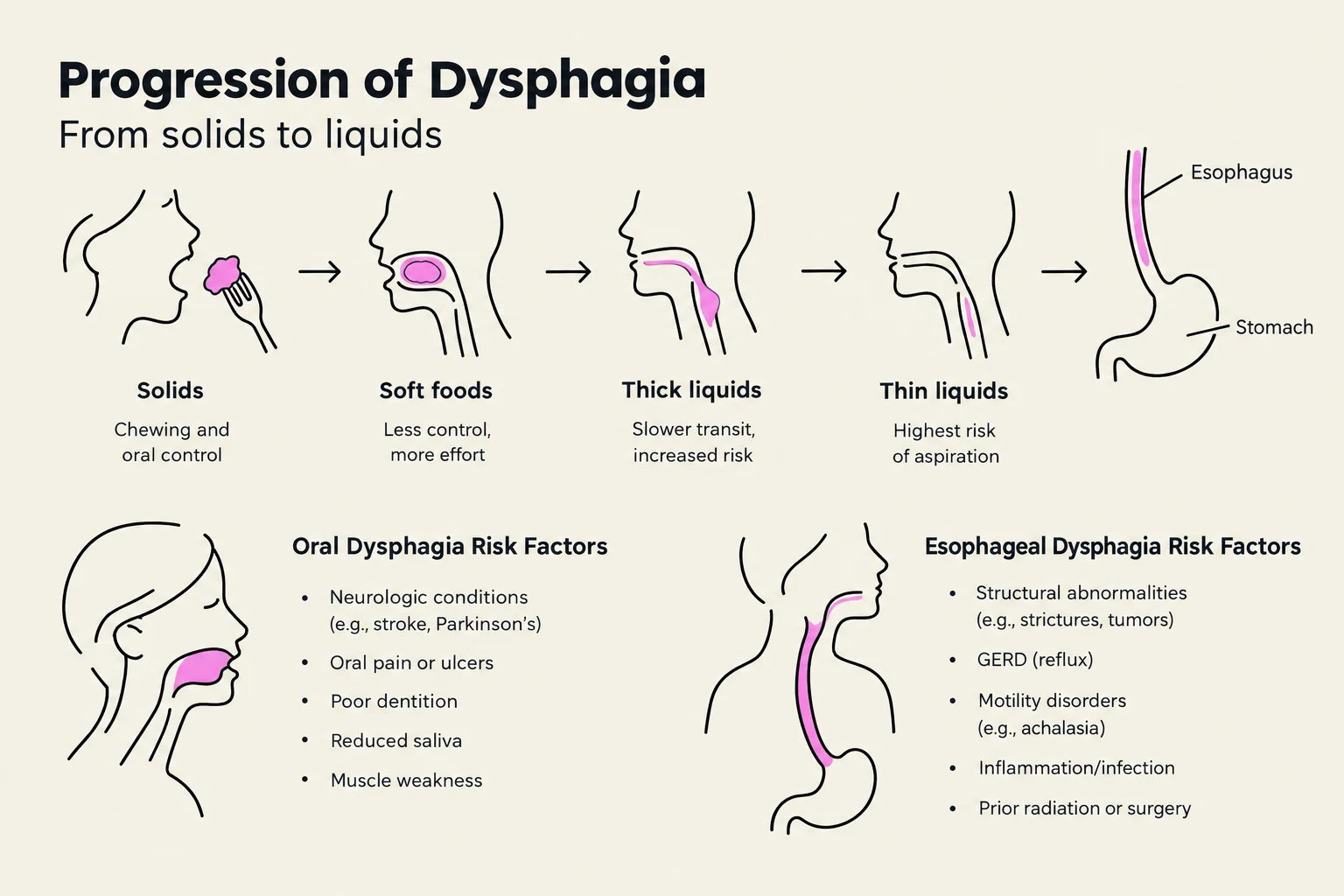
Esophageal adenocarcinoma is more closely linked to chronic gastroesophageal reflux disease (GERD). Patients often present with dysphagia (difficulty swallowing), initially with solids and progressing to liquids. Other symptoms include a sensation of a mass in the throat, painful swallowing, regurgitation, halitosis, and hiccups.
Nursing Tip: When assessing a patient with suspected esophageal cancer, prioritize the assessment of weight loss and nutritional status, as these are common early indicators of advanced disease.
Gastroesophageal Reflux Disease (GERD) and Complications
GERD occurs when stomach acid flows back into the esophagus, causing irritation.
Clinical Manifestations
Common symptoms include a burning sensation in the chest (heartburn), regurgitation of sour liquid, a sour taste in the mouth, and difficulty swallowing. Patients may also experience a dry cough, sore throat, or a sensation of a "lump" in the throat.
Keep reading for free.
Create an account to finish this reading and make it part of your study routine.
Continue reading freeAlready have an account? Log in
Updated