


Management is a dynamic and continuous process that involves coordinating resources to achieve specific organizational goals. To be successful, a manager must balance two critical concepts: efficiency and effectiveness. Efficiency refers to performing activities using the fewest possible resources (doing things right), while effectiveness ensures that the right activities are being performed to contribute to the organization's ultimate success (doing the right things).
To achieve this balance, managers rely on four interrelated functions: planning, organizing, leading, and controlling.
The Four Functions of Management
1. Planning
Planning is the foundational function where managers establish the organization's direction. This process begins with strategic planning, which sets the long-term course of action for the entire organization.
Strategic planning is guided by two essential components:
- Mission Statement: A formal summary that defines the organization's purpose.
- Core Values: The fundamental principles that guide the behavior and decision-making of everyone within the company.
To navigate the complexities of the business environment, managers often perform a SWOT analysis to identify internal Strengths and Weaknesses, as well as external Opportunities and Threats.
Once the broad strategy is set, it is broken down into more specific levels:
- Tactical Plans: These allocate resources over specific time periods to implement the strategic plan.
- Operational Plans: These provide the detailed, day-to-day action steps required to execute tasks.
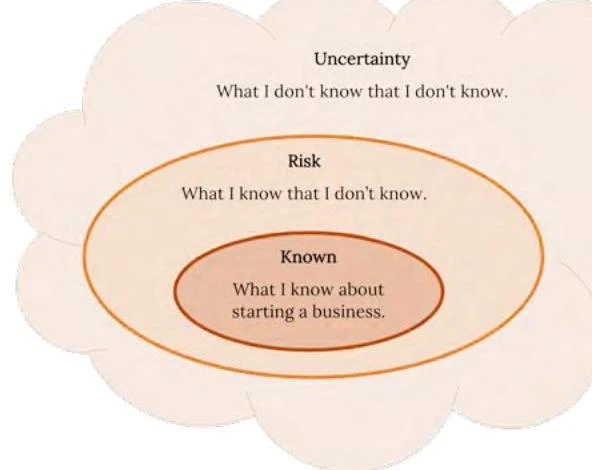
Because the future is never certain, managers must also engage in contingency planning to prepare for anticipated changes and crisis management to handle immediate, unexpected emergencies.

Keep reading for free.
Create an account to finish this reading and make it part of your study routine.
Continue reading freeAlready have an account? Log in
Updated