


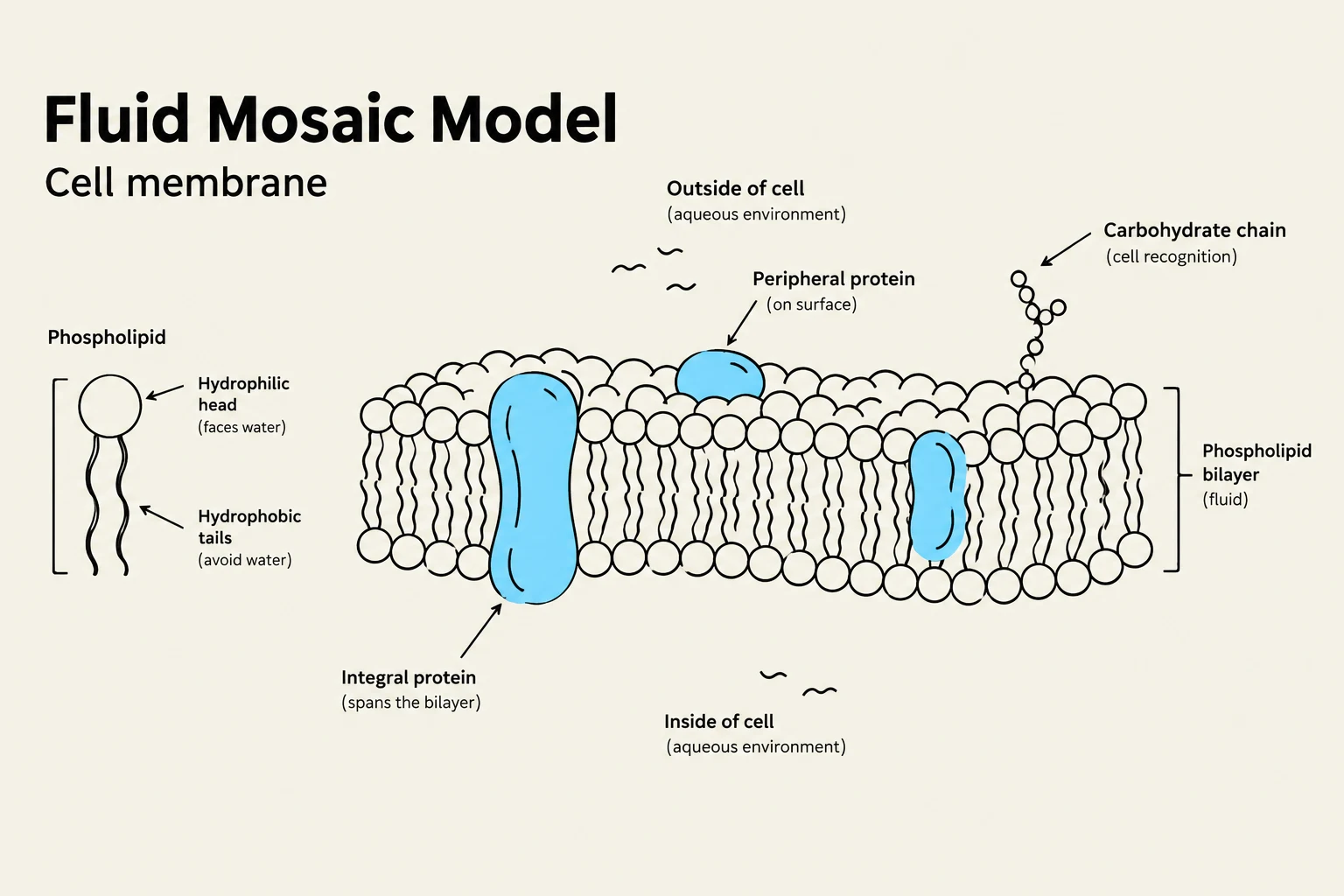
When we discuss nutrition, we often focus on carbohydrates for quick energy or proteins for muscle building. However, lipids—commonly known as fats—play an equally vital role in human health. While they are often discussed in the context of weight management, lipids are diverse biological molecules that serve as essential components of our cell membranes, regulators of our hormones, and long-term storage units for energy. The defining characteristic of all lipids is that they are insoluble in water.
The Building Blocks: Triglycerides
The most common type of lipid found in the human diet is the triglyceride. Triglycerides are used by the body for energy storage, insulation (such as subcutaneous fat), and various structural roles.
Structurally, every triglyceride is composed of two distinct parts: one glycerol molecule and three fatty acid chains. The way these fatty acid chains are constructed determines whether the lipid is a solid fat or a liquid oil.

Saturated vs. Unsaturated Fatty Acids
The distinction between "healthy" and "unhealthy" fats often comes down to the chemical bonds within the fatty acid chains.
- Saturated Fatty Acids: These contain only single bonds between carbon atoms. Because they have the maximum number of hydrogen atoms possible, their chains are straight and can pack together tightly, making them solid at room temperature. These are primarily found in animal sources like lard, butter, and beef fat.
- Unsaturated Fatty Acids: These contain one or more double bonds. These double bonds create "kinks" in the chain, preventing the molecules from packing tightly, which results in a liquid state at room temperature.
Keep reading for free.
Create an account to finish this reading and make it part of your study routine.
Continue reading freeAlready have an account? Log in
Updated