


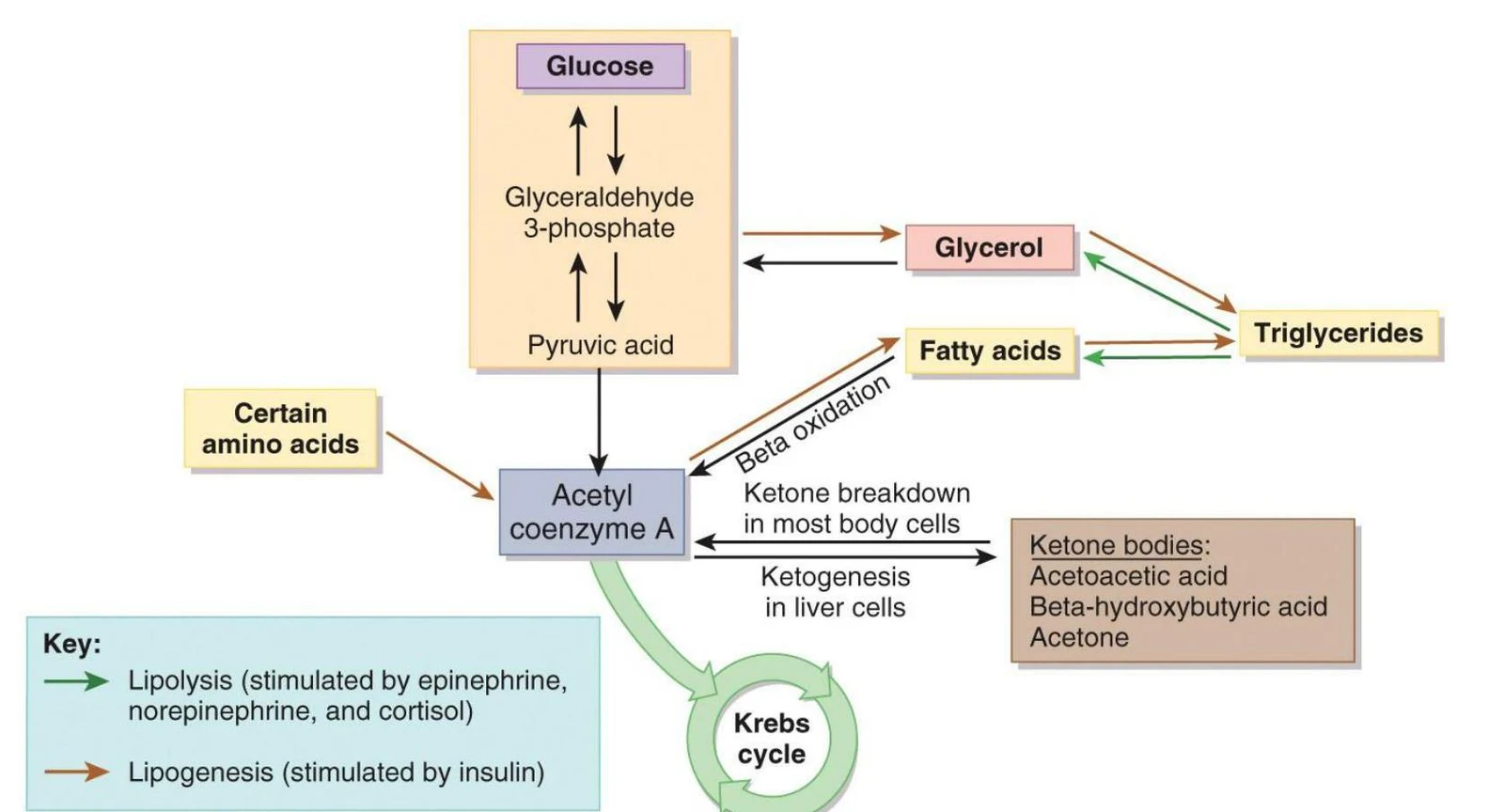
Lipids are a diverse group of organic compounds that play a fundamental role in human physiology. Far more than just "fat," lipids serve as critical structural components of cells, essential signaling molecules, and the body's most efficient form of long-term energy storage. Understanding how the body processes these molecules—through the opposing pathways of building them up (anabolism) and breaking them down (catabolism)—is essential for understanding metabolic health and energy balance.
The Structural and Functional Roles of Lipids
While many people associate lipids primarily with energy, they are indispensable for maintaining the body's physical integrity and functionality.
- Cellular Structure: Phospholipids are the primary building blocks of cell membranes, providing the necessary barrier that defines a cell.
- Nervous System: Myelin, a fatty substance, wraps around nerve fibers to help electrical signals travel more rapidly throughout the body.
- Blood Health: Lipids are involved in the coagulation process through thromboplastin, which helps the blood clot.
- Essential Fatty Acids: Certain fats cannot be manufactured by the body and must be obtained through the diet. These include linoleic acid and linolenic acid, commonly found in vegetable oils and leafy vegetables.
Lipid Transport: The Role of Lipoproteins
Because lipids are hydrophobic (they do not dissolve in water), they cannot travel through the bloodstream on their own. To solve this, the body packages them into specialized transport vehicles called lipoproteins.
A lipoprotein consists of an outer shell made of proteins (specifically called apoproteins), phospholipids, and cholesterol, which surrounds an inner core of triglycerides and other lipids.

Keep reading for free.
Create an account to finish this reading and make it part of your study routine.
Continue reading freeAlready have an account? Log in
Updated