


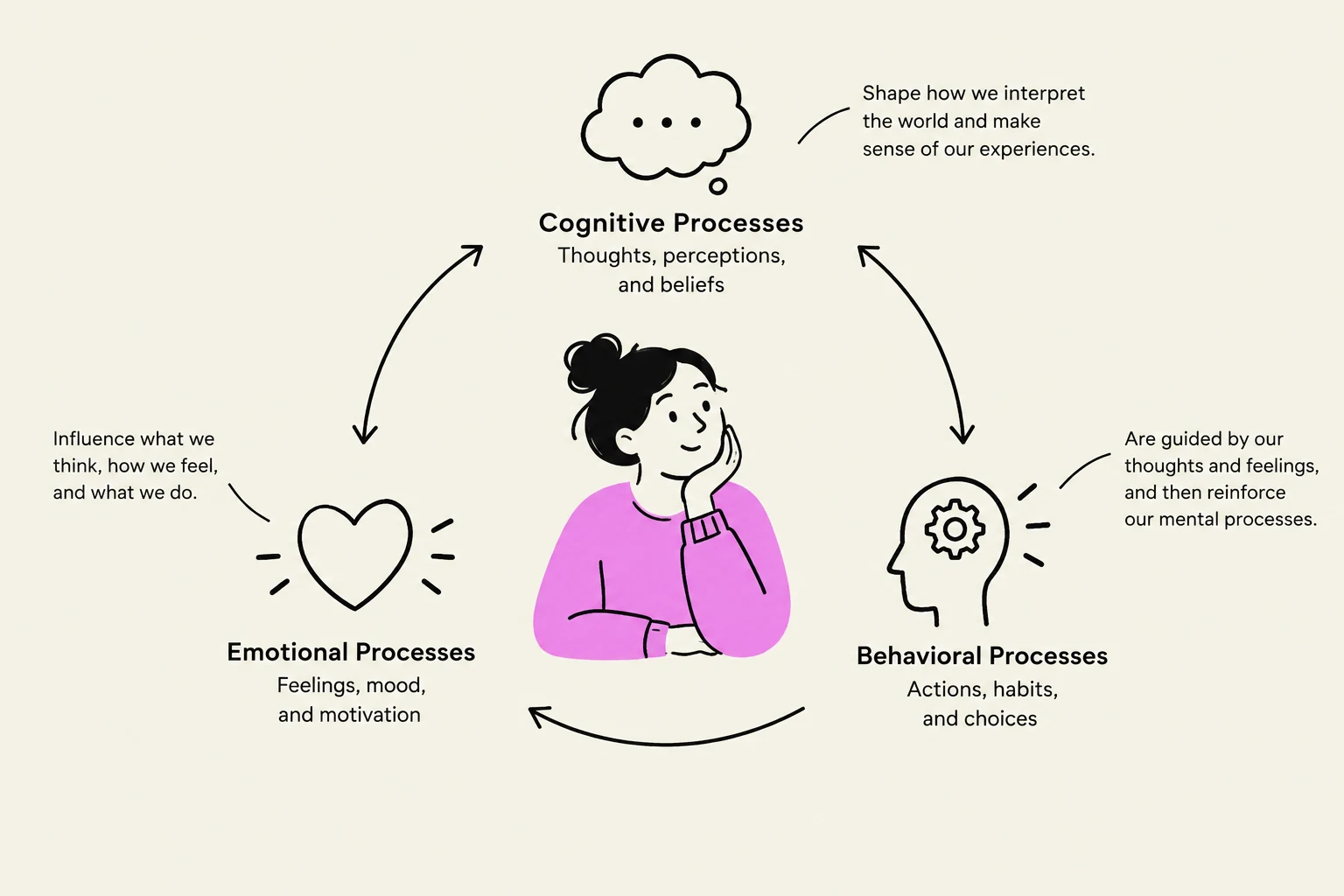
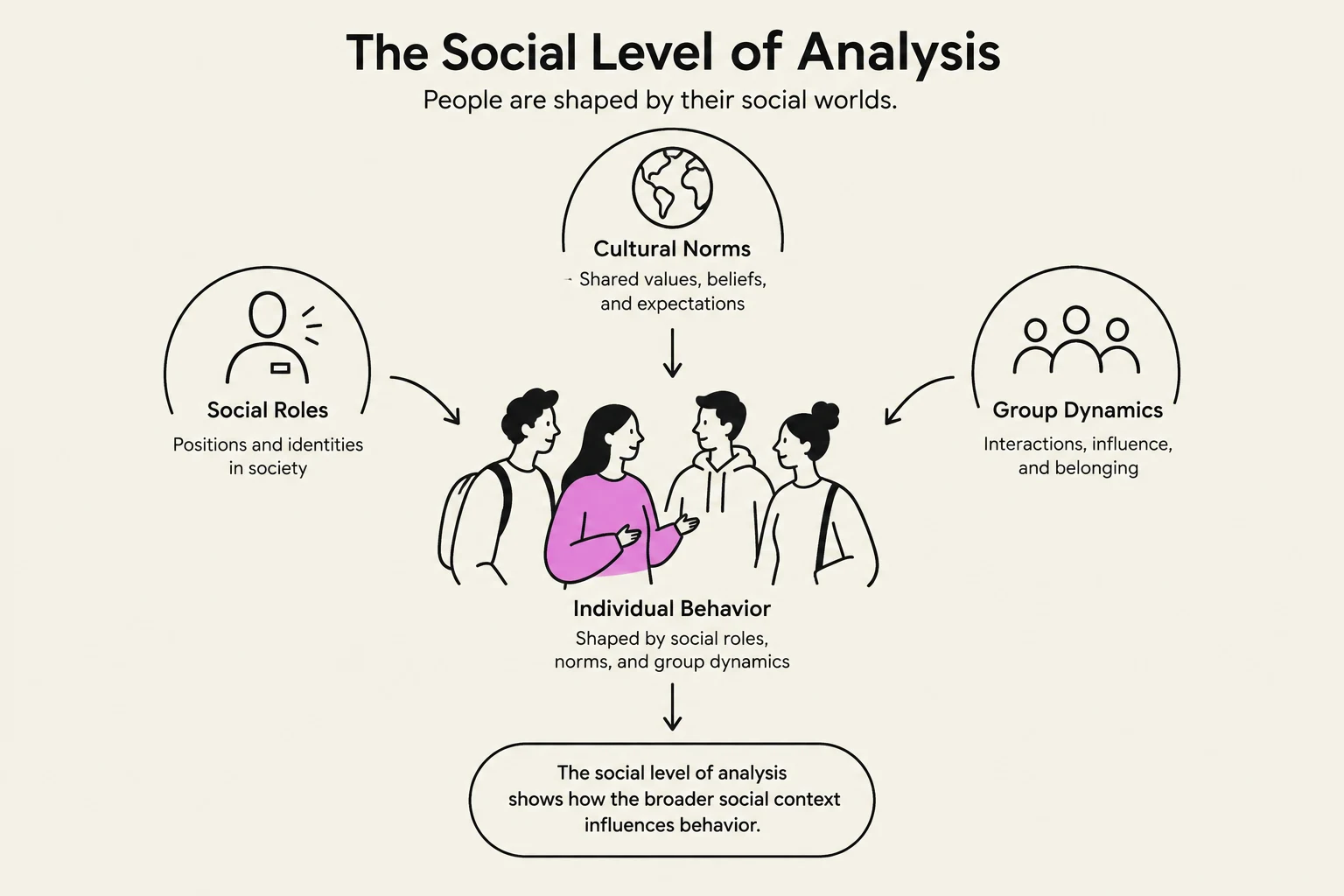
Why do people act the way they do? When we observe a person reacting to a stressful situation—perhaps shouting in anger or freezing in fear—the answer is rarely found in a single cause. To truly understand human behavior and mental processes, psychologists do not rely on a single explanation. Instead, they employ different "levels of analysis." By looking through biological, individual, and social lenses, we can construct a holistic view of the human experience.
The Biological Level: The Hardware of the Mind
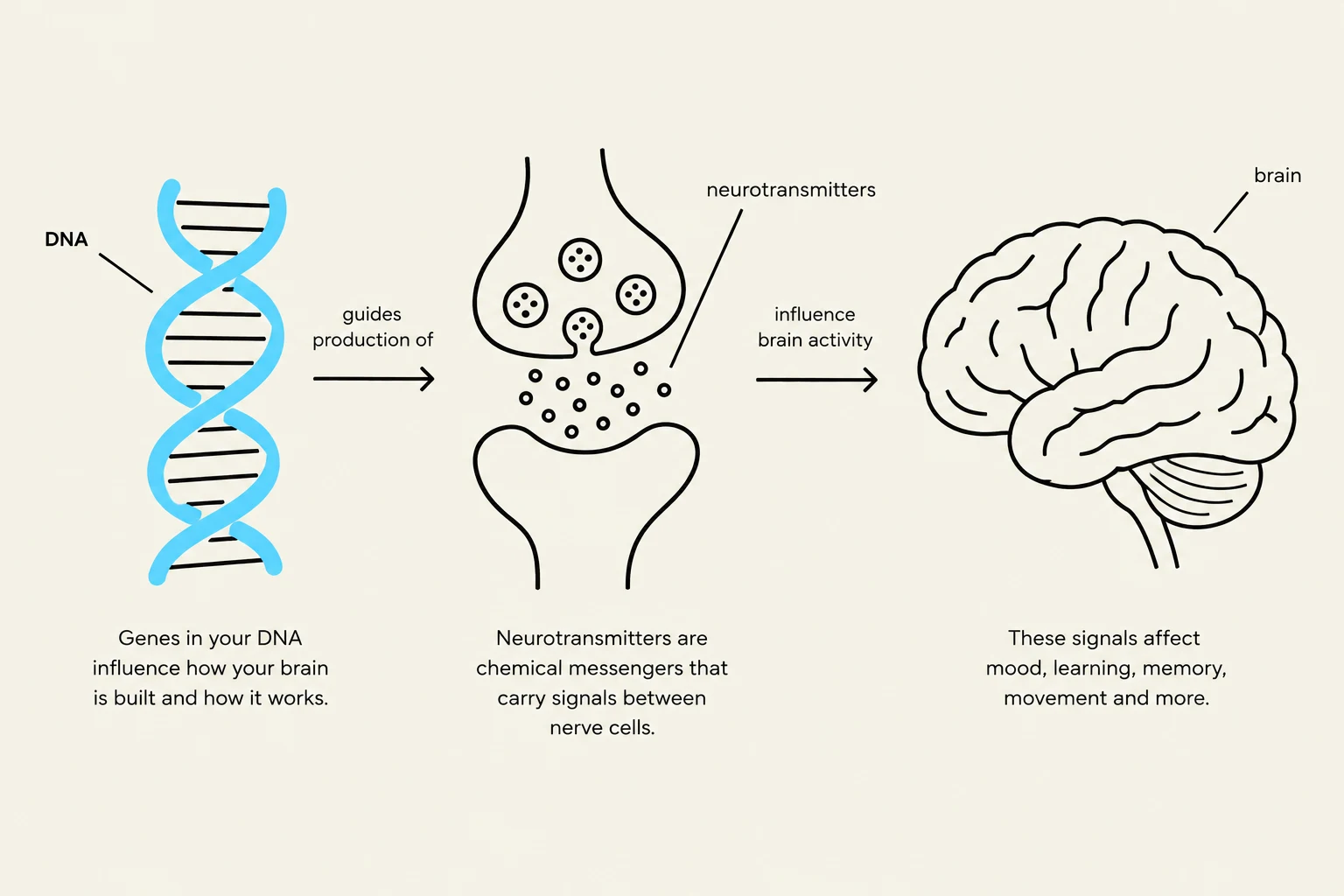
The biological level of analysis focuses on the physical foundations of behavior. This perspective views the human being as a complex biological organism, where every thought, feeling, and action is rooted in physiological processes. When we analyze behavior at this level, we are looking at the "hardware" of the brain and body.
Key areas of focus at this level include:
- Neuroscience: How neurotransmitters (like dopamine or serotonin) influence mood and motivation.
- Genetics: How inherited traits and DNA predispose individuals to certain behaviors or mental health conditions.
- Brain Structure: How specific regions, such as the amygdala (involved in emotion) or the prefrontal cortex (involved in decision-making), dictate our responses.
For example, if a person experiences chronic anxiety, a biological psychologist might investigate whether they have an overactive stress response system or a chemical imbalance in their brain chemistry.
Exam Tip: If a question asks about "physiological mechanisms," "hormones," or "neural pathways," it is directing you toward the biological level of analysis.
Keep reading for free.
Create an account to finish this reading and make it part of your study routine.
Continue reading freeAlready have an account? Log in
Updated