


The story of the Trojan War is one of the most enduring narratives in human history. As the subject of Homer's Iliad, it has shaped European literature for millennia. For students of Latin, this epic conflict provides more than just a thrilling tale of heroes and gods; it serves as a perfect vehicle for mastering complex grammatical structures, including the third declension, the genitive case, and the nuances of superlative adjectives.
The Iliad Narrative: Conflict and Compassion
The narrative begins with the mobilization of the Greek forces under the leadership of Agamemnon to attack the city of Troy.
However, the Greek camp is not a unified front. A bitter quarrel erupts between Agamemnon and the legendary warrior Achilles, leading the latter to withdraw from the battle in a fit of rage. This absence proves costly for the Greeks. In an attempt to turn the tide, Achilles' friend Patroclus dons Achilles' armor to strike fear into the Trojans, but he is ultimately slain by the Trojan hero Hector.
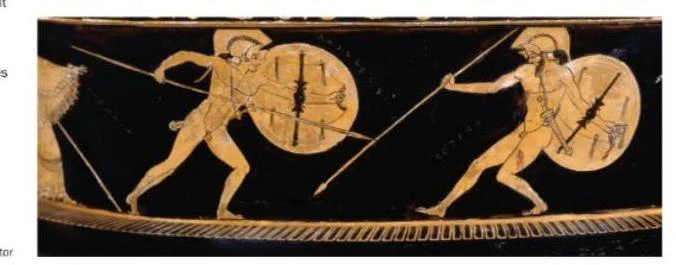
The tragedy culminates in a duel between Achilles and Hector. After a desperate chase around the walls of Troy, Achilles kills Hector and, driven by fury, drags his body behind his chariot.
The cycle of violence is only broken by an act of profound humanity. King Priam of Troy enters the Greek camp under the cover of night to plead for his son's body. Moved by misericordia (pity), Achilles relents, returning Hector to his father and allowing for a proper burial.
Keep reading for free.
Create an account to finish this reading and make it part of your study routine.
Continue reading freeAlready have an account? Log in
Updated