


Pregnancy is one of the most complex physiological processes in the human body, requiring a precise and delicate balance of chemical signals. These signals, primarily in the form of hormones, act as messengers that coordinate the development of the fetus, prepare the mother's body for massive physical changes, and eventually trigger the process of childbirth. Understanding these hormones is essential for anyone studying prenatal care, as fluctuations or deficiencies in these levels can significantly impact the health of both the mother and the developing baby.
The Early Signal: Human Chorionic Gonadotropin (hCG)
The journey of pregnancy begins with a signal that tells the mother's body that an embryo has implanted in the uterine lining. This signal is Human Chorionic Gonadotropin, commonly known as hCG. Produced by the cells that eventually form the placenta, hCG is the hormone responsible for the "positive" result on most home pregnancy tests.
The primary role of hCG in the first trimester is to maintain the corpus luteum, a temporary endocrine structure in the ovary. By stimulating the corpus luteum, hCG ensures the continued production of progesterone, which is vital for preventing menstruation and maintaining the uterine lining during the earliest stages of development.
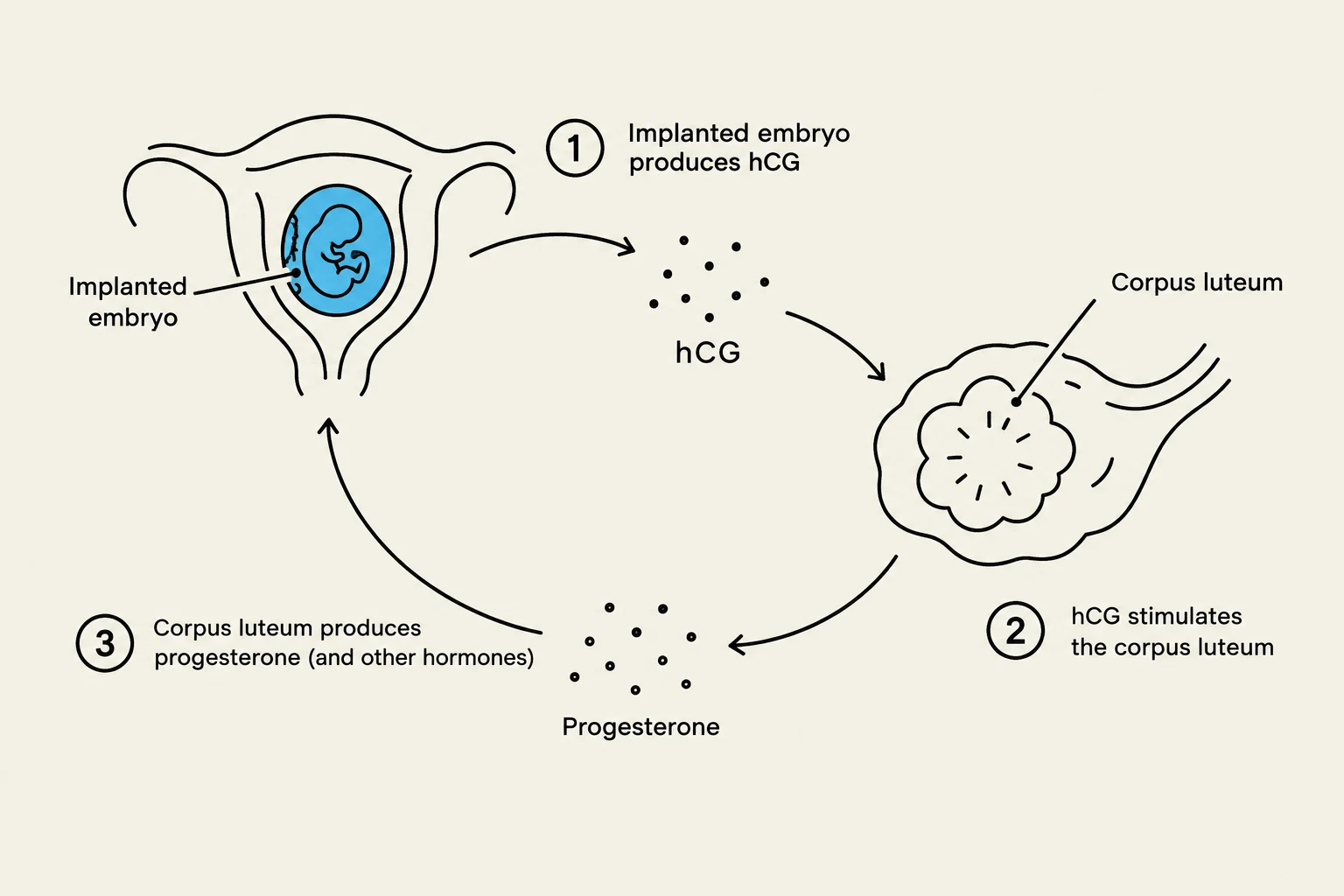
Exam Tip: Remember that hCG levels typically peak during the first trimester and then decline once the placenta is fully developed and capable of taking over hormone production.
Keep reading for free.
Create an account to finish this reading and make it part of your study routine.
Continue reading freeAlready have an account? Log in
Updated