


In an era of rapid information flow, distinguishing between reliable news and disinformation is a vital media literacy skill. While "fake news" and disinformation often circulate on social media, fabricated websites, or hyper-partisan outlets, mainstream media organizations operate under specific guardrails designed to ensure accuracy. Understanding how journalists work, the standards they follow, and the institutional structures that support them is essential for navigating the modern information landscape.
The Mechanics of Professional Journalism
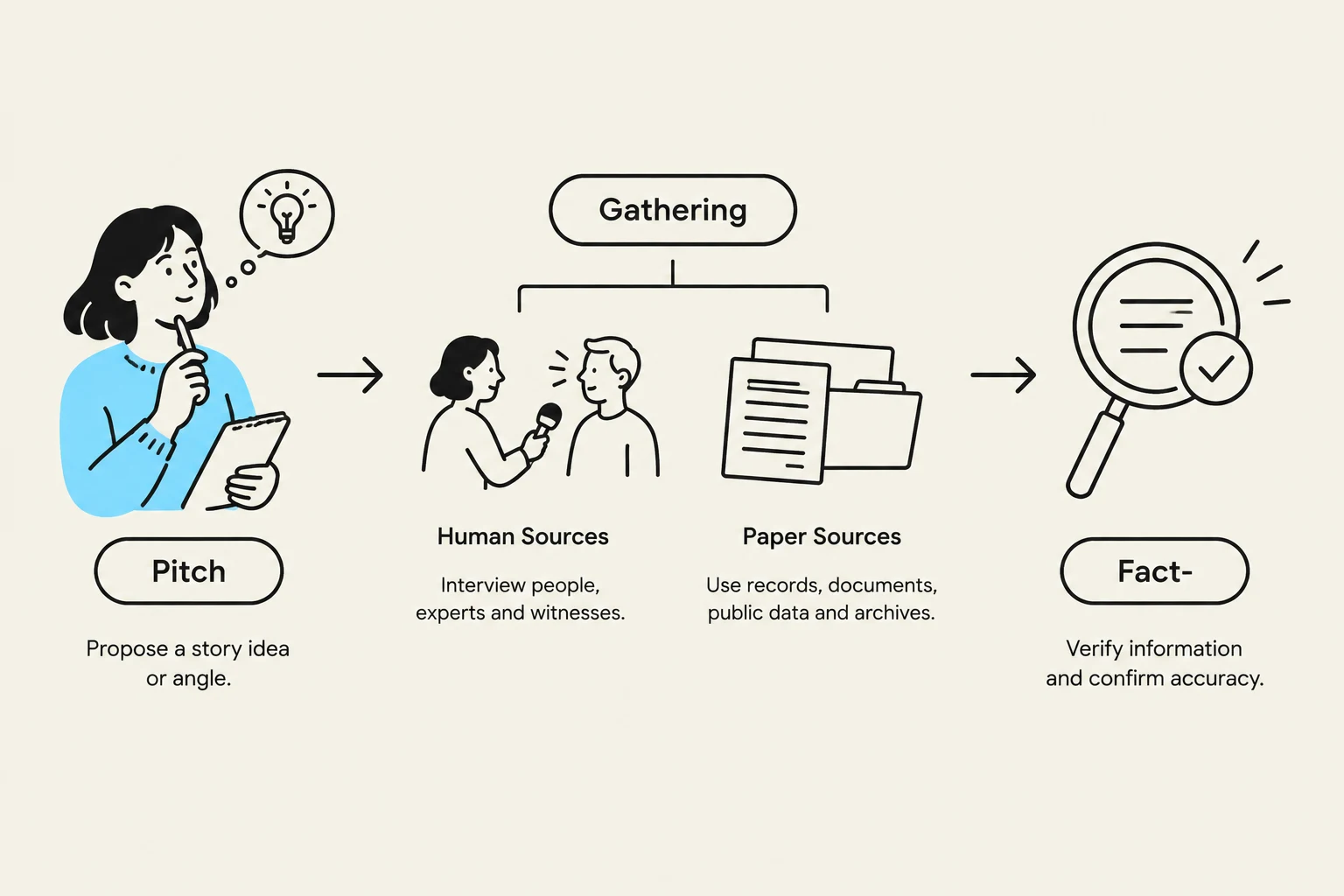
The day-to-day work of a journalist is a rigorous process of gathering, verifying, and presenting information. It typically begins with a pitch or an assignment from an editor, followed by the intensive collection of evidence.
To ensure a story is grounded in reality, journalists rely on two primary types of evidence:
- Human Sources: These include subject matter experts, individuals directly impacted by the story, or officials providing statements. In professional journalism, these sources are ideally named and quoted to provide accountability.
- Paper Sources: These consist of official reports, government documents, or other journalistic stories. Modern digital standards often require the use of hyperlinks to provide "proof of statement" for the reader.
Once the information is gathered, it undergoes a process of fact-checking and editing. Fact-checking involves verifying that every claim is accurate and can be corroborated by at least two reputable sources. While journalists write the stories, it is typically the editor's responsibility to ensure these verification steps have been completed properly.
Keep reading for free.
Create an account to finish this reading and make it part of your study routine.
Continue reading freeAlready have an account? Log in
Updated