


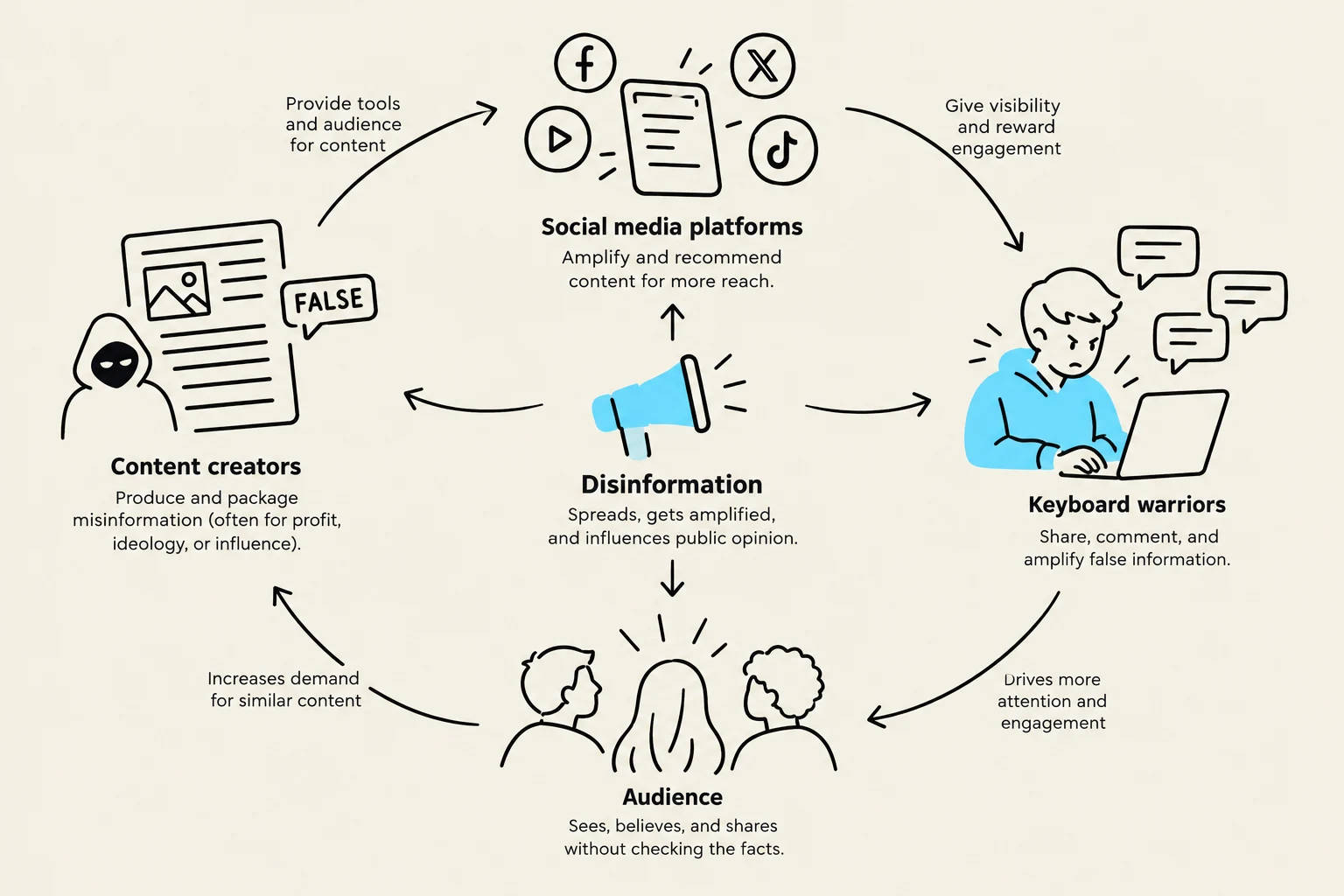
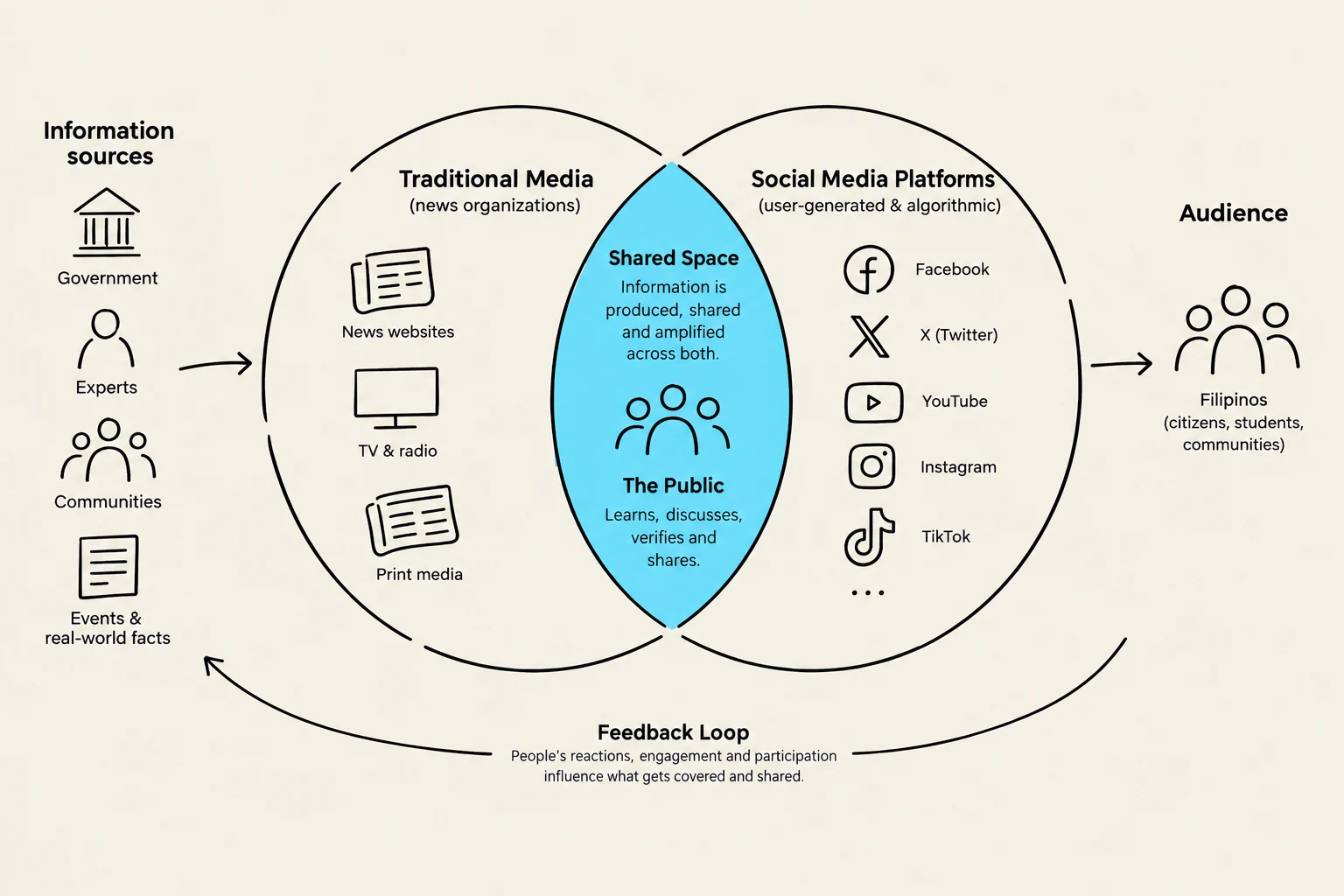
In the modern geopolitical landscape, the stability of a democracy is often determined not just by its borders or its economy, but by the integrity of its information ecosystem. The Philippines, a nation shaped by centuries of colonial rule and a complex history of resistance, has emerged as a critical case study in how social media can be weaponized to reshape national memory and political reality. As disinformation campaigns evolve from mere rumors into highly coordinated "social media machines," the role of independent journalism becomes the final line of defense against authoritarianism.
Historical Foundations: Colonialism and Dynastic Rule
To understand the contemporary political climate of the Philippines, one must look at the layers of its history. The archipelago's structure was fundamentally altered by Spanish colonization in the 1500s, which introduced Catholicism and a racial hierarchy. This was followed by American colonialism, which established a political system based on U.S. models but, crucially, promoted local elites and redistributed church lands to them.
This pattern created a lasting legacy of dynastic rule, where political and economic power became concentrated within specific families. This "strongman" political tradition, characterized by powerful presidencies and local fiefdoms, provided the structural foundation for the rise of populist leaders.
Study Tip: When analyzing Philippine politics, do not view "democracy" and "dynastic rule" as opposites. In this context, they are intertwined; democratic institutions (like elections) are often utilized by established political dynasties to maintain long-term control.
From Martial Law to the People Power Revolution
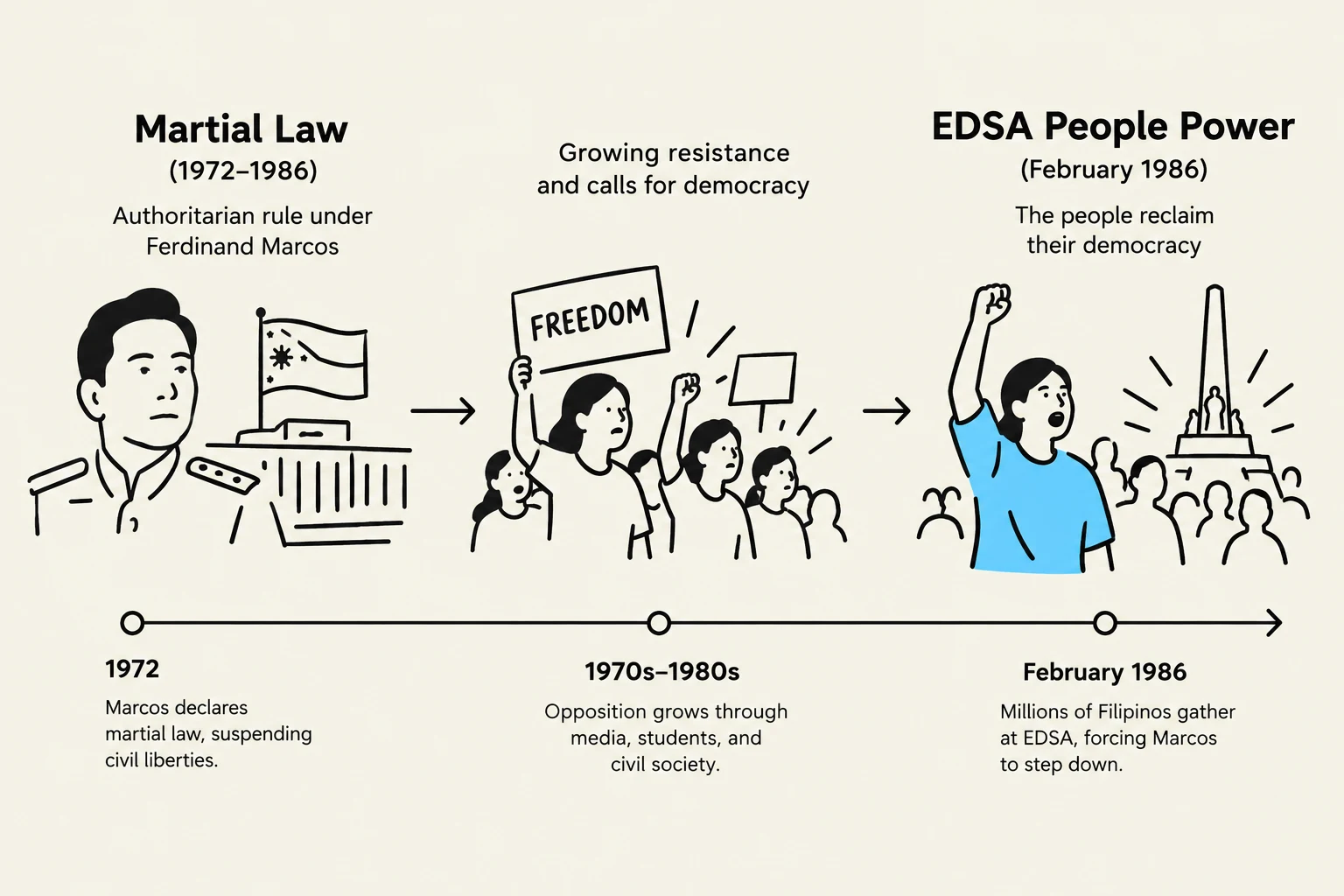
A pivotal moment in the nation's struggle for democratic identity was the era of Martial Law under Ferdinand Marcos Sr. from 1972 to 1981. This period was marked by authoritarian control that sought to suppress dissent and consolidate power.
Keep reading for free.
Create an account to finish this reading and make it part of your study routine.
Continue reading freeAlready have an account? Log in
Updated