


In Traditional Chinese Medicine (TCM), the concept of organ function extends far beyond simple anatomical structures. The Zang Xiang theory (or Zang-fu theory) is a fundamental framework used to study internal organs, their physiological and pathological signs, and the complex relationship between these organs and the phenomena of nature. By understanding how organs interact with Qi, Blood, and the environment, practitioners can interpret a patient's symptoms as reflections of internal imbalances.
The Framework of Zang, Fu, and Extraordinary Organs
The Zang-fu system categorizes the body's internal structures into three distinct groups: Zang organs, Fu organs, and Extraordinary organs. This classification is not based solely on physical shape but on the functional roles these structures play in maintaining life.
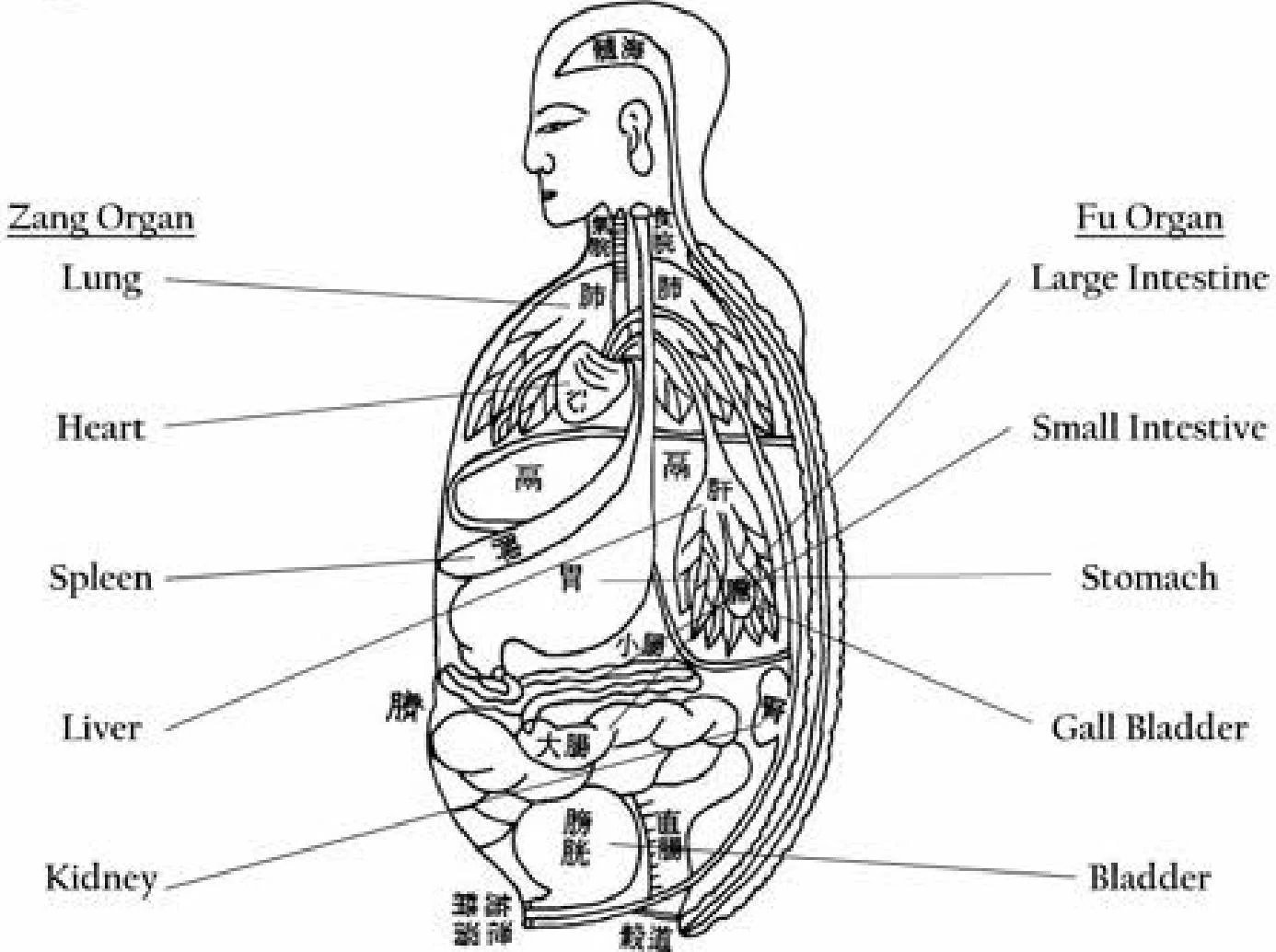
1. Zang Organs
The Zang organs are considered "solid" organs that primarily store vital substances. There are five primary Zang organs:
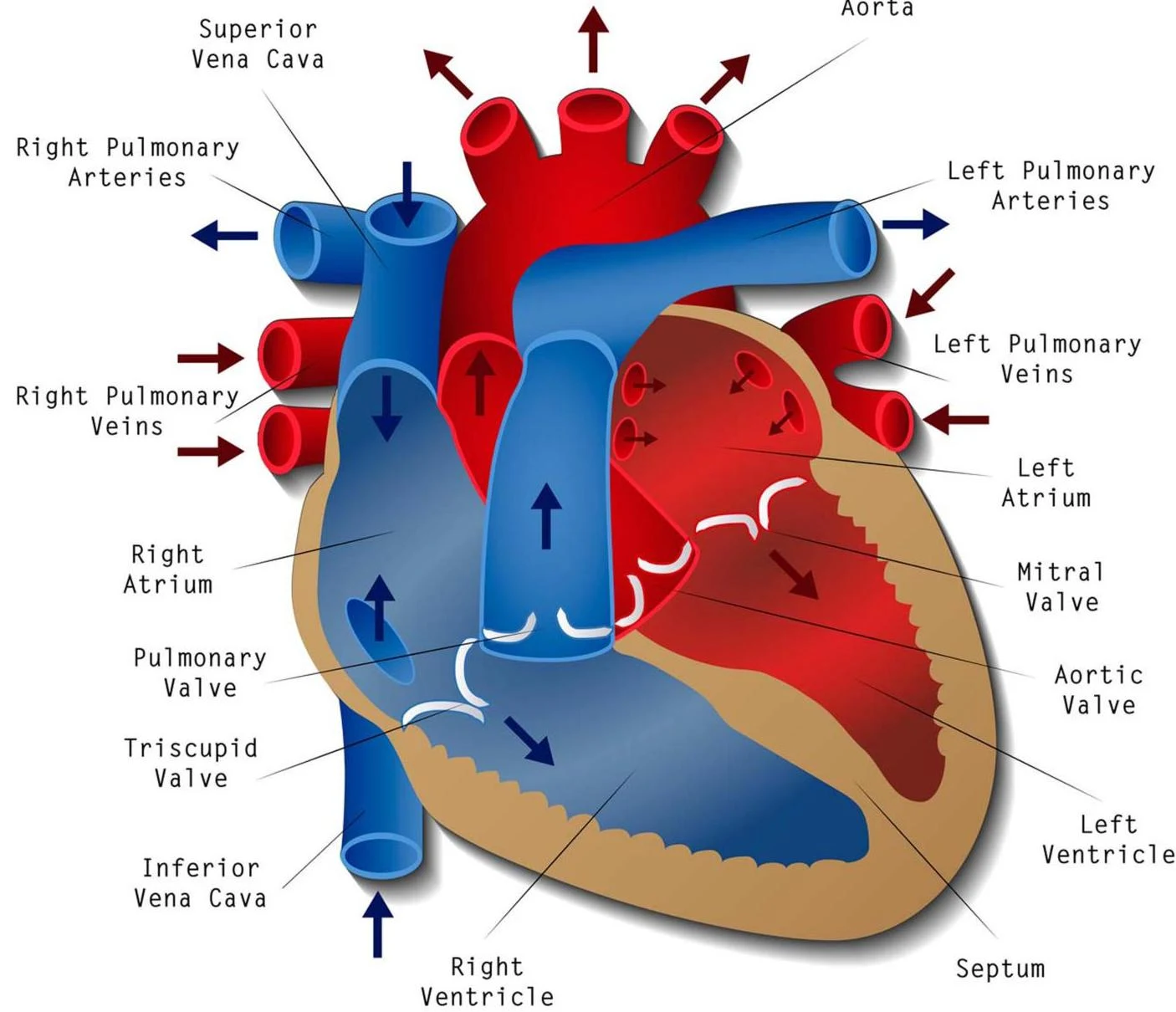
- Heart (enveloped by the Pericardium)
- Lung
- Liver
- Spleen
- Kidney
2. Fu Organs
The Fu organs are "hollow" organs responsible for receiving, transforming, and transmitting substances. The six Fu organs include:
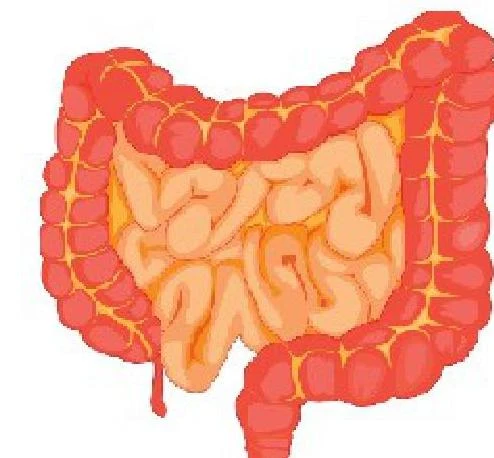
- Small Intestine
- Large Intestine
- Gallbladder
- Stomach
- Bladder
- Sanjiao (the Three Warmers)
3. Extraordinary Organs
Extraordinary organs do not fit strictly into the Zang or Fu categories because they have unique functions or bridge the gap between the two. These include:
Keep reading for free.
Create an account to finish this reading and make it part of your study routine.
Continue reading freeAlready have an account? Log in
Updated