


Veterinary dentistry is a critical component of comprehensive animal healthcare. To maintain overall health, animals require specialized veterinary care to prevent and treat various forms of dental disease. For veterinary technicians, mastering oral health is not just about cleaning teeth; it involves a complex range of skills including oral charting, radiography, anesthesia monitoring, and client education.
The Role of the Veterinary Technician
Technicians are the backbone of the dental suite. Their responsibilities extend far beyond simple scaling. Key tasks include:
- Clinical Procedures: Performing oral charting, taking dental radiographs, and executing dental cleanings (which involve hand scaling, ultrasonic scaling, and polishing).
- Patient Safety: Maintaining and monitoring anesthesia during procedures.
- Maintenance & Education: Maintaining specialized dental equipment and educating clients on essential at-home care to prevent disease progression.
Career Path Tip: Becoming a VTS in Dentistry If you wish to specialize, you can pursue becoming a Veterinary Technician Specialist (VTS) in Dentistry. Requirements include being a graduate of an AVMA-accredited program, completing 6,000 hours of work experience (with 1,000 hours specifically in dentistry), establishing a mentor, logging at least 50 specific dentistry cases, and passing a written exam.
Understanding Head Shapes and Dental Implications
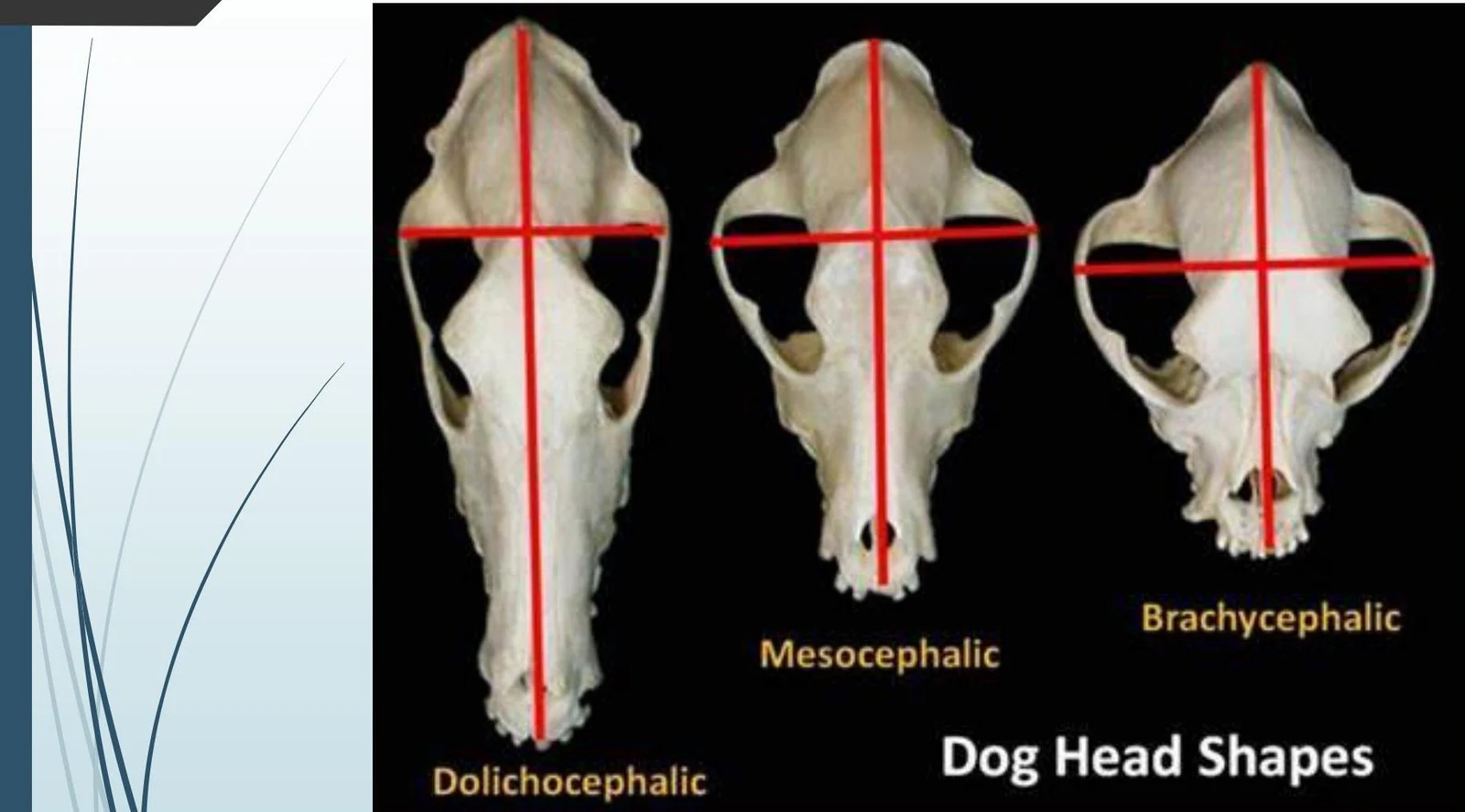
An animal's cranial morphology significantly impacts its dental health and the way teeth are positioned within the mouth. Veterinary professionals must be able to identify three primary head shapes:
Brachycephalic
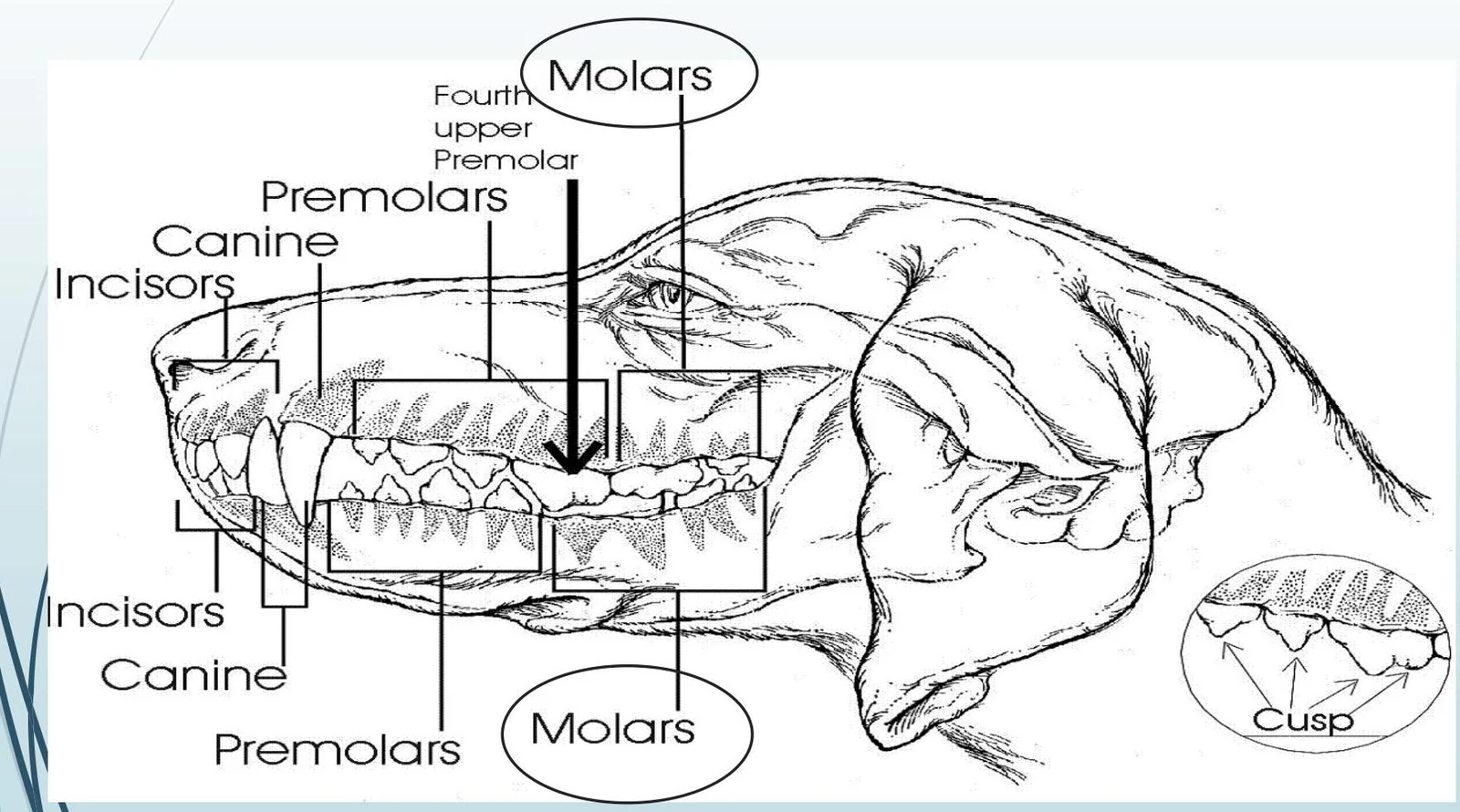
These animals have a short muzzle and a wide head. This anatomy commonly results in crowded and rotated premolars.
Examples: Pugs, Bulldogs, Persians, and Boxers.
Mesocephalic
This is the most common head type, characterized by a muzzle of medium length and width.

Keep reading for free.
Create an account to finish this reading and make it part of your study routine.
Continue reading freeAlready have an account? Log in
Updated