


The muscular system is a complex network of tissues responsible for movement, stability, and heat production. To master this system, one must look beyond simply memorizing names; you must understand the microscopic differences between tissues, the specific language used to describe movement, and a systematic way to identify muscles based on their location in the body.
The Three Types of Muscle Tissue
Not all muscles are created equal. In the human body, muscle tissue is categorized into three distinct types based on three main criteria: appearance (striated vs. non-striated), control (voluntary vs. involuntary), and location.
Skeletal Muscle
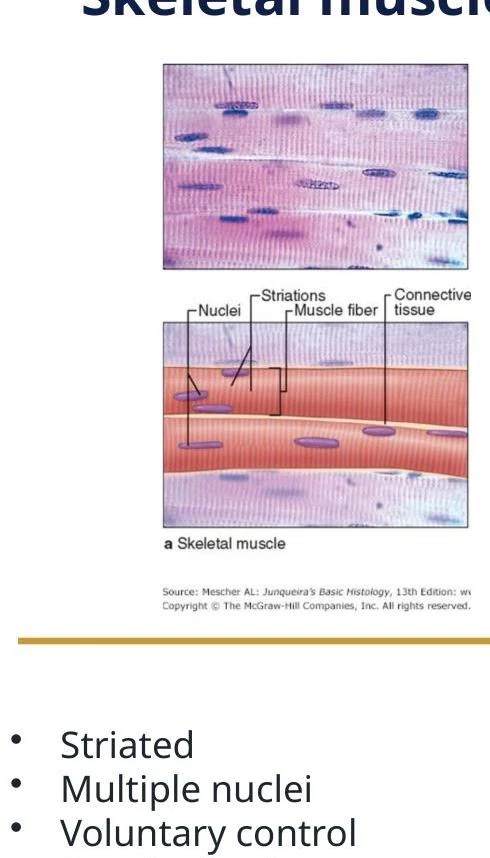
Skeletal muscles are the muscles most people think of when they imagine "working out." They are characterized by a striated (striped) appearance under a microscope and contain multiple nuclei per cell. Most importantly, skeletal muscle is under voluntary control, meaning you consciously decide to move your limbs using these muscles. They are typically attached to bones to facilitate movement.
Cardiac Muscle
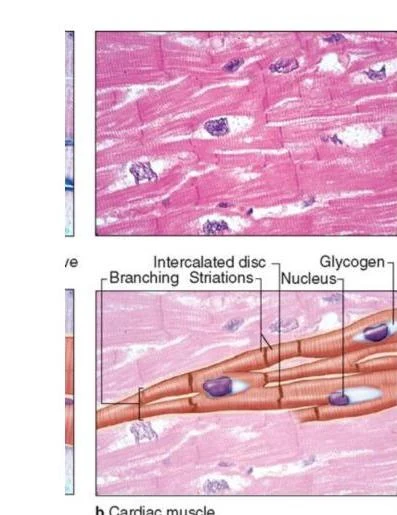
Found exclusively in the heart, cardiac muscle is also striated. However, it possesses unique structural features known as intercalated discs, which allow for rapid communication between cells to ensure the heart beats in a synchronized rhythm. Unlike skeletal muscle, cardiac muscle is involuntary; you cannot consciously control your heartbeat.
Smooth Muscle
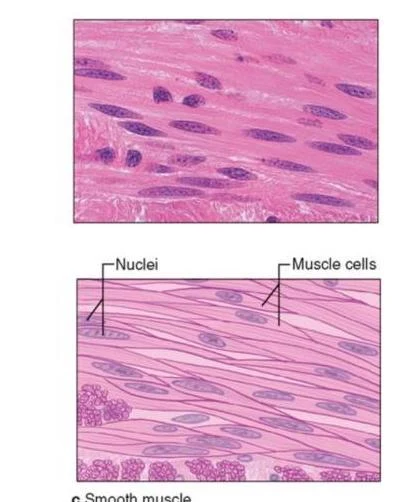
Smooth muscle is named for its lack of striations. These cells are non-striated, spindle-shaped, and contain a single nucleus. Smooth muscle operates under involuntary control and is found in the walls of hollow organs, such as the digestive tract and blood vessels.

Keep reading for free.
Create an account to finish this reading and make it part of your study routine.
Continue reading freeAlready have an account? Log in
Updated