


Imagine you are standing in a supermarket with only $10 in your pocket. You are hungry and want a nutritious meal, but you also want a delicious chocolate bar and a new magazine. You realize that no matter what you choose, you cannot have everything. This simple realization is the foundation of all economic study. Economics is a social science that examines how individuals, governments, firms, and nations make choices to allocate scarce resources to satisfy their unlimited wants and needs.
The Central Problem: Scarcity
The fundamental tension in economics arises from a massive imbalance: human needs and wants are insatiable (unlimited), while the resources available to satisfy them are finite. This imbalance is known as scarcity.
To understand scarcity, we must look at the resources required to produce everything we use. These are often referred to as the factors of production:
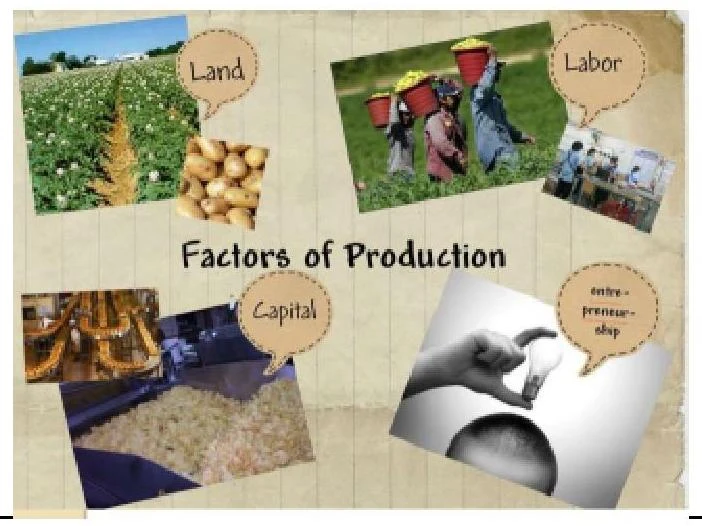
- Land: Natural resources used in production.
- Labour: Human effort and work.
- Capital: Man-made tools, machinery, and buildings.
- Entrepreneurship: The skill of combining the other three to create a business.
Scarcity is not a one-size-fits-all concept; it can manifest in two distinct ways:
- Absolute Scarcity: This occurs when nature itself cannot provide enough resources to meet human needs. A classic example is a severe drought that limits the total amount of agricultural produce available.
- Relative Scarcity: This occurs when goods are physically available, but an individual lacks the specific resources (such as money) to acquire them. For instance, Levi jeans may be sitting on a store shelf, but if you do not have the cash, those jeans are relatively scarce to you.

Keep reading for free.
Create an account to finish this reading and make it part of your study routine.
Continue reading freeAlready have an account? Log in
Updated