


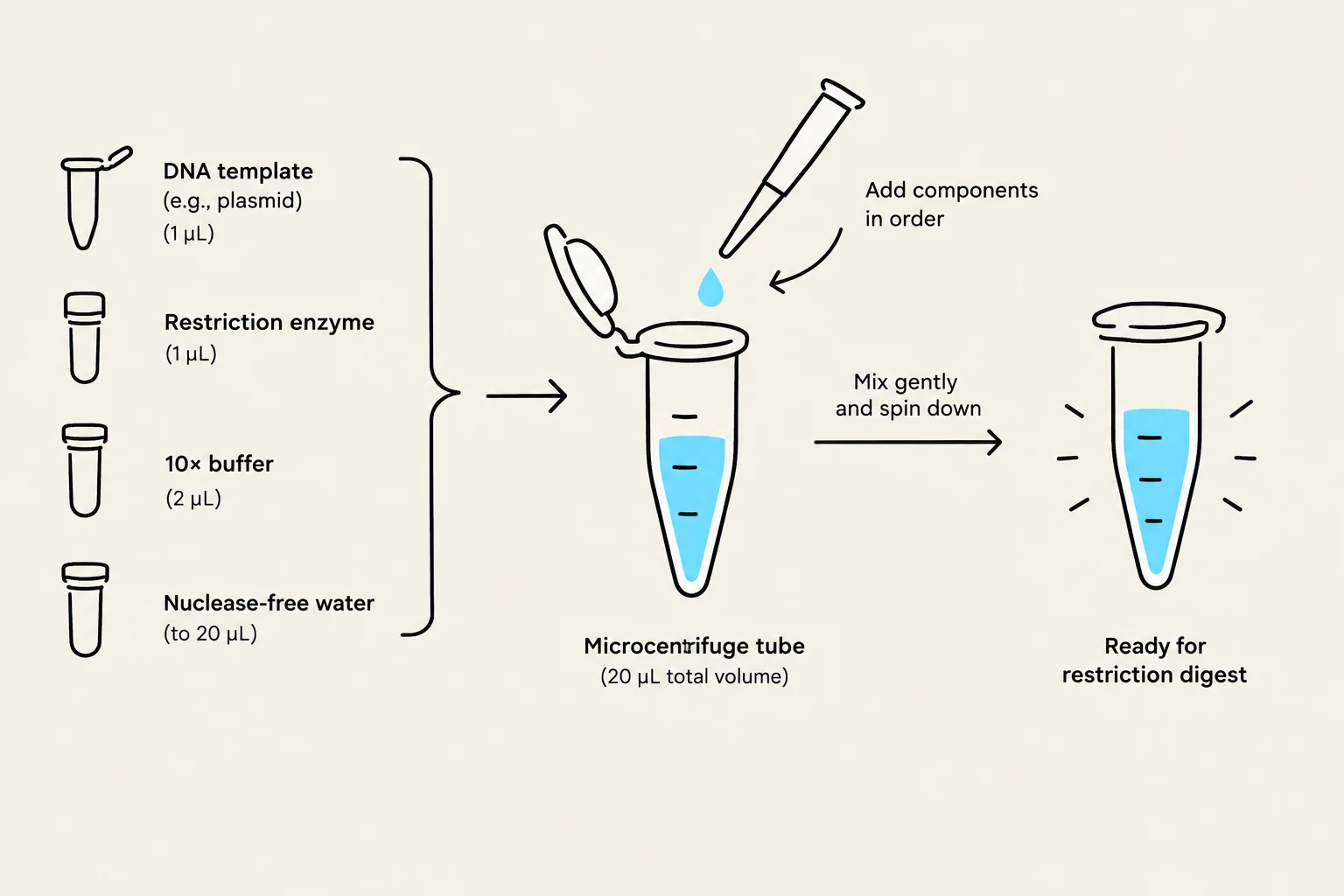
In molecular biology, the ability to manipulate DNA with precision is the cornerstone of genetic engineering. One of the most fundamental techniques used to achieve this is the restriction digest. This process allows scientists to cut DNA at specific locations, enabling them to isolate genes, create recombinant DNA, or map out the structure of a plasmid. This article provides an overview of the restriction digest demonstration, the preparation of the necessary plasmid DNA, and the mathematical principles required to perform these reactions accurately.
The Foundation: Plasmid DNA Isolation
Before a restriction digest can occur, you must first obtain purified DNA. In most laboratory settings, this is achieved through a plasmid mini prep. A plasmid is a small, circular piece of extrachromosomal DNA found in bacteria that can be independently replicated.
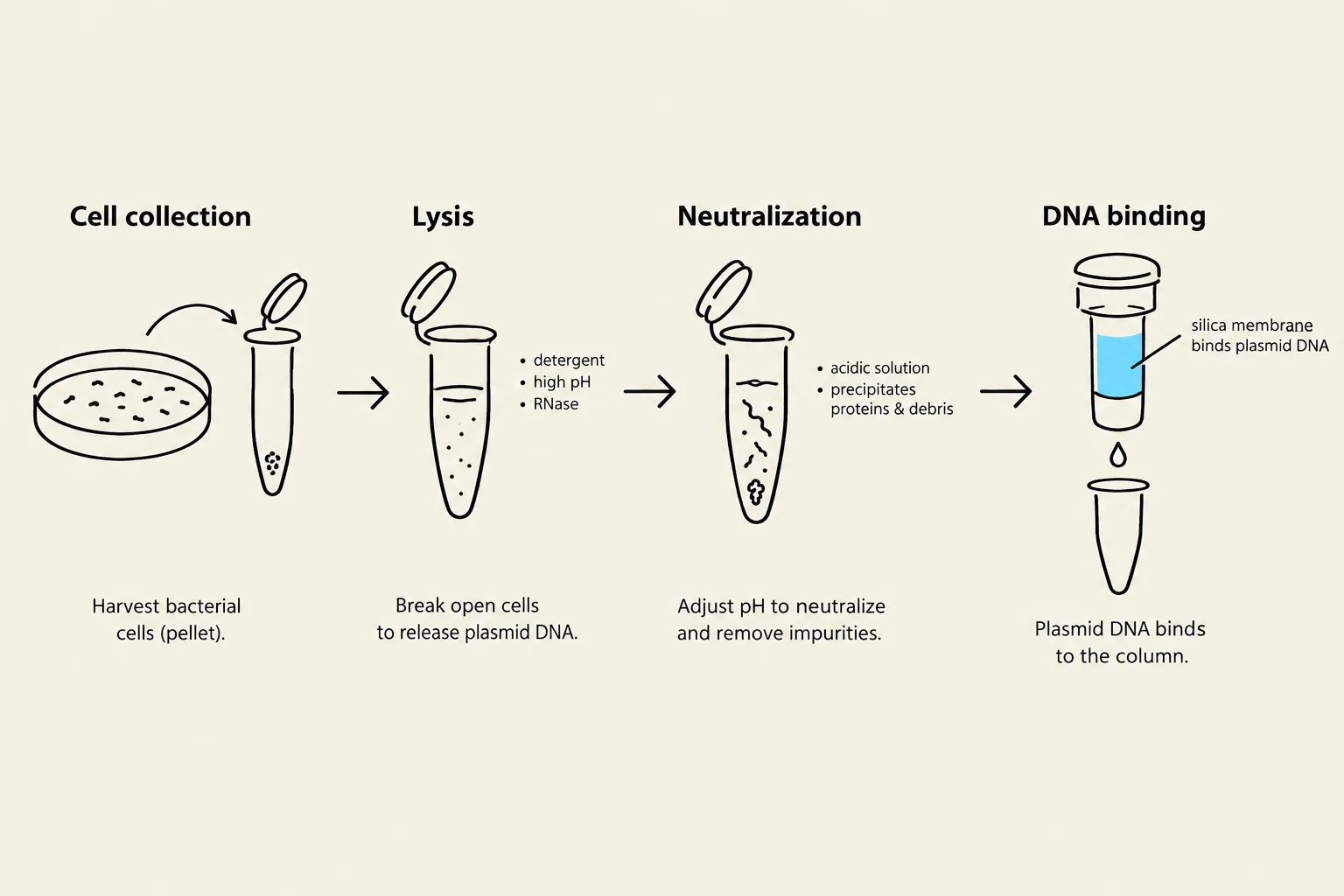
The mini prep process typically utilizes spin column technology to isolate the plasmid from the host E. coli cells. The workflow follows a highly specific sequence of chemical and physical steps:
- Cell Collection: E. coli is harvested from a liquid culture via centrifugation. The liquid (supernatant) is discarded, leaving a concentrated pellet of bacterial cells.
- Lysis: A lysis buffer containing SDS (a detergent) and high concentrations of chaotropic salts is added. The SDS breaks open the cell membranes, while the salts destabilize proteins and weaken the bond between nucleic acids and water.
- Neutralization: A neutralization buffer is added to precipitate the SDS and proteins. This is a critical step; if the SDS is not neutralized, it can degrade the plasmid DNA, significantly lowering your yield.
- DNA Binding: After centrifugation, the cellular waste forms a pellet, and the plasmid DNA remains in the supernatant. This supernatant is transferred to a spin column containing a silica gel membrane. In the presence of chaotropic salts, the DNA binds to the membrane.
- Washing and Elution: Alcohol-based washes remove residual salts that would otherwise interfere with downstream enzymes like restriction enzymes or ligases. Finally, a low ionic strength solution (like water or TE buffer) is used to elute (release) the purified DNA from the membrane.

Keep reading for free.
Create an account to finish this reading and make it part of your study routine.
Continue reading freeAlready have an account? Log in
Updated