


Psychology is a vast and intricate field that seeks to understand the complexities of human behaviour and mental processes. Because human experience is so multifaceted, no single theory or method can capture the whole picture. Instead, psychologists must adopt diverse perspectives and study a wide range of populations to achieve a complete and accurate understanding of how we think, feel, and act.
The Challenge of Diversity: Moving Beyond WEIRD Samples
A significant hurdle in modern psychological science is the historical reliance on a specific type of research participant known as WEIRD samples. This acronym stands for Western, Educated, Industrialized, Rich, and Democratic.
While these populations are frequently studied, they represent only about 20 percent of the global population. When researchers assume that findings from these Eurocentric cultures apply universally to the rest of the world, they create "blind spots" in our collective knowledge. For example, Western norms and beliefs may be viewed as "normal," potentially stigmatizing non-Western cultural practices.
In Canada, there is an increasing movement to integrate Indigenous perspectives to address these gaps. Concepts like Etuaptmumk, or "two-eyed seeing," suggest that Western and Indigenous knowledge systems can work in harmony to provide a richer understanding of human life.
The Many Lenses of Psychology
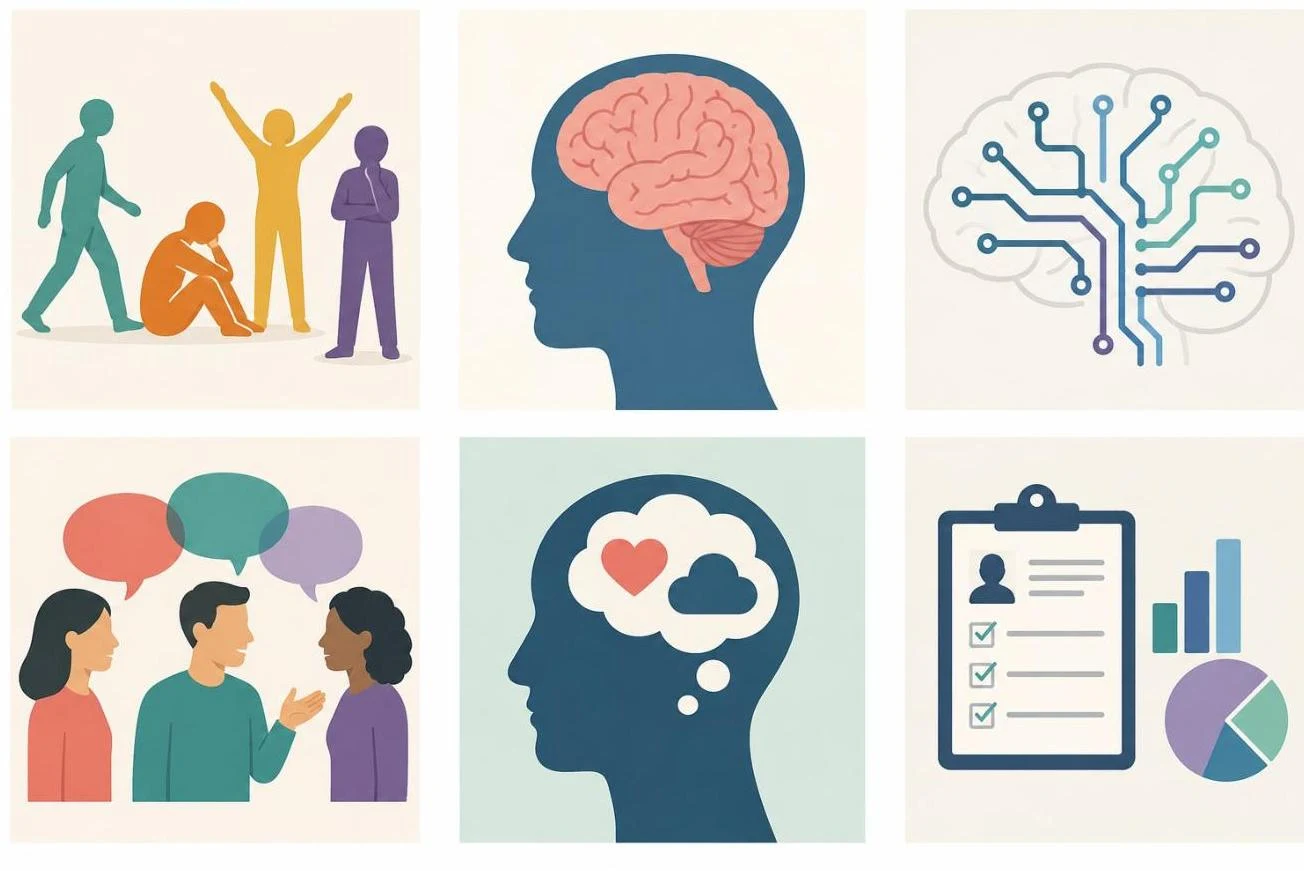
To study the mind effectively, psychologists use different "lenses" or perspectives. Each perspective targets different goals, ranging from understanding broad biological patterns to individual differences.
Understanding Patterns and Biology
- Evolutionary perspective: Focuses on broad patterns of behaviour, such as the motivations humans evolved to ensure survival and reproduction.
- Cultural perspective: Examines how social and cultural environments—the "scripts" of our societies—influence behaviour and preferences.
- Biological-neuroscience perspective: Investigates the physical underpinnings of the mind, including the roles of the brain, hormones (like oxytocin), and even how the brain can change through experience.
Keep reading for free.
Create an account to finish this reading and make it part of your study routine.
Continue reading freeAlready have an account? Log in
Updated