


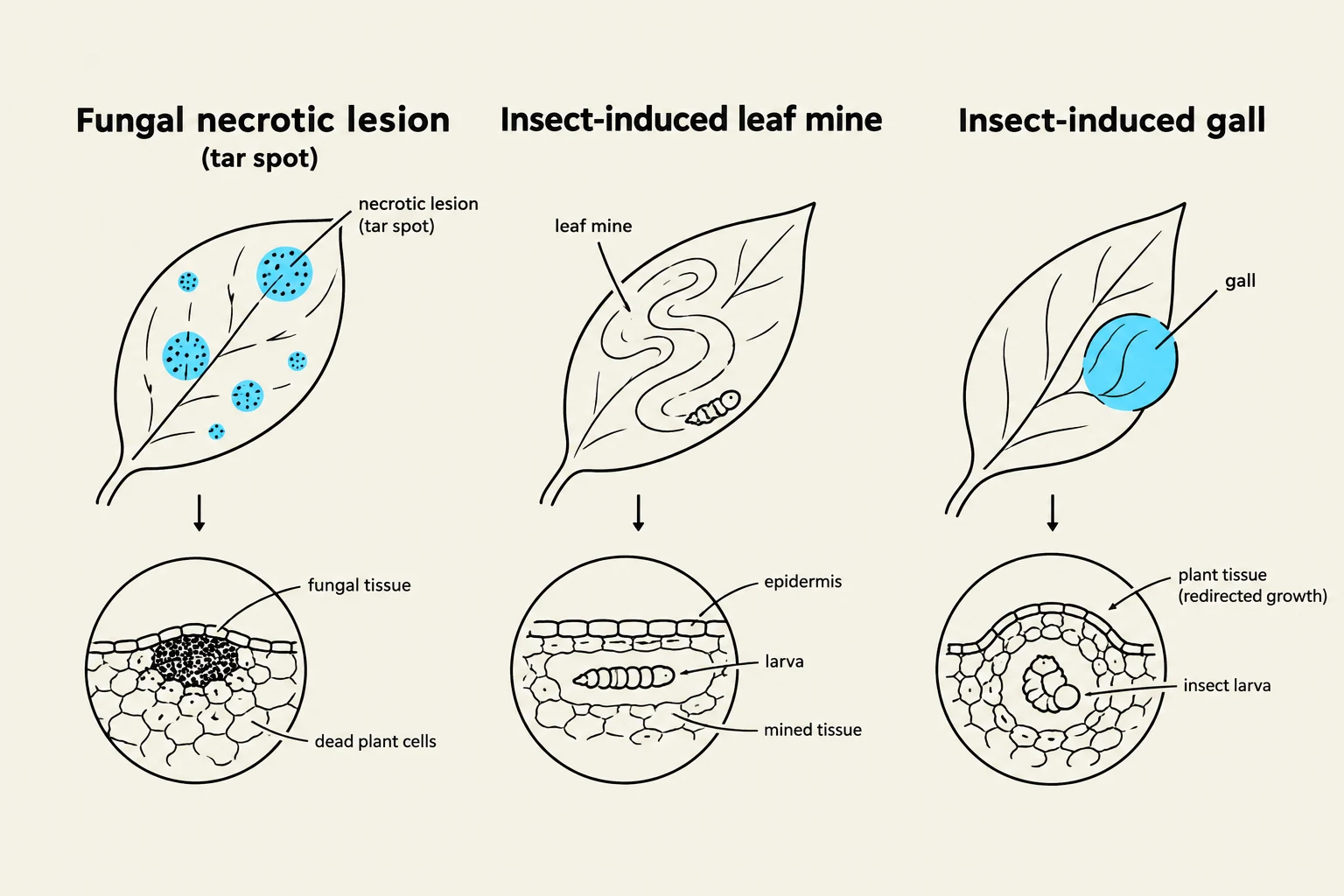
The kingdom Fungi represents one of the most diverse and ecologically significant groups of organisms on Earth. From the microscopic structures that drive reproduction to the large, fleshy fruit bodies we encounter in the forest, fungi play critical roles as decomposers, symbionts, and pathogens. To understand fungi, one must look both at the cellular level—specifically how they produce spores—and at the macroscopic level, where morphology helps us identify species and distinguish them from other forms of biological damage.
The Major Phyla: Basidiomycota and Ascomycota
At the core of fungal classification are the two largest phyla of "higher fungi": Basidiomycota and Ascomycota. While both are characterized by complex life cycles and the production of fruiting bodies, they differ fundamentally in their reproductive structures.
Phylum Basidiomycota: The Club Fungi
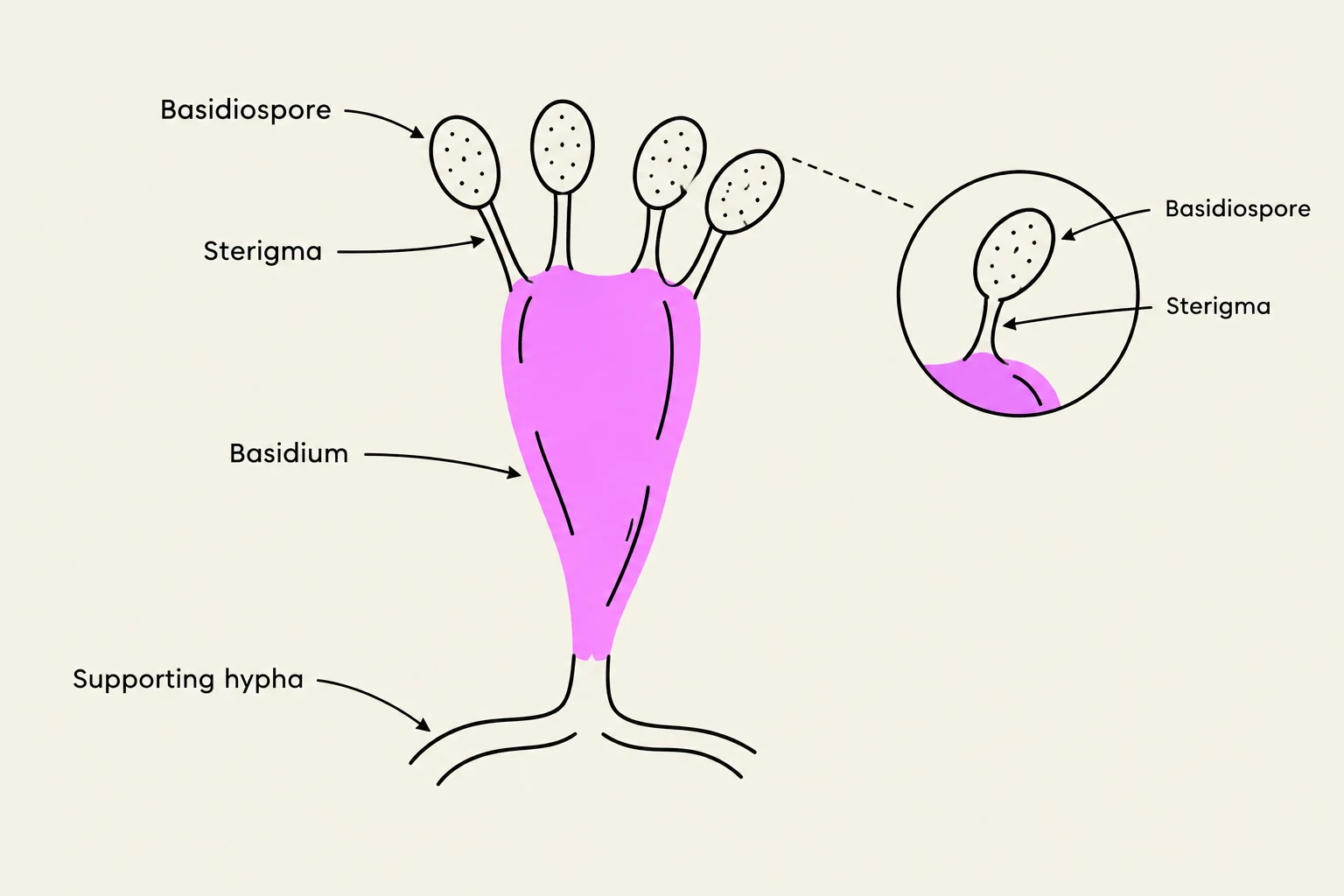
The Basidiomycota, commonly known as club fungi, are defined by the presence of a specialized microscopic structure called a basidium (plural: basidia). The basidium is the site of karyogamy (the fusion of nuclei) and meiosis, which ultimately results in the production of external spores known as basidiospores. Typically, four basidiospores are borne on tiny stalks called sterigmata at the tip of the basidium. This mechanism allows for efficient spore dispersal, often relying on gravity or wind once the spores are released from the club-shaped structure.
Phylum Ascomycota: The Sac Fungi
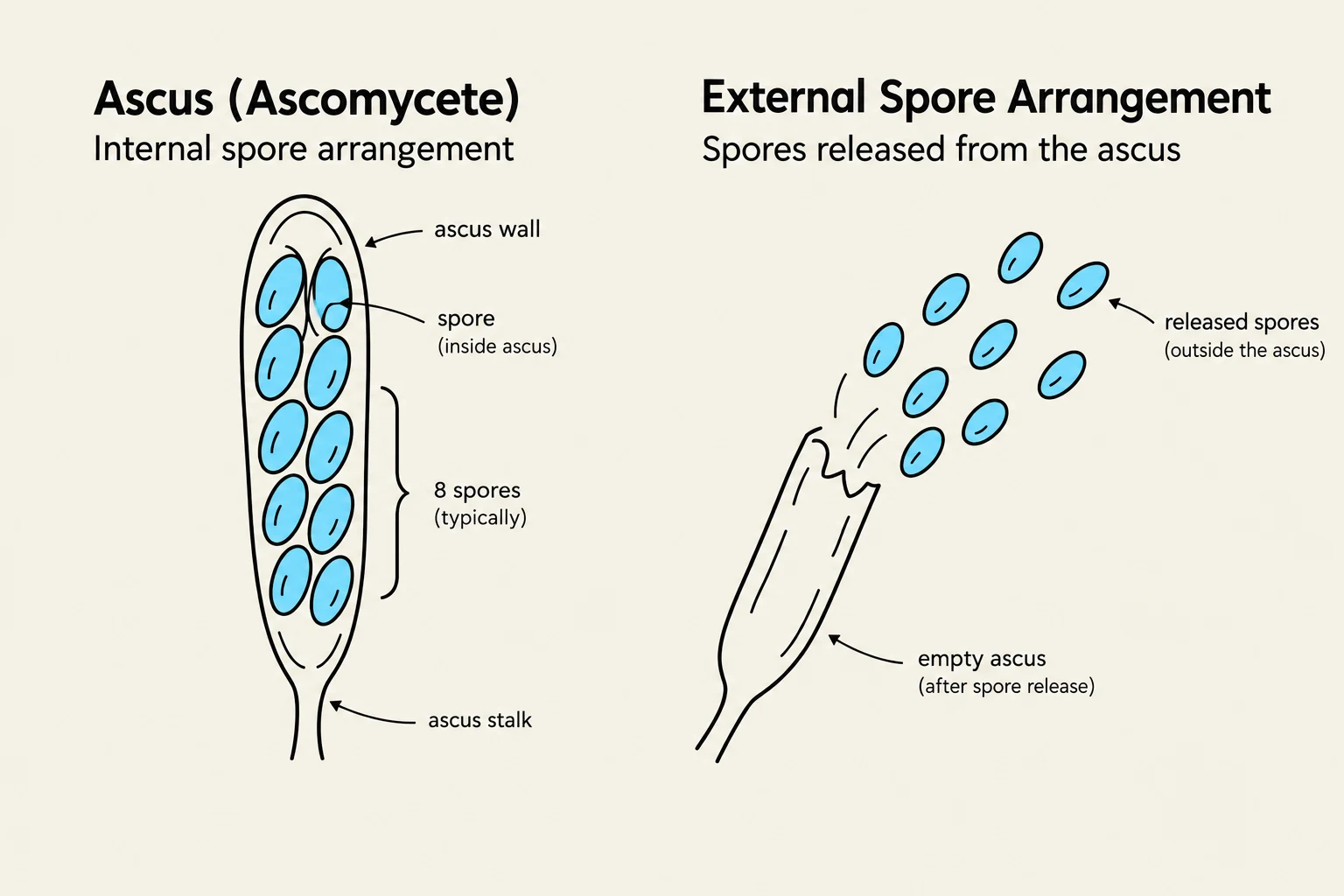
In contrast, the Ascomycota, or sac fungi, produce their spores within a different structure called an ascus (plural: asci). An ascus is a sac-like cell where meiosis occurs, typically resulting in eight internal ascospores. Unlike the external spores of the Basidiomycota, ascomycetes often utilize a sophisticated "spore ejection" mechanism. In many species, internal turgor pressure builds up within the ascus until it ruptures, forcibly shooting the spores into the air to ensure they escape the boundary layer of still air surrounding the fungus.
Keep reading for free.
Create an account to finish this reading and make it part of your study routine.
Continue reading freeAlready have an account? Log in
Updated