


In industrial and construction environments, the ability to move materials safely and secure loads effectively is a fundamental skill. This process involves two distinct but related disciplines: material handling—which encompasses the use of manual lifting techniques and mechanical equipment—and rigging, which requires a deep understanding of rope anatomy and various knot-tying methods. Whether you are moving a heavy pallet with a telehandler or securing a tool to a scaffold, following established safety protocols is essential to prevent injury and equipment damage.
Material Handling and Safety Protocols
Effective material handling begins with preparation and personal safety. Before attempting to move any load, you must assess the situation and pre-plan the task.
Manual Lifting and Ergonomics
When moving items by hand, improper form is a leading cause of injury. To ensure a safe lift, you should use your legs for power and keep your back straight. Conversely, keeping your head down during a lift is considered improper technique and should be avoided.
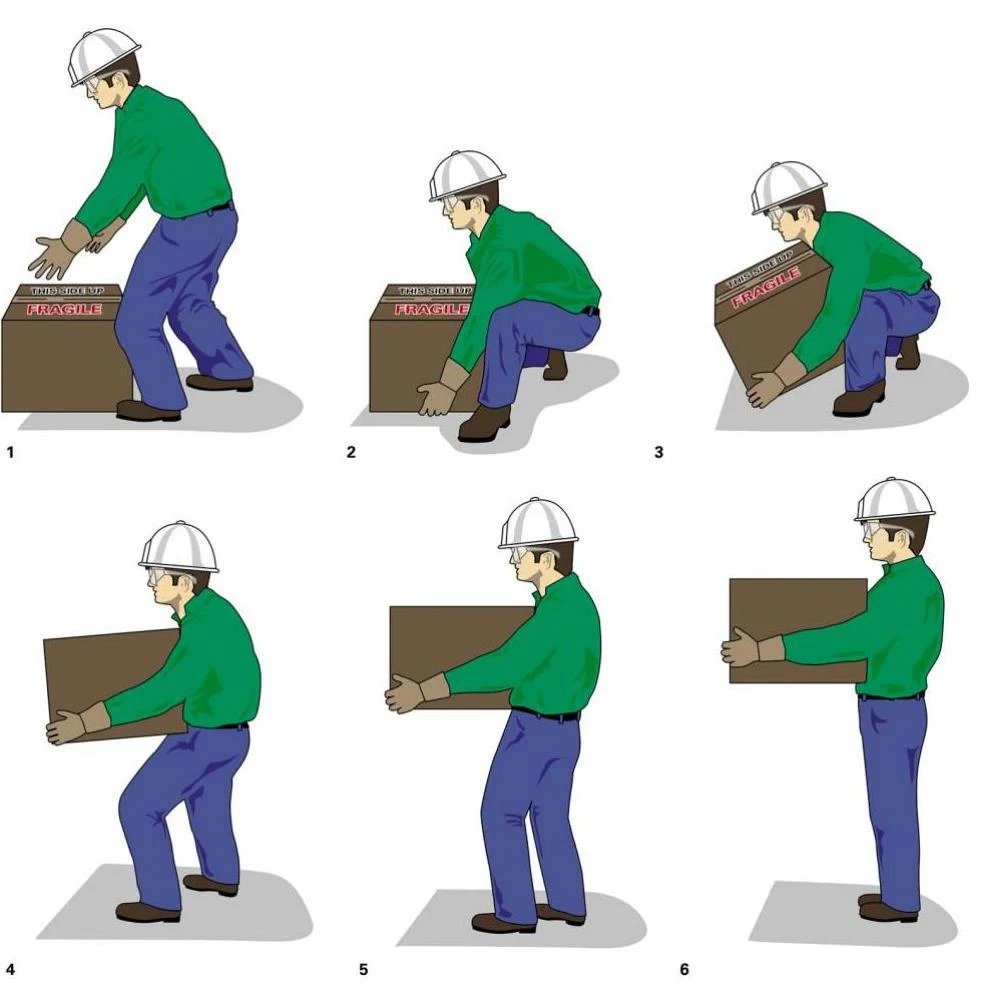
When lowering a load, the process should be the reverse of the lift: size up the load first, and lower it using the same controlled movements used during the lift. Always treat the area where a load is being lowered as a "fall zone" to prevent injury to bystanders.
Storage and Clothing
Safety also extends to how materials are stored. Items such as lumber, bricks, and masonry blocks should be stacked according to specific safety standards to prevent collapse. For example, loose bricks should not be stacked higher than seven feet, and masonry blocks should be set back by one-half block per layer once the stack exceeds six feet.
Keep reading for free.
Create an account to finish this reading and make it part of your study routine.
Continue reading freeAlready have an account? Log in
Updated