


In our interconnected global economy, how can a manufacturer in Germany be certain that a component produced in Japan will fit perfectly into a machine assembled in Brazil? The answer lies in standardization. Without a shared set of rules, international trade would be a chaotic landscape of incompatible parts, varying safety levels, and unreliable data. The International Organization for Standardization (ISO) serves as the architect of this global framework, providing the "common language" that allows industries, governments, and consumers to trust products and services across borders.
What is ISO?
ISO is an independent, non-governmental international organization that develops and publishes international standards. It is not a regulatory body; rather, it is a voluntary consensus-based organization. This means that ISO does not "force" companies to follow its rules, but instead provides the blueprints that successful, high-quality organizations choose to adopt to prove their competence and reliability.
The organization brings together experts from various countries to discuss technical issues and reach a consensus on how things should be done. These standards cover almost every aspect of modern life, from the size of credit cards and the safety of toys to the cybersecurity of digital networks and the management of environmental impact.
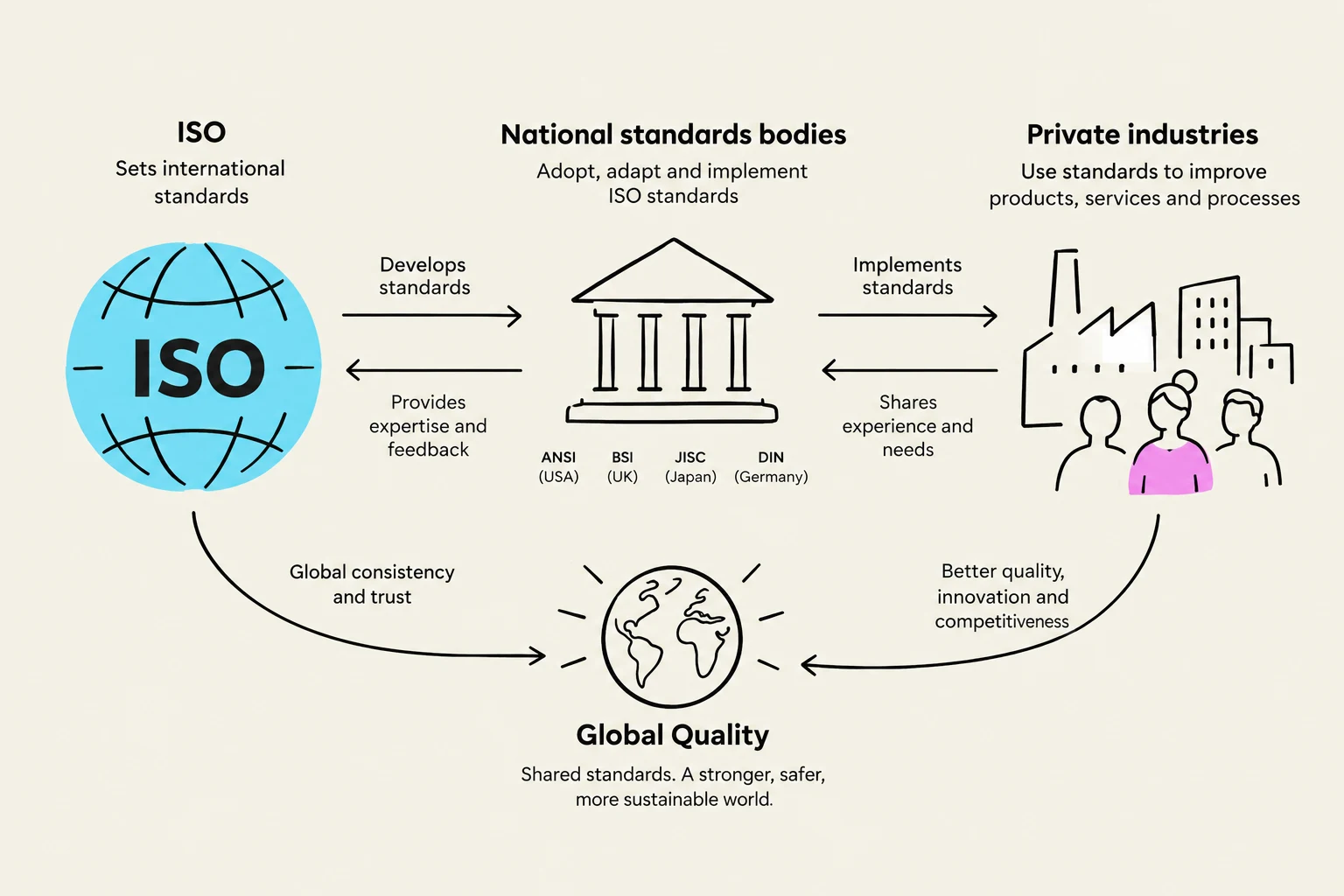
A Brief History and Global Impact
The roots of modern standardization can be traced back to the Industrial Revolution, but the formalization of international standards became critical following World War II. As global trade expanded, the need for a single, central body to coordinate technical specifications became undeniable.
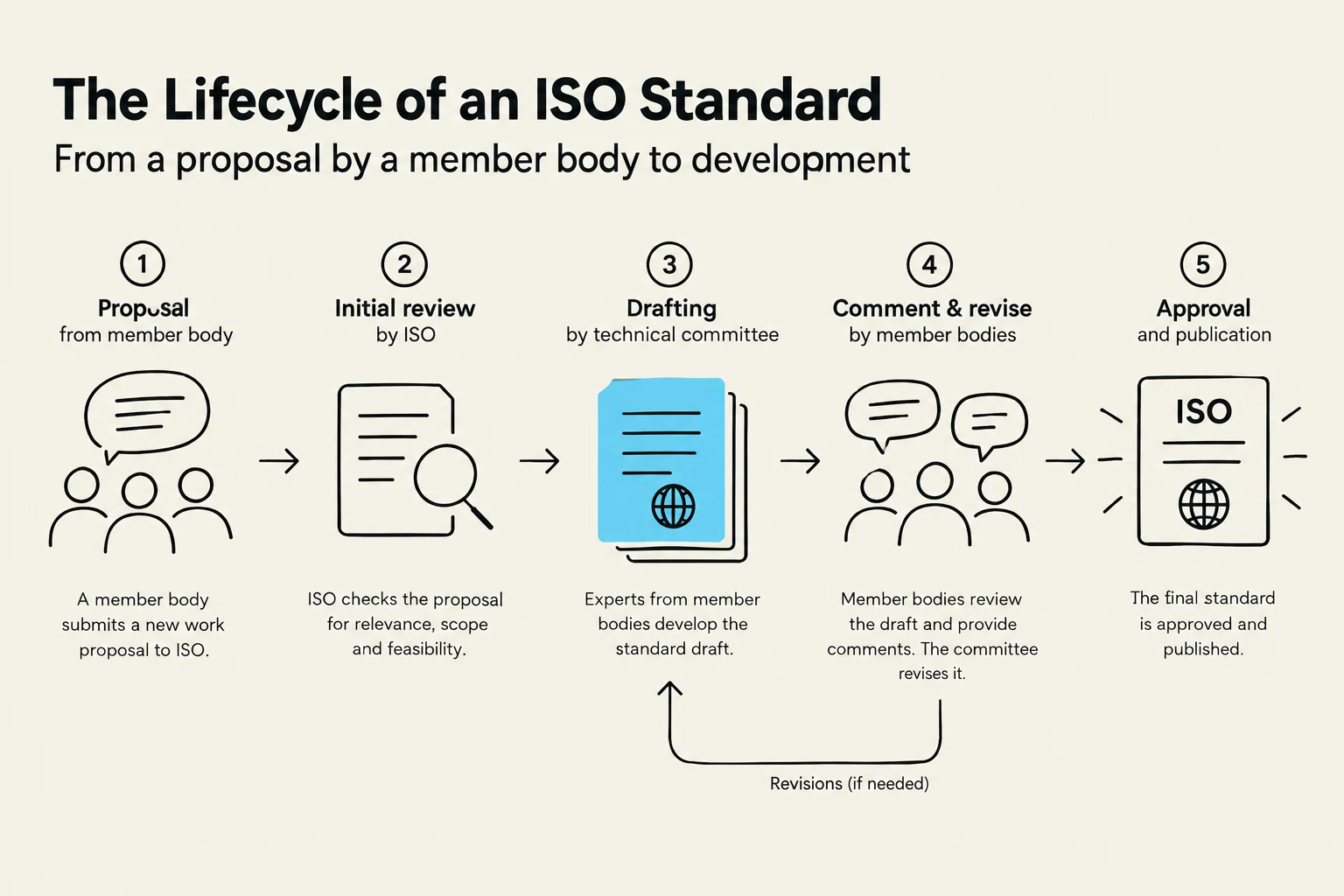
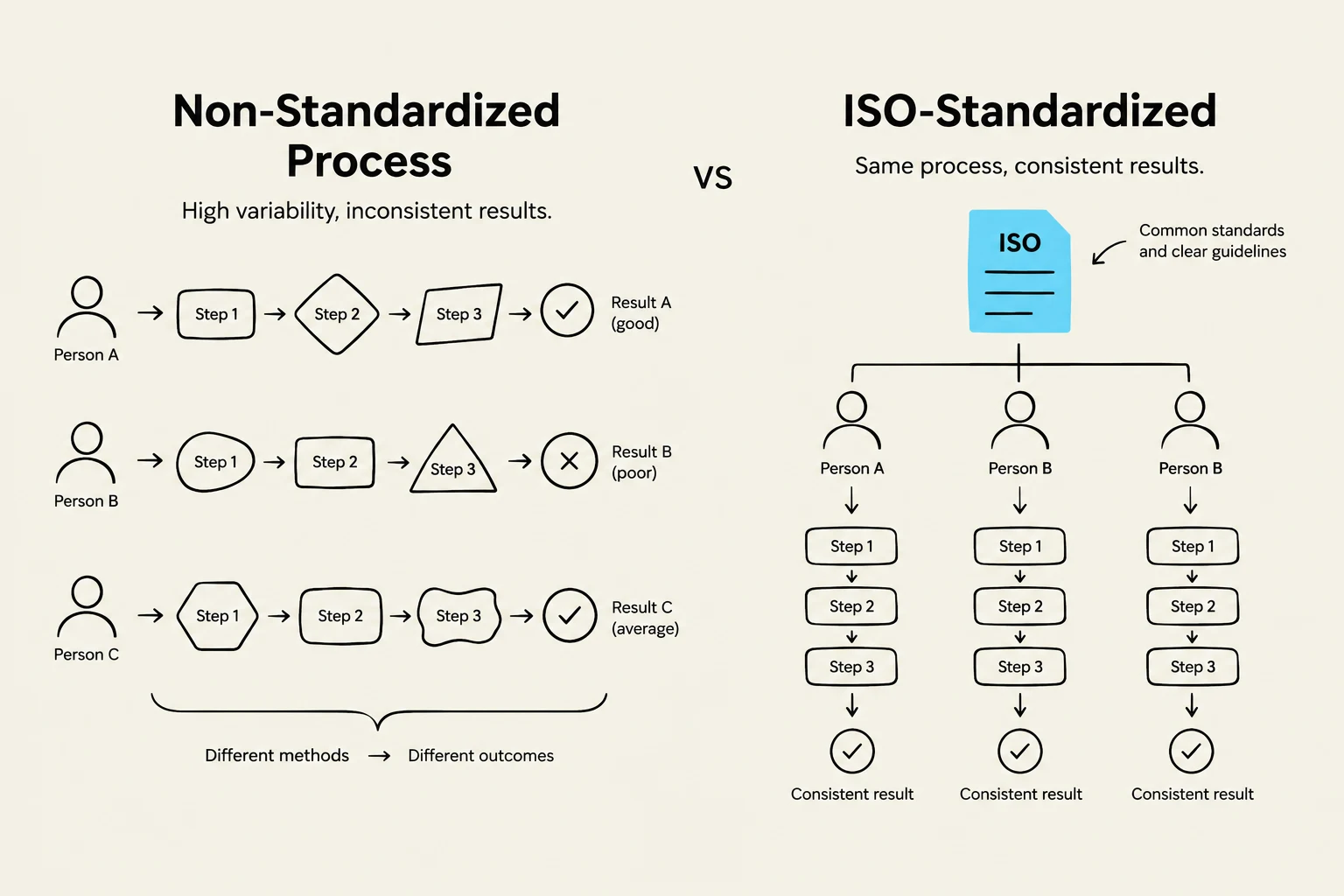
Keep reading for free.
Create an account to finish this reading and make it part of your study routine.
Continue reading freeAlready have an account? Log in
Updated