An overview of the human body's levels of organization, the distinction between anatomy and physiology, and the integrated systems that maintain health. Covers cells, tissues, organs, and body systems, as well as biochemical processes and physiological challenges like homeostasis, dehydration, and the effects of gravit
The human body is one of the most complex and marvelous possessions in existence. With billions of people living, thinking, and moving across the globe, the sheer scale of biological activity is staggering. To understand how this complexity is managed, scientists employ a "living machine" approach, viewing the body as a series of integrated systems that work in concert to maintain life. This study is fundamentally divided into two interconnected disciplines: anatomy and physiology.
Human Anatomy and Structure
Human anatomy is the study of the body's structure, focusing on how its various components—cells, tissues, and organs—are assembled. When studying anatomy, researchers often use isolated views to gain clarity, such as cutaways, cross-sections, or "exploded" views.
However, students should be careful not to view anatomical diagrams as static or empty maps. In a living person, the inside of the body is a crowded, dynamic environment. Tissues and organs are constantly pushing and pressing against one another; there is no free space or stillness. For example, the esophagus is typically pressed flat by internal chest pressure, meaning food does not simply fall into the stomach but must be forced down by muscular contractions.
Human Physiology and Function
While anatomy provides the "blueprint" or the layout of the factory, physiology describes the "action"—how the machinery actually works. Physiology is the study of the body's functions and workings.
Physiology often focuses on dynamic chemical processes occurring at the atomic, ionic, and molecular levels. It investigates complex biochemical pathways, such as:
Enzyme action: How biological catalysts speed up reactions.
Hormone stimulation: How chemical messengers trigger responses.
DNA synthesis: The process of copying genetic information.
Energy metabolism: How the body stores and utilizes energy from food.
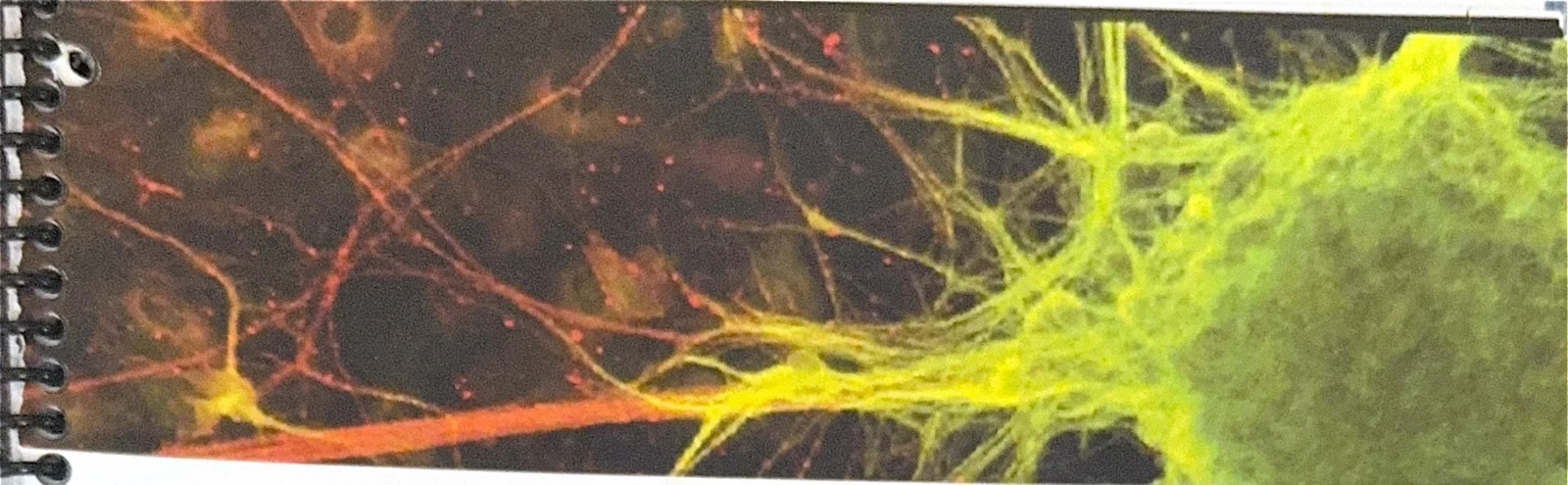
Microscopic view of neurons and their connections.
Levels of Biological Organization
The human body is organized into a strict hierarchy, moving from the simplest chemical components to the most complex integrated systems.
1. Chemical and Organelle Levels
At the most fundamental level are atoms and molecules, such as DNA. Moving inward, we find organelles, which are specialized structures located within cells that perform specific tasks.
2. The Cellular Level
Cells are the microscopic, active, and dynamic building blocks of the body. They are far from passive; they grow, specialize, function, die, and replenish themselves by the millions every second. The human body contains approximately 100 million million cells of at least 200 different kinds.
3. Tissue and Organ Levels
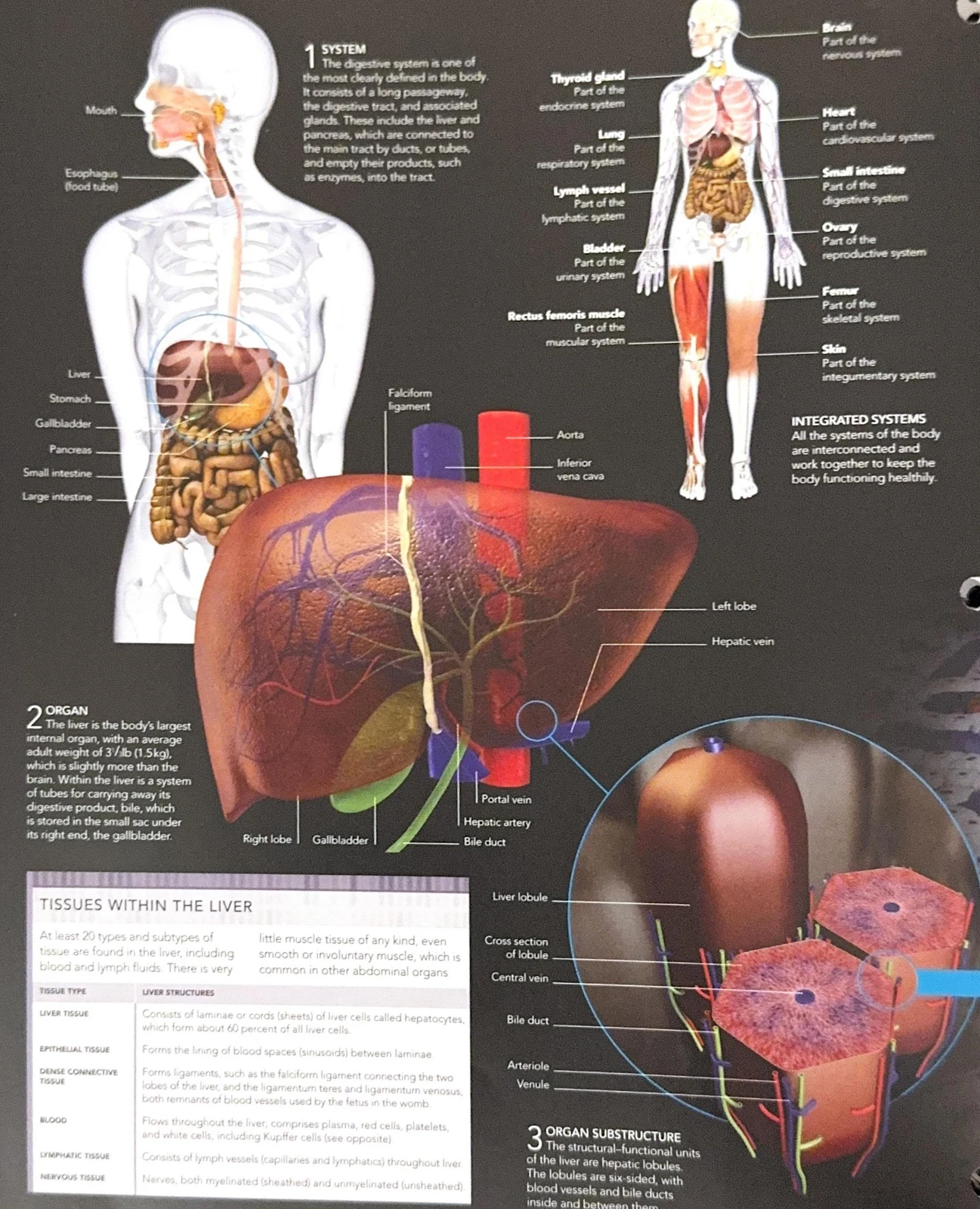
Groups of similar cells working together form tissues. When different types of tissues are assembled to perform specific, complex functions, they form an organ (such as the stomach, liver, or heart).
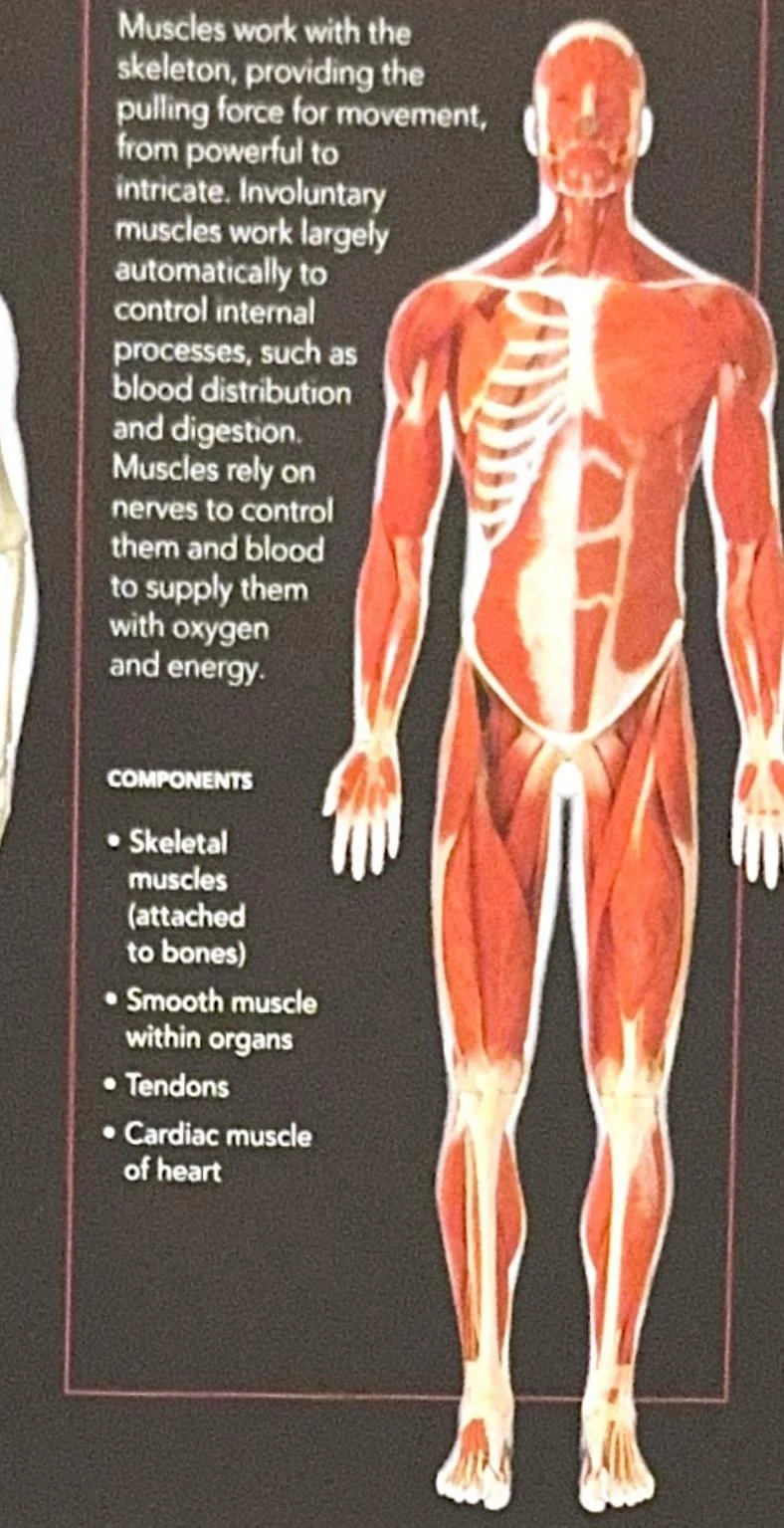
An illustration of the human muscular system, detailing its function and components including skeletal, smooth, and cardiac muscles.
4. Integrated Body Systems
A system is a group of organs that carry out a major role or task. For example, the cardiovascular system uses the heart and blood vessels to transport oxygen and nutrients to every part of the body.
This illustration details the human digestive system, highlighting the liver's anatomy and internal structure, including its tissues and lobules.
Study Tip: When studying, try to link the levels. If you are learning about the heart (an organ), ask yourself: what tissues make it up? What cells are working inside those tissues? What molecules (like ions) are moving across those cell membranes to make it beat?
Relationship Between Health and Illness
Understanding anatomy and physiology is the foundation of medical science, which aims to prevent, treat, or alleviate disease. Health is influenced by a variety of factors:
Genetics: An individual's genetic inheritance is the starting point for health. Modern science, through gene therapy and preimplantation genetic diagnosis (PGN), is working to mitigate some of these "chance" genetic elements.
Lifestyle and Environment: Diet plays a massive role, especially in developing children; both malnutrition and obesity pose significant risks. Additionally, exposure to environmental toxins and injuries can disrupt bodily functions.
Biological Disruptions: Diseases can be caused by infections (viruses or bacteria), aging, or genetic variations.
Biochemical Processes and Energy Management
The body must constantly manage its energy resources to survive. When food intake is interrupted, the body follows a specific metabolic hierarchy to maintain glucose levels for the brain and other vital organs:
Dietary Glucose: The primary, immediate source of energy.
Glycogen: Stored "animal starch" in the liver and muscles, broken down via glycogenolysis.
Fats (Lipids): Adipose tissue is split into energy-yielding products like ketones and glycerol.
Proteins: In cases of extreme starvation, amino acids from muscle tissue are used to create glucose through gluconeogenesis.
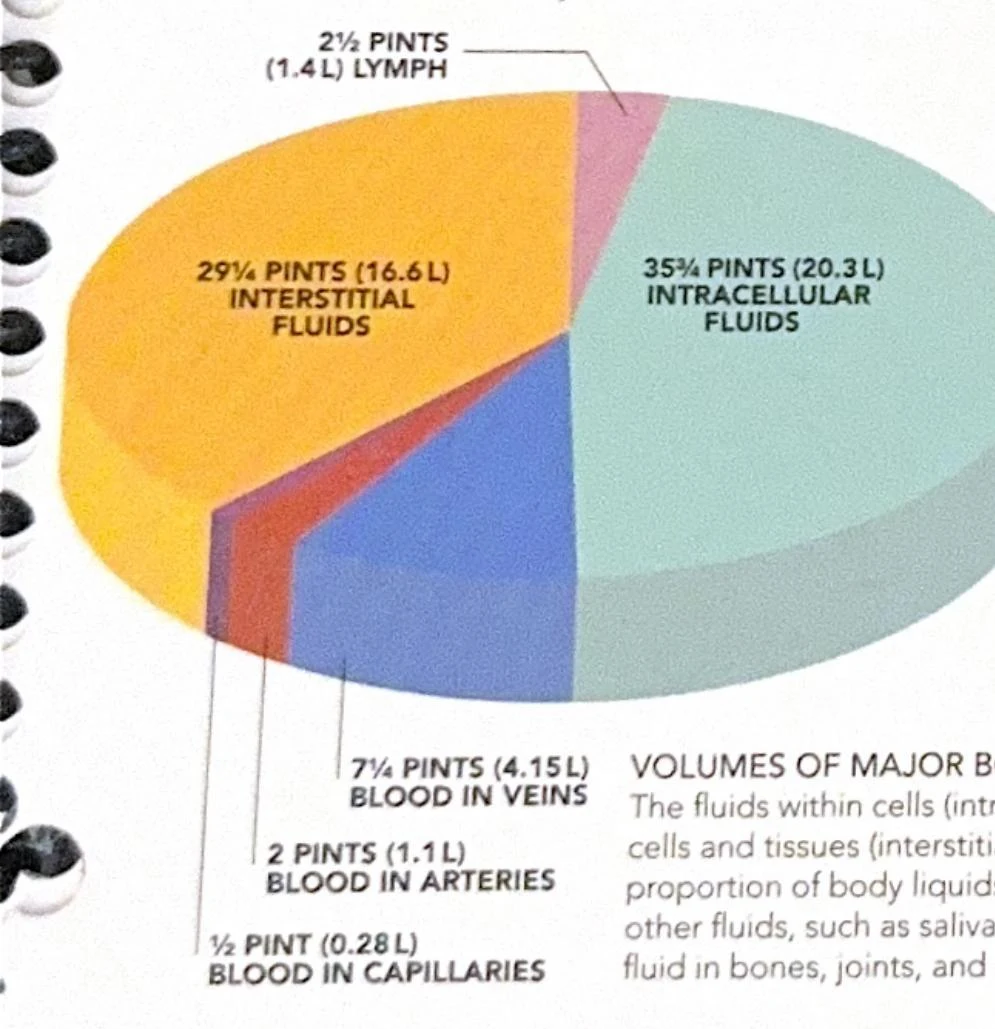
This pie chart illustrates the distribution of body fluids, including intracellular fluids, interstitial fluids, lymph, and blood in veins, arteries, and capillaries.
Physiological Challenges: Homeostasis and Extremes
The body must maintain a stable internal environment despite external changes. This is often tested by extreme conditions:
Dehydration
Water is essential for removing toxic wastes through urine. Dehydration leads to a loss of essential salts and minerals, which can disrupt nerve signaling.
Percentage Weight Loss
Effects on the Body
1–2%
Thirst, dry mouth, reduced urine output, fatigue
3–4%
Dizziness, muscle weakness, rising core temperature
5–6%
Severe headaches, muscle cramps, risk of hyperthermia
> 6%
Confusion, hallucinations, collapse, and unconsciousness
An illustration of the human body's circulatory, nervous, muscular, and urinary systems, detailing their functions and the effects of dehydration.
Pressure and Gravity
Pressure: While water-based tissues resist compression well, air-filled spaces (like lungs) are highly sensitive to pressure changes.
Gravity: The body is adapted to Earth's gravity (g force). In zero-g environments, such as space, astronauts experience "space sickness" (nausea and disorientation), and long-term exposure leads to muscle deterioration and bone mineral loss.
Circadian Rhythms and Sleep
Health is deeply tied to the quality of sleep and the regulation of hormones like melatonin. Disruptions in the pineal gland's production of melatonin can lead to fatigue, memory problems, and even hallucinations.
Keep reading for free.
Create an account to finish this reading and make it part of your study routine.