


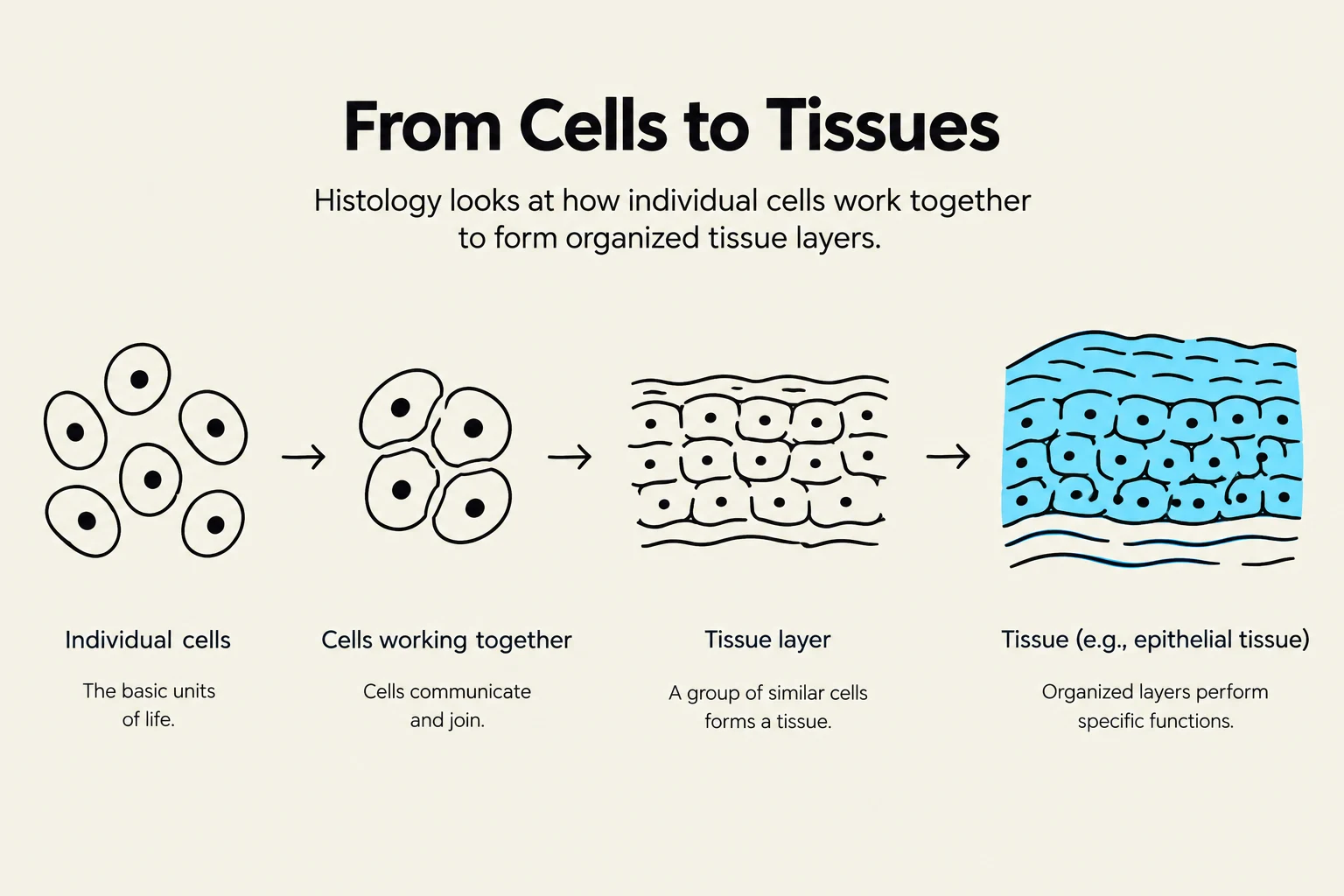
To understand how the human body functions as a complex machine, we must first look at its smallest functional components and how they group together to perform specialized tasks. In the biological sciences, this investigation is divided into two fundamental disciplines: cytology and histology. While they are closely related, they operate at different scales of biological organization.
The Foundation: Cytology
Cytology is the branch of biology concerned with the study of individual cells. The cell is widely recognized as the basic structural and functional unit of all living organisms. When we study cytology, we are looking at the internal architecture of these units—examining how organelles work, how the cell membrane regulates transport, and how genetic material is organized within the nucleus.
By understanding the cell, scientists can pinpoint how specific diseases, such as cancer, begin at a microscopic level. In a healthy state, cells follow strict protocols for growth and division; in a pathological state, these cellular processes malfunction.

Study Tip: Think of cytology as studying the "individual bricks" of a building. If you want to know why a building is unstable, you might first check if the individual bricks are cracked or made of poor material.

Keep reading for free.
Create an account to finish this reading and make it part of your study routine.
Continue reading freeAlready have an account? Log in
Updated