


Introduction to Fire Alarm Systems
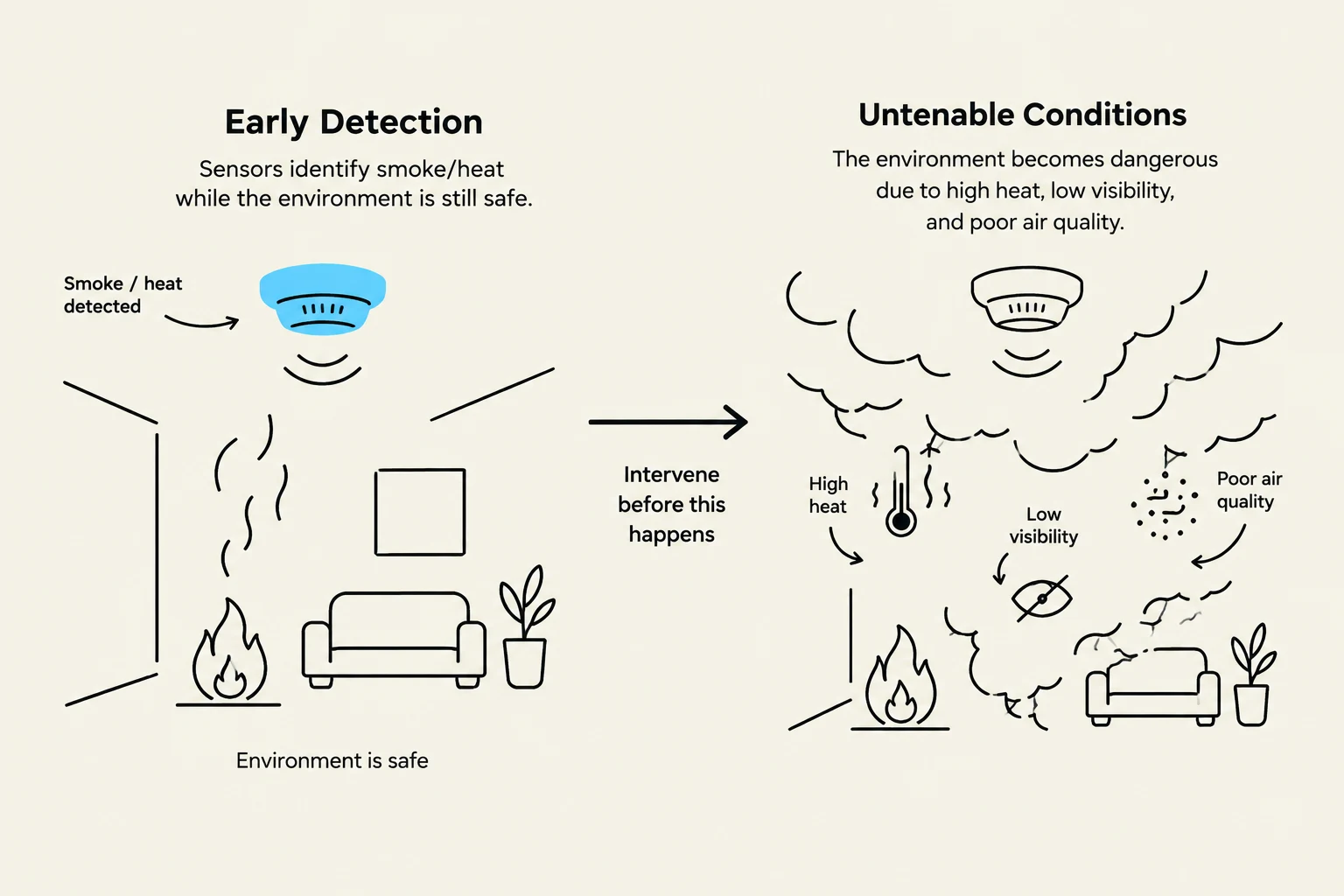
Fire alarm systems are specialized life-safety tools designed to protect occupants within a building during an emergency. Rather than simply reacting to a fire that has already consumed a space, these systems are engineered to identify the early physical indicators of combustion. By following the regulatory standards set forth in the 2023 National Electrical Code (NEC), these systems provide the critical time needed for safe evacuation.
The Concept of Life-Safety Protection
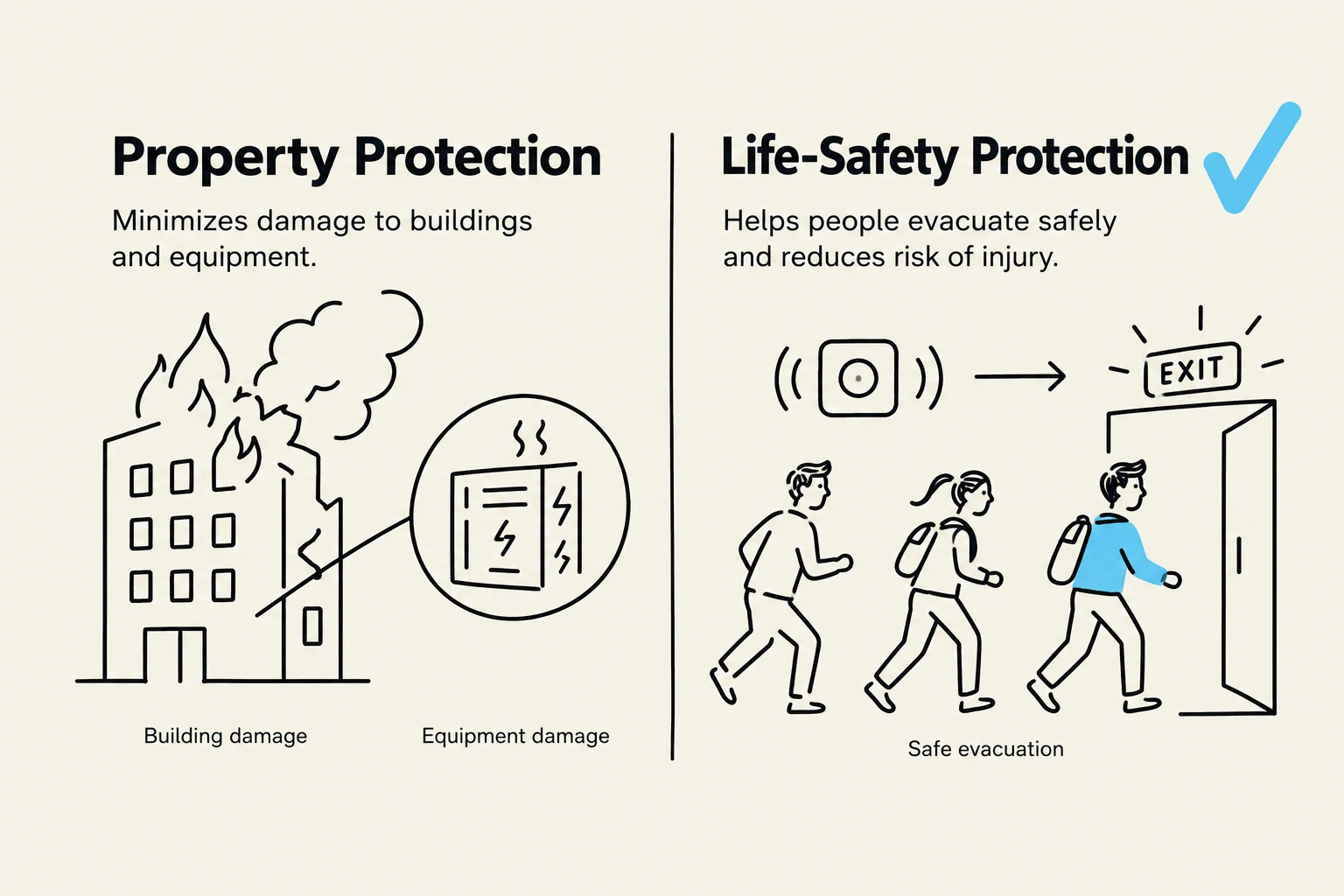
The primary functional goal of a fire alarm system is categorized as life-safety protection. This concept is rooted in the principle of early detection. The system's objective is to alert occupants to a hazard before the environment reaches an untenable state.
An "untenable" condition refers to the critical threshold where the environment becomes too dangerous for a human to remain safely in a space. This includes loss of visibility, extreme temperatures, or the degradation of breathable air quality.

Keep reading for free.
Create an account to finish this reading and make it part of your study routine.
Continue reading freeAlready have an account? Log in
Updated