


Endocrine physiology is the study of how the body uses chemical messengers, known as hormones, to communicate and maintain homeostasis. Unlike the nervous system, which uses electrical impulses for rapid, localized communication, the endocrine system uses hormones released into the bloodstream to broadcast signals throughout the entire body. While this "broadcast" method is slower than neural signaling, it allows for long-distance communication that can influence almost every tissue in the organism.
The Three Chemical Classes of Hormones
A hormone's chemical structure is its most important characteristic because it dictates how the hormone travels through the blood, where its receptor is located, and how quickly it acts on a target cell. Every hormone can be categorized into one of three primary classes:
1. Steroid Hormones (Cholesterol-Based)
Steroid hormones are derived from cholesterol. Because they are built from lipids, they are lipophilic (oil-loving). This chemical nature allows them to pass directly through the lipid bilayer of cell membranes. Common examples include:
- Testosterone and Estrogen: Involved in reproductive cycles.
- Progesterone: Regulates the female reproductive cycle.
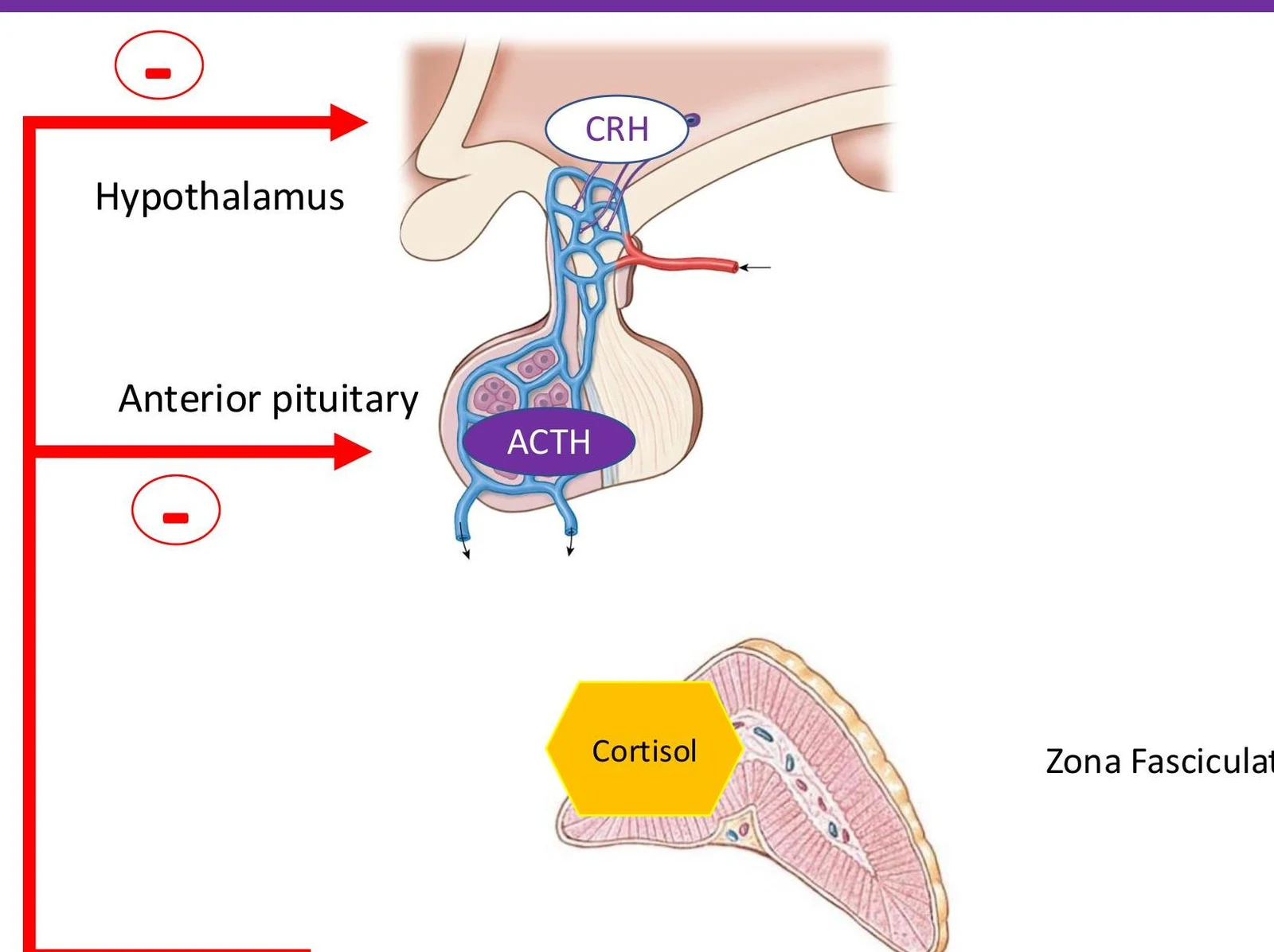
- Cortisol: Manages inflammation and energy generation.
2. Protein and Peptide Hormones (Amino Acid-Based)
These hormones are built from chains of amino acids. Unlike steroids, these are generally hydrophilic (water-loving). Because they dissolve well in water, they can travel through the blood without needing a carrier, but they cannot easily cross the fatty cell membrane.
Examples include:
- Insulin and Glucagon: Regulate blood sugar.
- Oxytocin: Often referred to as the "love hormone".
- Luteinizing Hormone (LH): Essential for ovulation.
3. Amine Hormones (Tyrosine-Based)
Amine hormones are small molecules built from the single amino acid tyrosine. This class is unique because it contains hormones with very different properties. For example, Thyroxin (thyroid hormone) is lipophilic and behaves more like a steroid, while Epinephrine (adrenaline) is hydrophilic and behaves more like a protein hormone.
Keep reading for free.
Create an account to finish this reading and make it part of your study routine.
Continue reading freeAlready have an account? Log in
Updated