


Life is built upon a foundation of organic chemistry. To understand how biological systems function, we must first understand the four essential organic compounds that make up all living things: carbohydrates, lipids, proteins, and nucleic acids. These molecules are composed of specific combinations of atoms—primarily carbon, hydrogen, and oxygen—that allow them to perform diverse roles ranging from energy storage to structural support and information management.
The Four Essential Organic Compounds
Every living organism relies on a specific toolkit of macromolecules. While they all share carbon as a central building block, their varying atomic compositions dictate their unique biological functions.
| Organic Compound | Atoms Involved | Primary Function |
|---|---|---|
| Carbohydrates | Carbon, Hydrogen, Oxygen | Energy reserves and structural components |
| Lipids | Carbon, Hydrogen, Oxygen (low concentration) | Membranes, signaling, and energy storage |
| Proteins | Carbon, Hydrogen, Oxygen, Nitrogen (sometimes Sulfur) | Body function, structure, and regulation |
| Nucleic Acids | Carbon, Hydrogen, Oxygen, Nitrogen, Phosphorus | Storing information for protein synthesis |
Carbohydrates: Energy and Structure
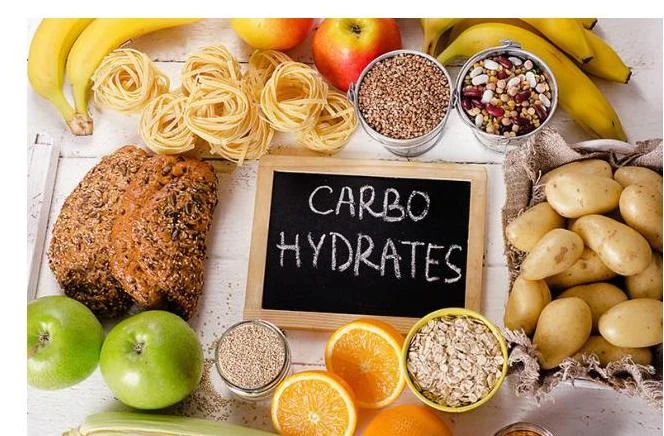
Carbohydrates are organic compounds composed of carbon, hydrogen, and oxygen. The name itself reflects its chemical nature, relating to the ratio of carbon to water. These molecules are incredibly versatile; they can serve as immediate fuel for cellular processes or form the rigid walls that support plant life.
Monosaccharides: The Building Blocks
The simplest form of a carbohydrate is a single sugar molecule known as a monosaccharide. These are the monomers that link together to form more complex carbohydrates.
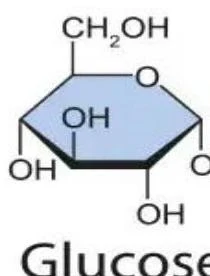
Monosaccharides are often classified by the number of carbon atoms they contain (e.g., a pentose has 5 carbons, while a hexose has 6) and the position of their carbonyl group (). For example, if the carbonyl group is at the end of the chain, it is an aldose; if it is within the chain, it is a ketose.
Keep reading for free.
Create an account to finish this reading and make it part of your study routine.
Continue reading freeAlready have an account? Log in
Updated