


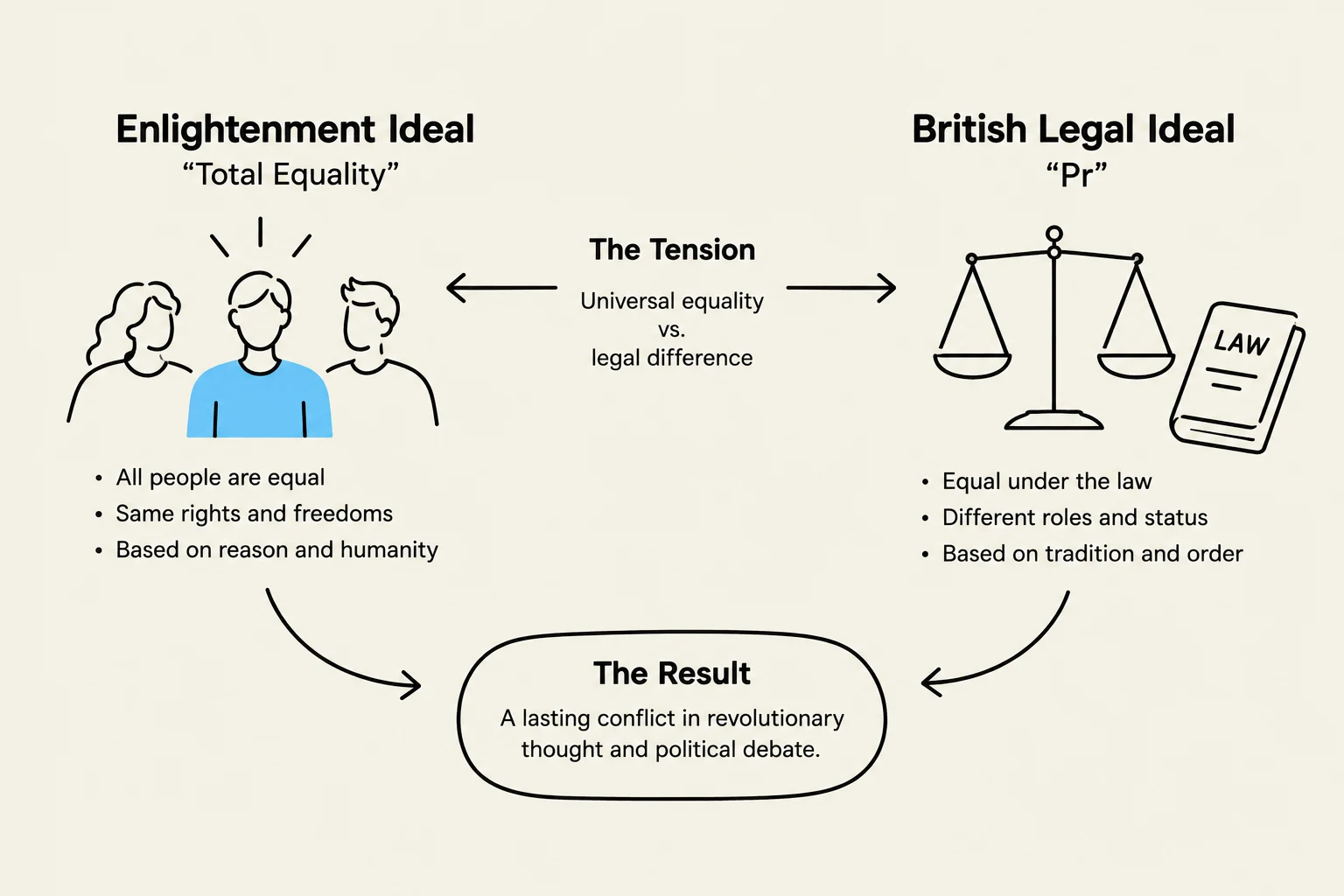
The transition from absolute monarchy to modern democratic governance was not a sudden accident of history, but rather the result of a profound shift in how humans perceived power, law, and individual agency. At the heart of this transformation lay two distinct yet complementary intellectual currents: the radical philosophical inquiries of the French Enlightenment and the practical, legalistic precedents established by the British Bill of Rights. Together, these influences provided the conceptual toolkit necessary for revolutionaries to dismantle old regimes and attempt the construction of new, rights-based societies.
The French Enlightenment: Reason and the Social Contract
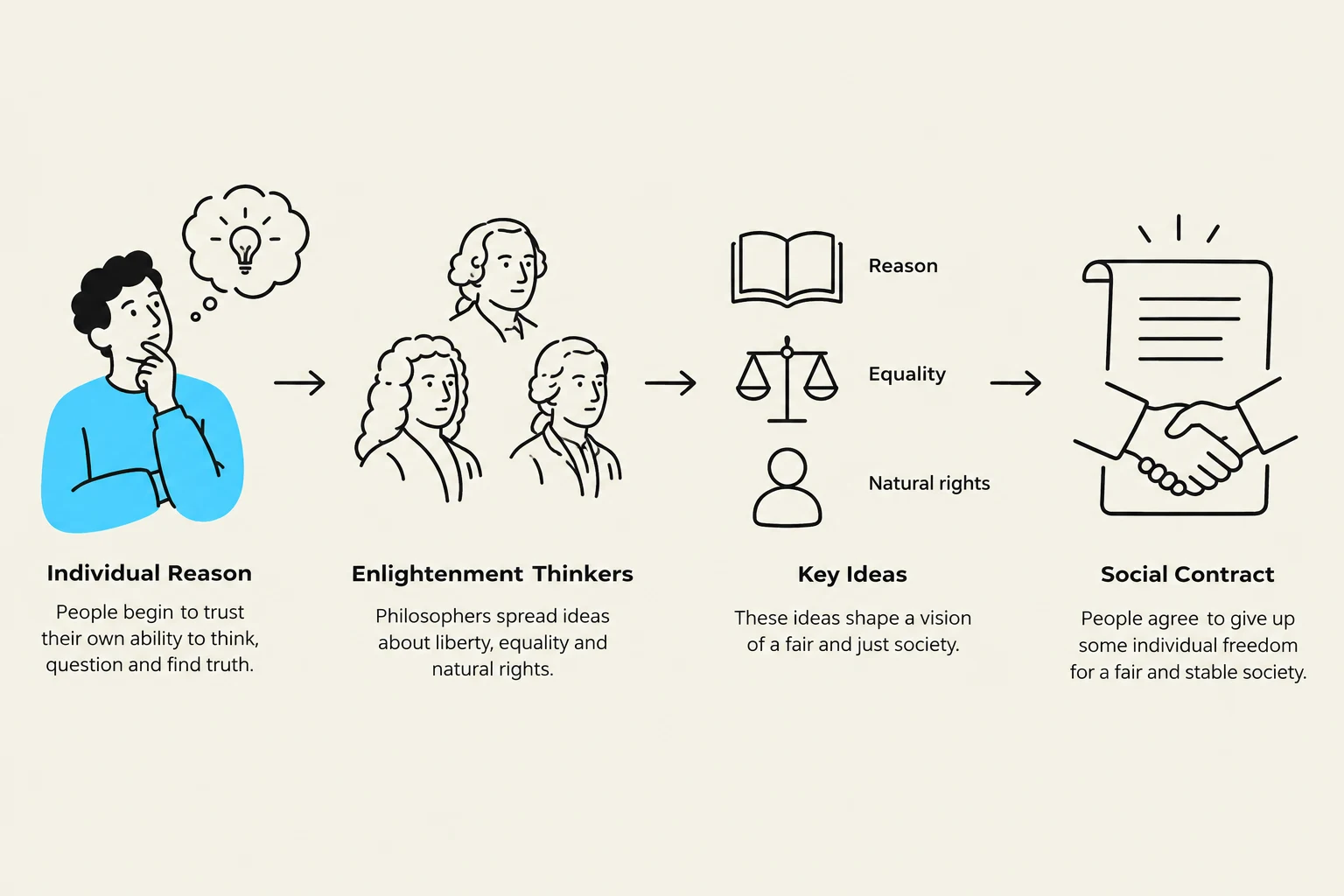
The French Enlightenment, or the Siècle des Lumières, introduced a paradigm shift by prioritizing human reason over tradition, religious dogma, and the "divine right" of kings. Philosophers of this era argued that the universe operated according to natural laws that could be understood through observation and logic.
Central to this movement was the concept of the Social Contract. Rather than viewing authority as a gift from God to a monarch, Enlightenment thinkers proposed that political legitimacy derives from the consent of the governed. If a government fails to protect the natural rights of its citizens, the people possess a moral right—and perhaps a duty—to overthrow it.
Key philosophical pillars included:
- Rationalism: The belief that reason is the primary source of knowledge and the best tool for social reform.
- Secularism: The push to separate religious institutions from state governance.
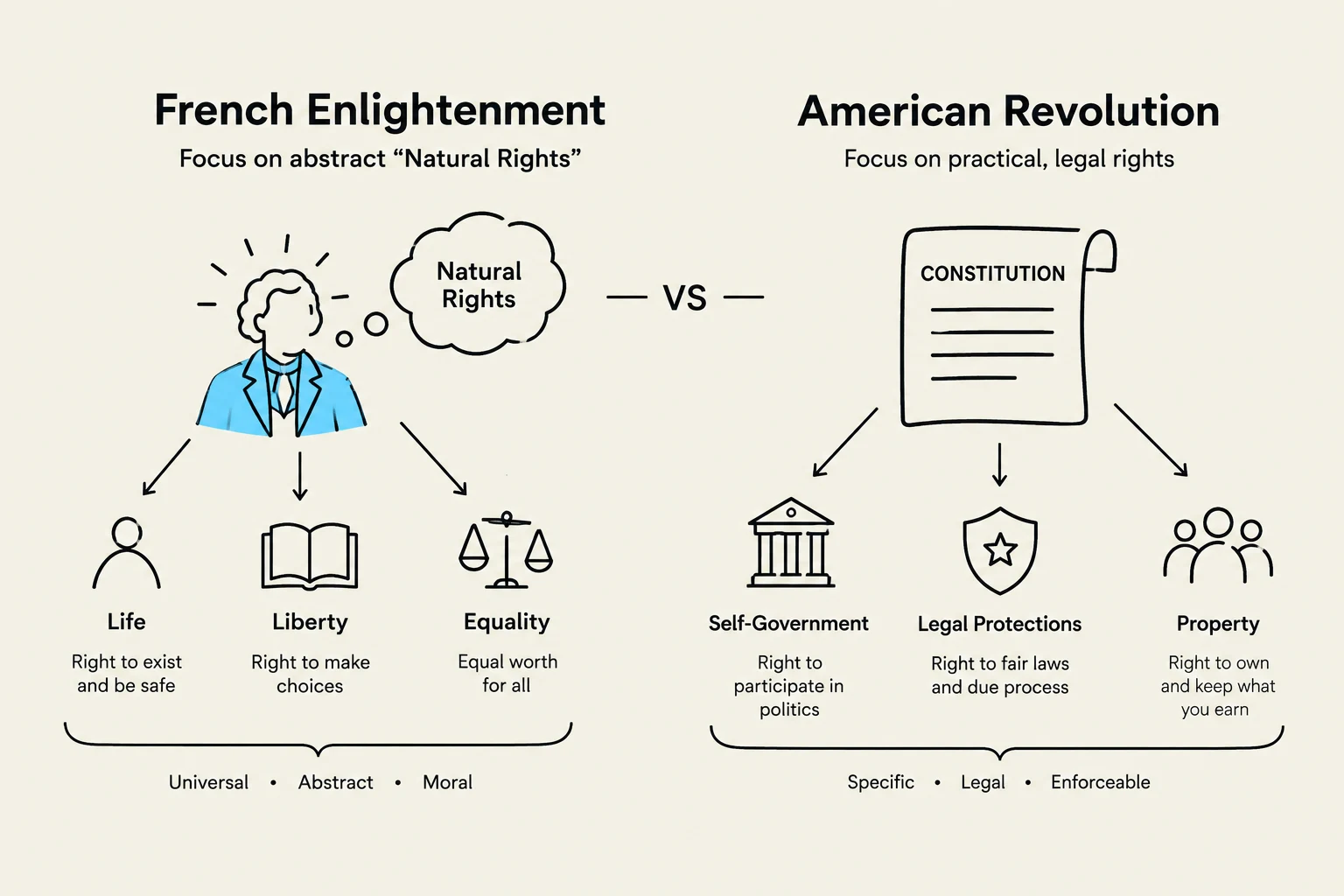
- Universalism: The idea that certain rights (liberty, equality, property) are inherent to all human beings, regardless of social status.
Keep reading for free.
Create an account to finish this reading and make it part of your study routine.
Continue reading freeAlready have an account? Log in
Updated