


The birth of sociology was not a singular event, but rather a complex response to a world in upheaval. During the nineteenth and early twentieth centuries, Western society underwent massive transformations driven by political revolutions, the Industrial Revolution, and rapid urbanization. As traditional ways of life collapsed, thinkers began to ask fundamental questions: What holds society together? Why is there chaos? How do we understand the laws governing human interaction?
The answers to these questions were shaped by a profound tension between two opposing intellectual currents: the Enlightenment and the Counter-Enlightenment (or conservative reaction). This article explores how these competing forces merged to create the foundation of classical sociological theory.
The Enlightenment: Reason and the Scientific Method
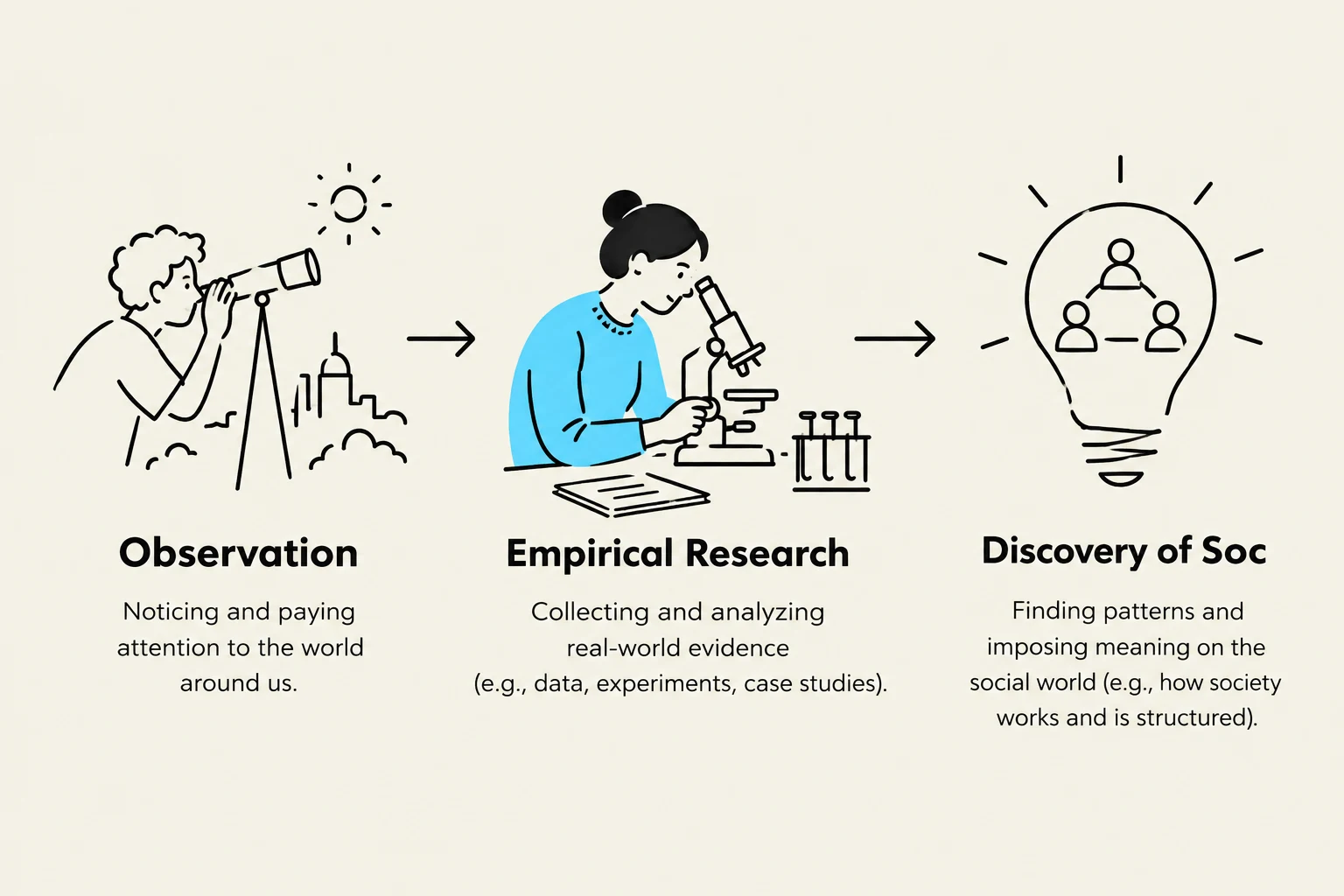
The Enlightenment was a period of remarkable intellectual change that emphasized the power of human reason. Influenced by the successes of Newtonian physics, Enlightenment thinkers believed that the universe operated according to predictable natural laws. They extended this logic to the human world, suggesting that if we applied the scientific method—systematic observation and empirical research—we could discover the "social laws" that govern human behavior.
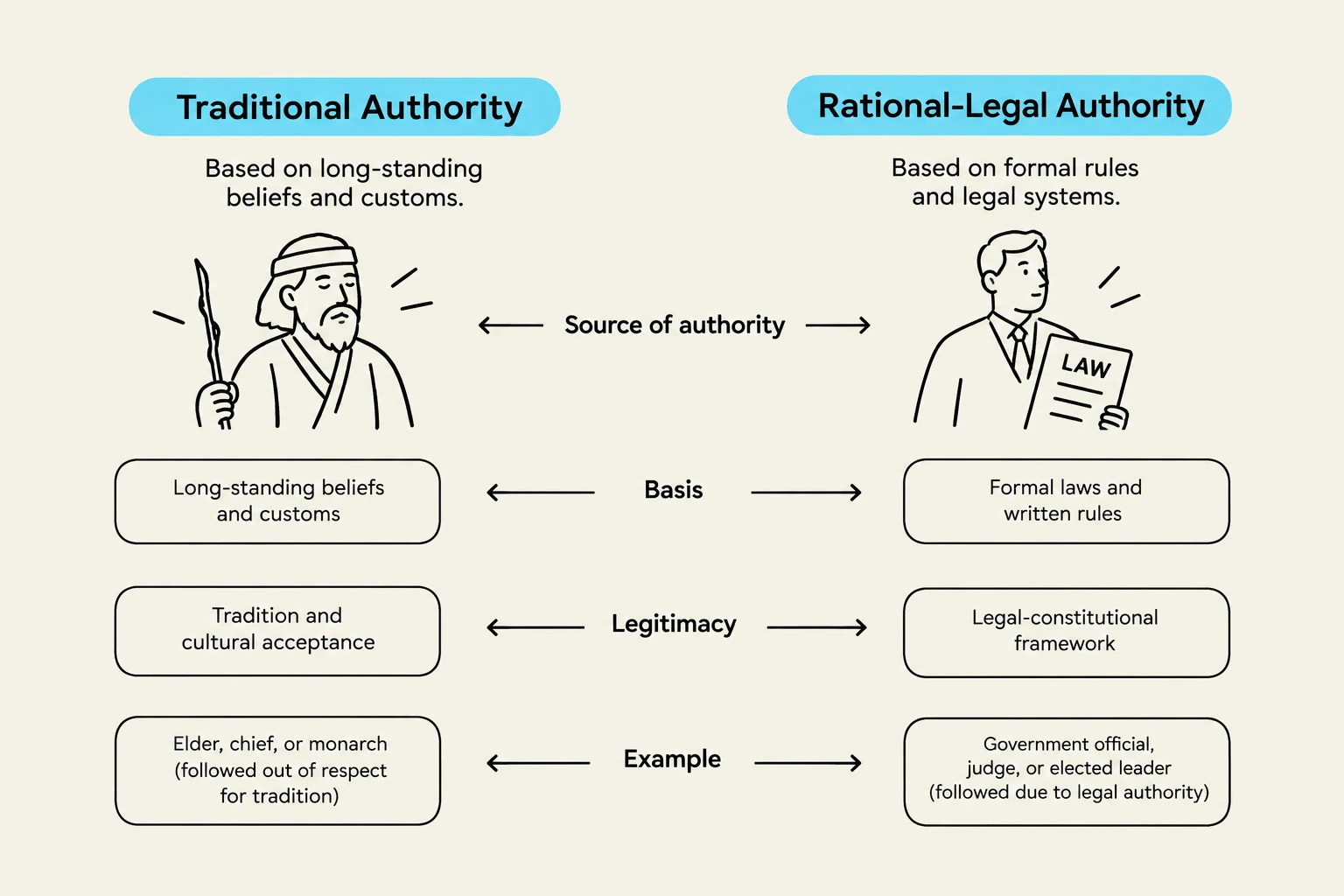
This movement was characterized by a commitment to rationalism, the belief that reason is the primary source of knowledge. Enlightenment philosophers sought to use this rationality to challenge "irrational" traditional authorities, such as absolute monarchies or unquestioned religious dogmas, with the goal of creating a more progressive and better society.
Exam Tip: When discussing the Enlightenment in a sociological context, focus on its "change-oriented" nature. It viewed society as something that could be understood, managed, and improved through scientific inquiry.
Keep reading for free.
Create an account to finish this reading and make it part of your study routine.
Continue reading freeAlready have an account? Log in
Updated