


In the complex landscape of healthcare, the speech-language pathologist (SLP) occupies a unique and vital position. Far from being just "speech teachers," these professionals are highly trained experts who navigate the intricate intersection of communication, cognition, and swallowing. To be an effective expert, an SLP cannot rely on a single skill in isolation; instead, they must function as a central hub, integrating diverse competencies to assess, diagnose, and provide evidence-based interventions that improve the quality of life for their clients.
The Core Pillars of Clinical Practice
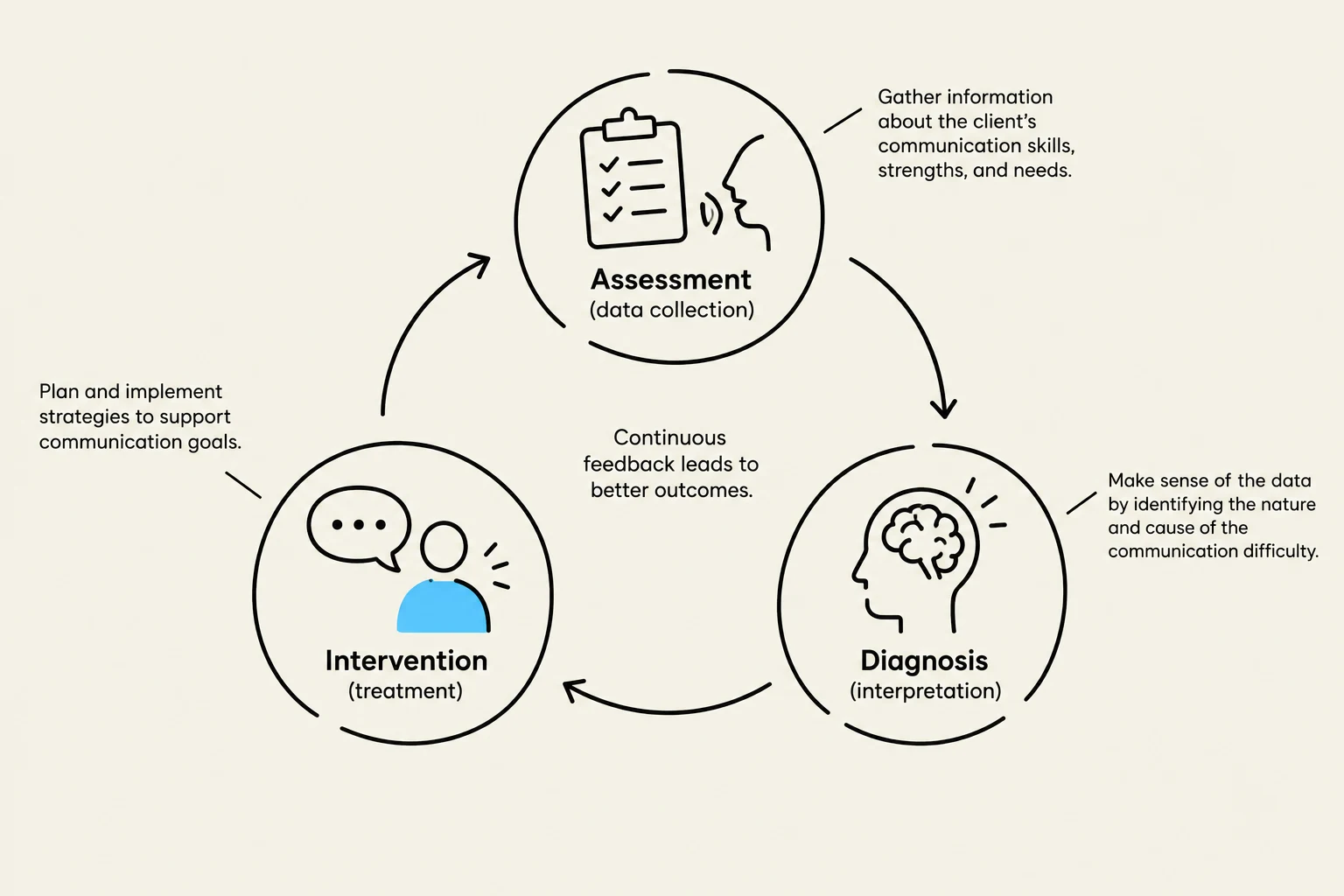
The role of the speech pathology expert is built upon a foundation of three interconnected processes: assessment, diagnosis, and intervention. While these may seem like linear steps, they are actually a continuous, iterative cycle that requires constant clinical reasoning.
- Assessment: This is the investigative phase. The expert uses standardized tests, clinical observations, and client interviews to gather data regarding communication or swallowing functions.
- Diagnosis: Once data is collected, the expert must interpret it. Diagnosis is not merely labeling a condition (e.g., "Aphasia"); it is the process of determining the nature, severity, and impact of the impairment on the individual's life.
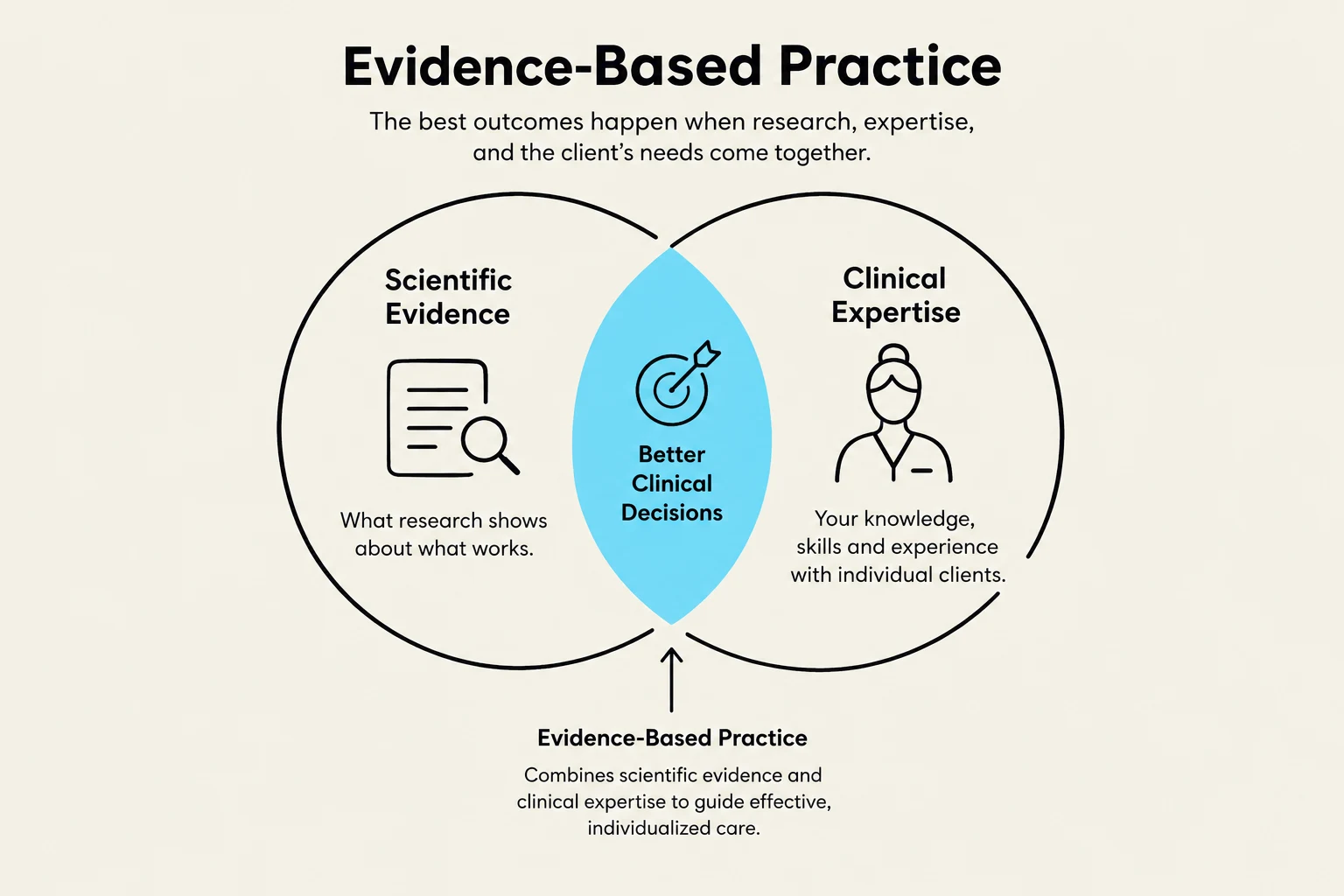
- Intervention: Based on the diagnosis, the expert designs and implements evidence-based treatment plans. This involves selecting strategies that are scientifically proven to be effective for the specific profile of the client.
Exam Tip: When asked to differentiate between assessment and diagnosis, remember that assessment is the method of gathering information, whereas diagnosis is the conclusion drawn from that information.
Keep reading for free.
Create an account to finish this reading and make it part of your study routine.
Continue reading freeAlready have an account? Log in
Updated