


Beyond Detection: The Integrated Role of Modern Fire Alarm Systems
When most people think of a fire alarm, they imagine a loud siren and flashing lights designed to warn occupants that smoke or heat has been detected. While detection and warning remain the core pillars of life safety, modern fire alarm and signaling systems have evolved into much more sophisticated technology.
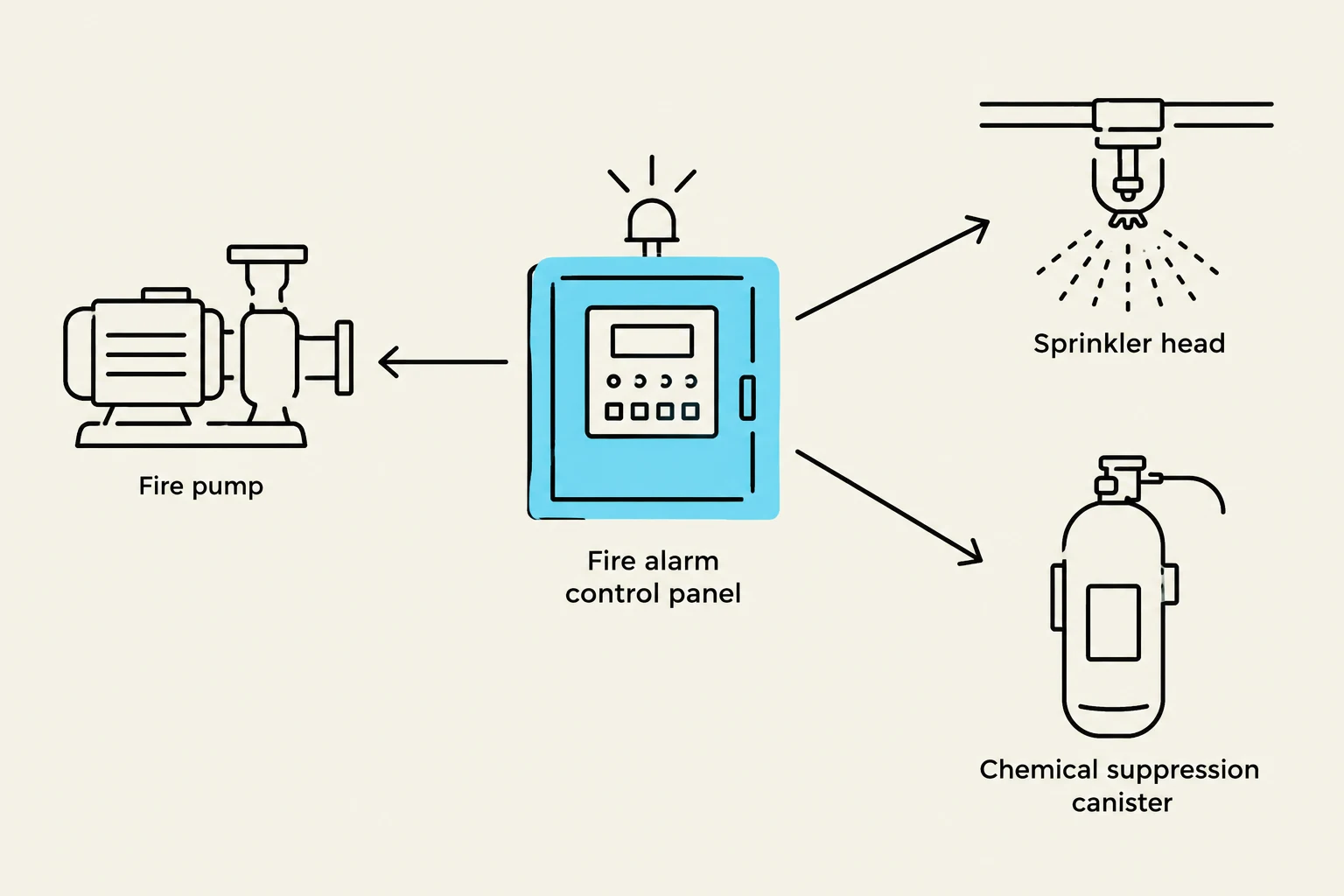
Today, these systems act as central management hubs. They do not just "shout" when there is a fire; they actively communicate with and control various other mechanical and electrical infrastructures within a building to coordinate a comprehensive emergency response.
Managing Fire Suppression and Water Supply
One of the most critical roles of a fire alarm system is its ability to interface with the equipment designed to fight the fire itself.
Suppression Systems
Fire alarm systems are used to coordinate the activation of suppression systems. This includes the release of water through sprinklers or the deployment of chemical agents designed to combat specific types of fires. By integrating these systems, the building can move from mere detection to active mitigation in a matter of seconds.
Keep reading for free.
Create an account to finish this reading and make it part of your study routine.
Continue reading freeAlready have an account? Log in
Updated