


Effective management of diabetes, particularly Type 1 diabetes where the pancreas is unable to produce sufficient insulin, requires a sophisticated understanding of insulin pharmacology, delivery devices, and dosing mathematics. Because insulin is a potent hormone that can be lethal if mismanaged, clinicians and patients must master the nuances of subcutaneous delivery and glycemic monitoring to avoid life-threatening complications like severe hypoglycemia.
Essential Equipment and Monitoring
Successful insulin therapy begins with the correct tools for monitoring blood glucose and delivering the medication.
Blood Glucose Monitoring
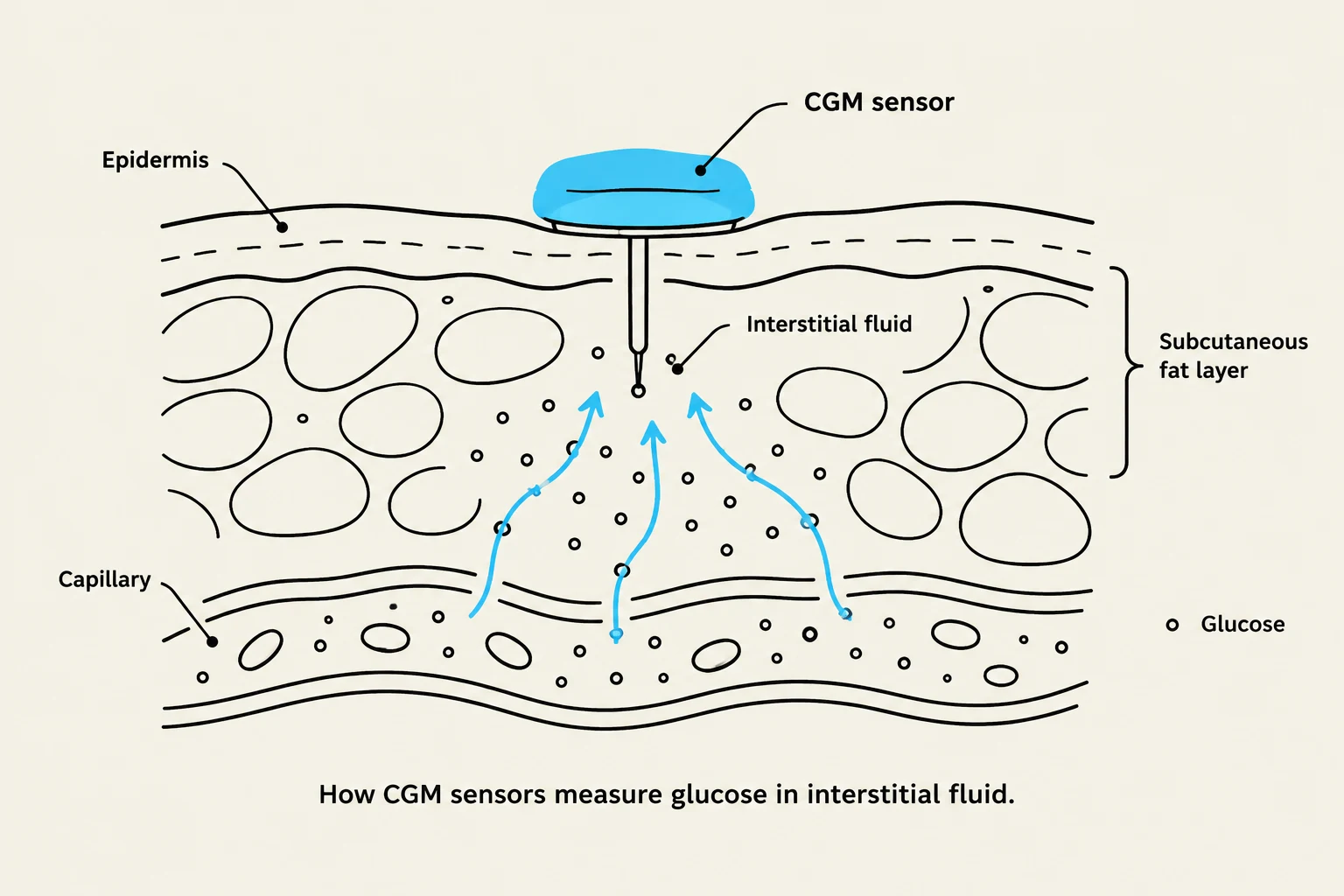
- Glucometer (SMBG): Self-Monitoring of Blood Glucose via finger-prick testing. This remains the most accurate method for immediate readings.
- Flash Glucose Monitoring (e.g., Freestyle Libre): These sensors are applied to the subcutaneous (SubQ) tissue and measure glucose in the interstitial fluid. While convenient, they may have a 15-minute lag time compared to blood glucose and require periodic scanning to prevent data deletion.
- Continuous Glucose Monitor (CGM) (e.g., Dexcom): The "gold standard" for many, providing constant data streams to a receiver or smartphone without the need for manual scanning.
Injection Supplies
When preparing for an injection, the following supplies are essential:
- Lancing Device: Used with a lancet to obtain blood for the glucometer. Modern devices offer multiple depth settings to help reduce pain.
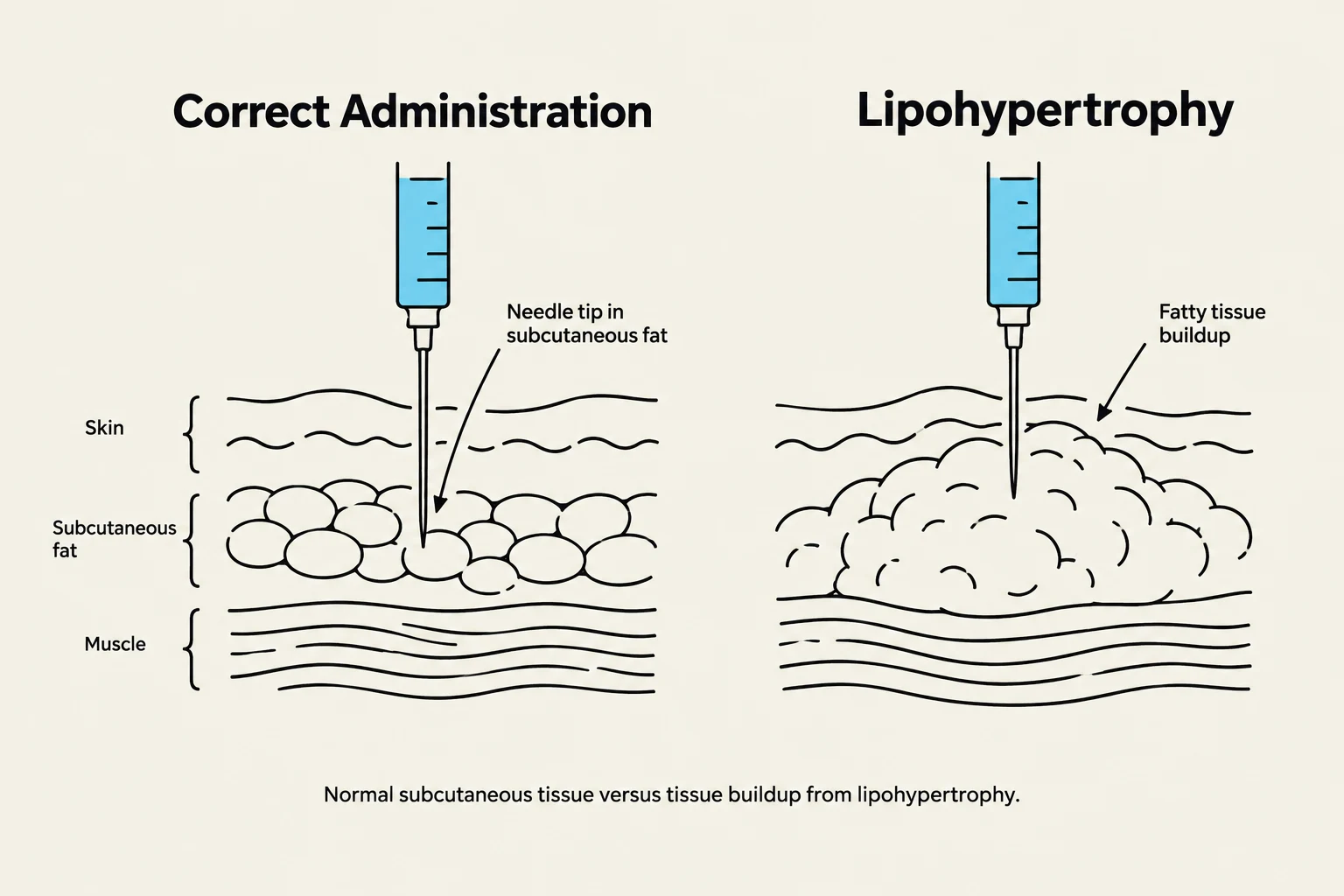
- Insulin Pens and Needles: For those using insulin pens, needle length is critical. 4-5mm needle tips are preferred to ensure the insulin is delivered into the subcutaneous tissue rather than the muscle (IM). Delivering insulin into the muscle can cause unpredictable absorption and backflow.
- Sharps Container: Essential for the safe disposal of all used needles and lancets.
Keep reading for free.
Create an account to finish this reading and make it part of your study routine.
Continue reading freeAlready have an account? Log in
Updated