


Understanding the mechanics of the urinary bladder is essential for grasping how the human body manages waste excretion. At the center of this process is a sophisticated coordination between smooth muscle contraction and neurological signaling. To master this topic, one must understand the relationship between the bladder wall, the sphincters that control flow, and the specific branches of the nervous system that command them.
The Detrusor Muscle: The Engine of Micturition
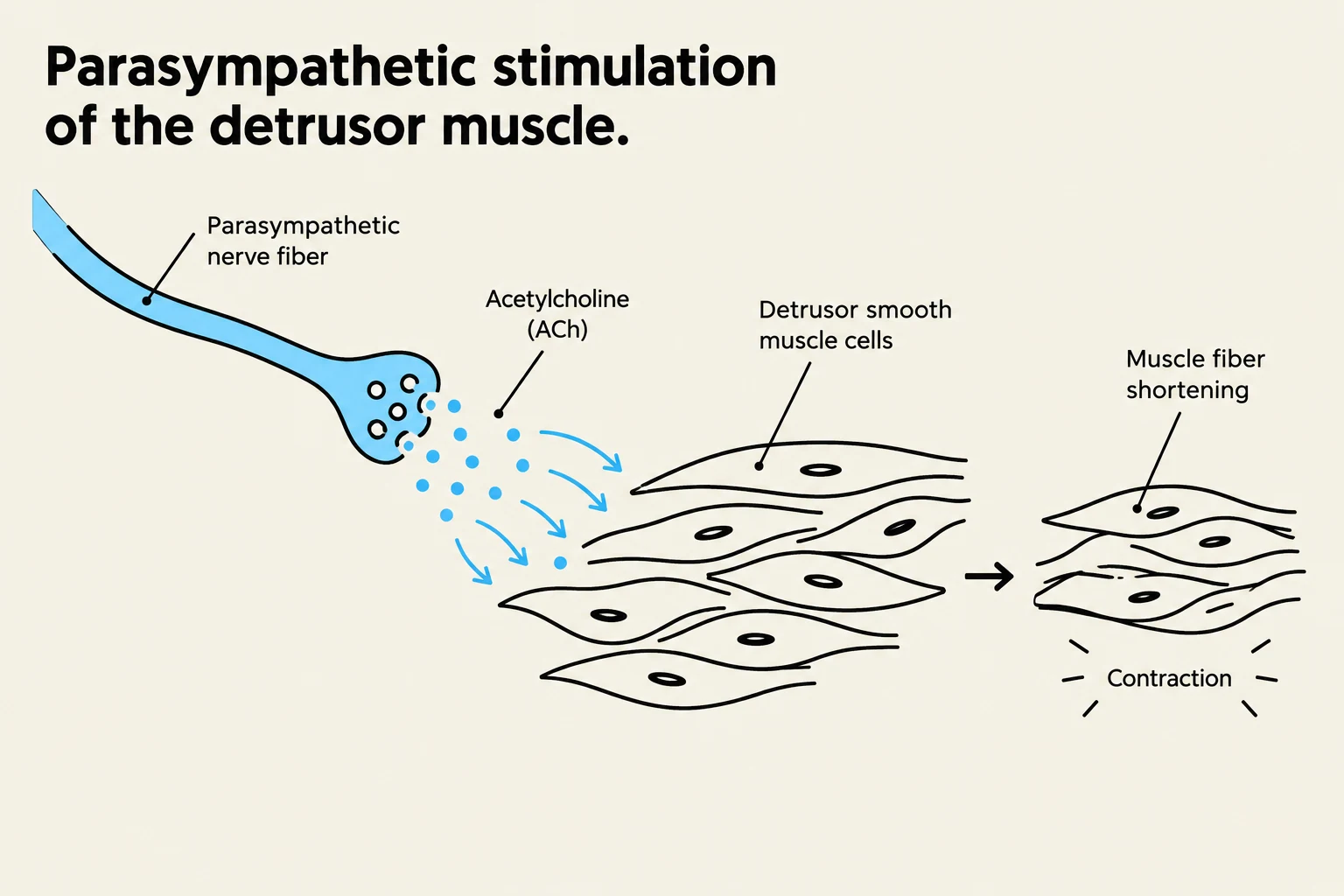
The detrusor muscle is a specialized layer of smooth muscle that forms the wall of the urinary bladder. Unlike skeletal muscle, which is under voluntary control, the detrusor is composed of smooth muscle, meaning its movements are primarily involuntary and regulated by the internal systems of the body.
The primary physiological role of the detrusor muscle is to manage the two main phases of bladder function:
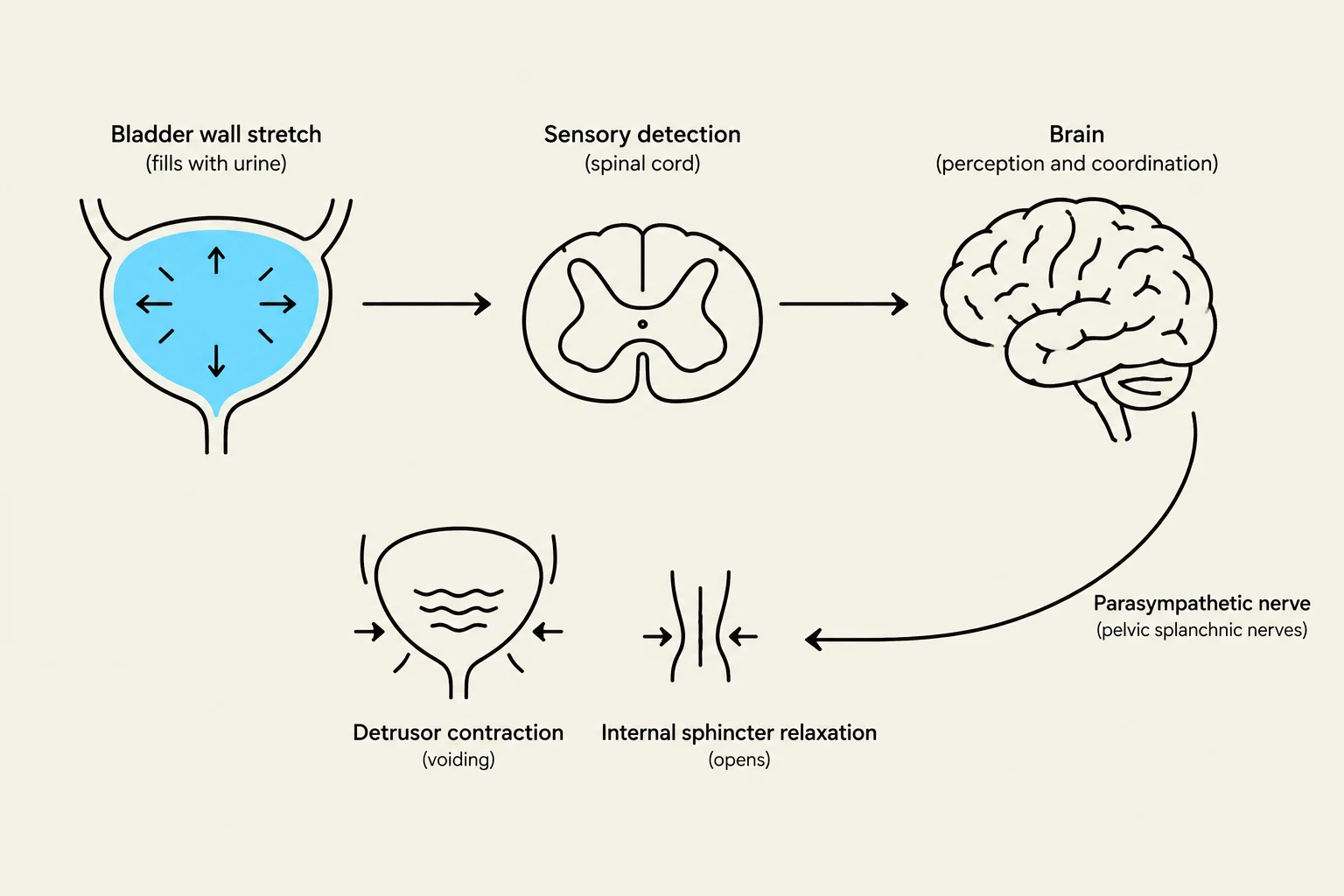
- Filling Phase: The muscle remains relaxed to allow the bladder to expand and accommodate increasing volumes of urine.
- Voiding (Micturition) Phase: The muscle contracts to increase intravesical pressure (the pressure inside the bladder), which is necessary to expel urine through the urethra.
Anatomical Context: The Internal Urethral Sphincter
To understand how urine is controlled, we must look at the anatomical arrangement at the base of the bladder. The detrusor muscle does not act in isolation; it surrounds the internal urethral sphincter.
The relationship between these two structures is a classic example of biological coordination:
- The Detrusor acts as the "pump" that pushes urine out.
- The Internal Urethral Sphincter acts as the "gatekeeper" that prevents involuntary leakage.
Keep reading for free.
Create an account to finish this reading and make it part of your study routine.
Continue reading freeAlready have an account? Log in
Updated