


When a pathogen—such as a virus, bacterium, or fungus—attempts to invade the human body, it encounters a sophisticated, multi-layered defense network. This network is not a single monolithic wall, but rather two distinct yet highly coordinated systems: the innate immune system and the adaptive immune system. While they work toward the same goal of protecting the host, they differ fundamentally in how quickly they respond, how specifically they recognize threats, and whether they can "remember" an enemy for future encounters.
The Innate Immune System: The First Responders
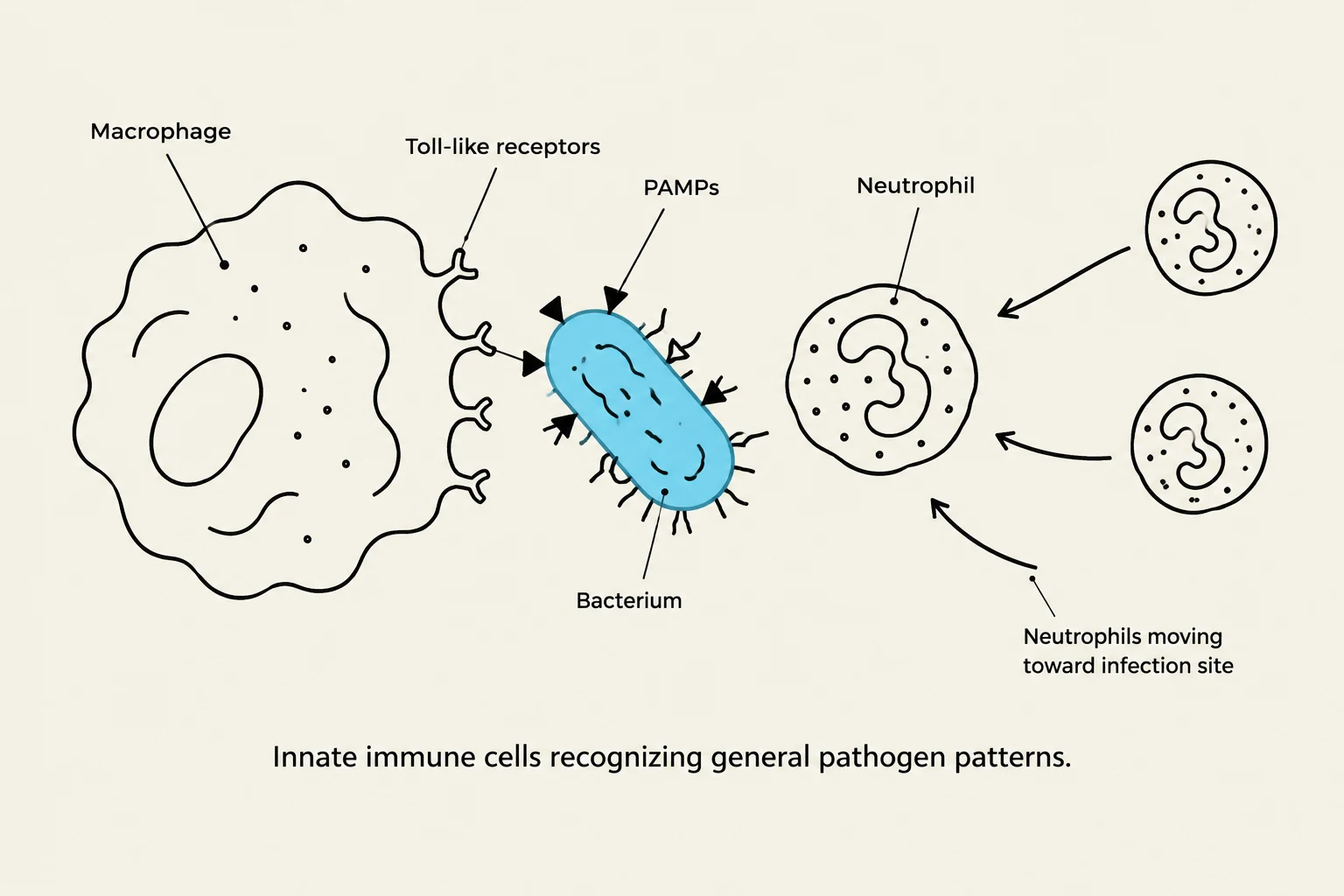
Speed and Mechanism
Because the innate system is always "on" or ready to activate, its response is nearly instantaneous. It utilizes various components to detect and attack invaders immediately upon entry. Key players include:
- Pattern Recognition: The system uses Pathogen-Associated Molecular Patterns (PAMPs) and Toll-like receptors to identify that something "non-self" is present.
- Cellular Components:
- Neutrophils: Rapidly arrive at the site of infection to engulf pathogens.
- Macrophages: Act as both killers and "clean-up" crews to repair tissue after the battle.
- Natural Killer (NK) Cells: Specialize in identifying and destroying compromised host cells.
- Chemical and Protein Systems:
- Cytokines: Signaling molecules that coordinate the inflammatory response.
- Complement System: A group of proteins that can directly attack pathogens or mark them for destruction.
The Role of Inflammation
Innate immunity is closely tied to the inflammatory response. When tissues are injured or infected, the innate system triggers cardinal signs: redness and heat (due to increased blood flow), swelling (due to fluid accumulation), pain, and potential loss of function.

Keep reading for free.
Create an account to finish this reading and make it part of your study routine.
Continue reading freeAlready have an account? Log in
Updated