


When a pathogen—such as a bacterium or virus—attempts to invade the human body, it does not immediately encounter a sophisticated, targeted army of specialized cells. Instead, it first hits a series of formidable, non-specific barriers designed to prevent colonization before it even begins. This is known as innate immunity. Unlike adaptive immunity, which takes time to develop a specific response to a particular threat, innate immunity is always present from birth and provides a rapid, immediate response to any invading pathogen.
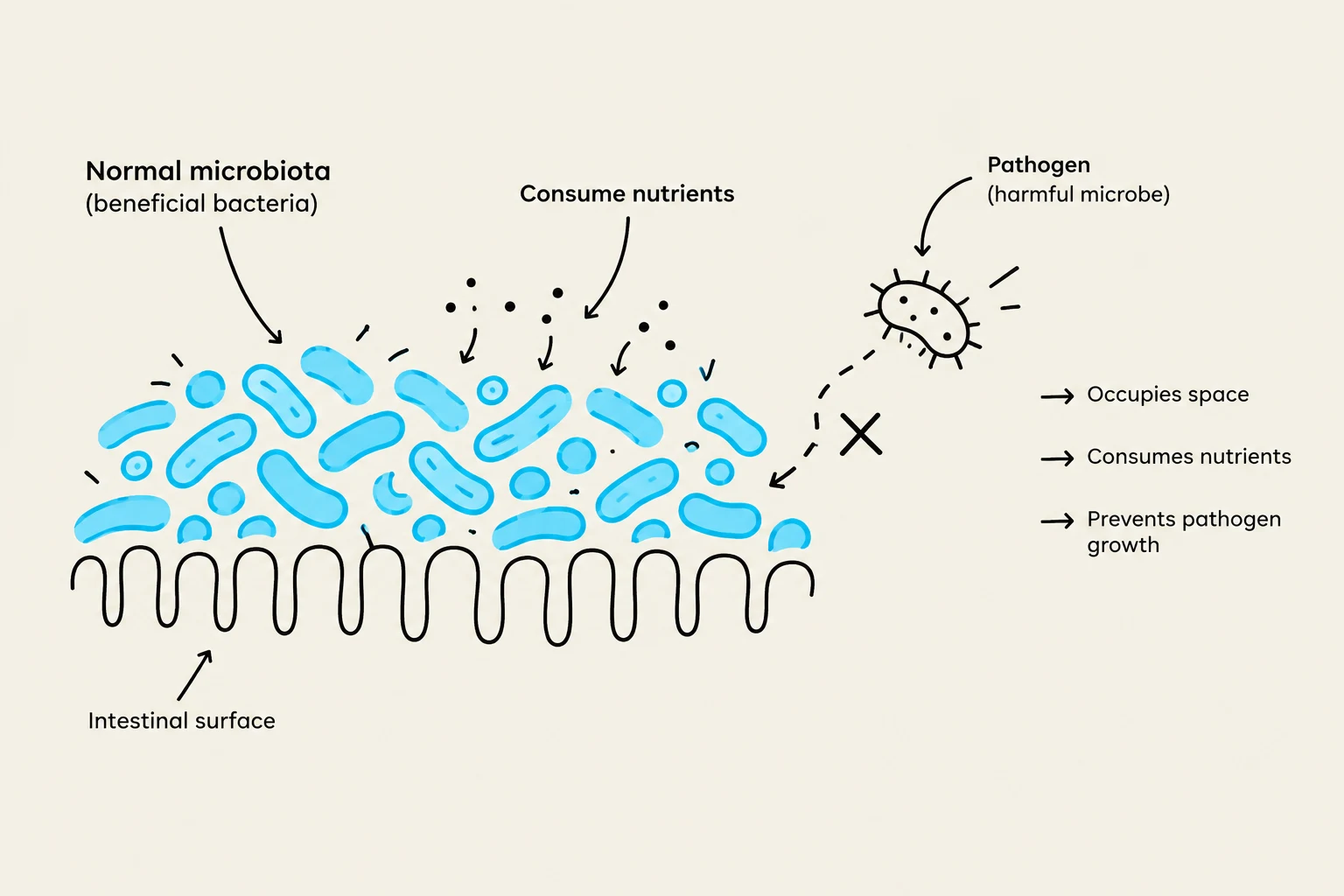
This first line of defense is composed of three main categories: physical factors that act as mechanical obstacles, chemical factors that create hostile environments, and biological factors involving our resident microbial inhabitants.
Physical Barriers: Mechanical Obstacles
Physical barriers serve as the "walls" of our biological fortress. They are designed to block entry or physically sweep microbes away from sensitive areas.
The Skin
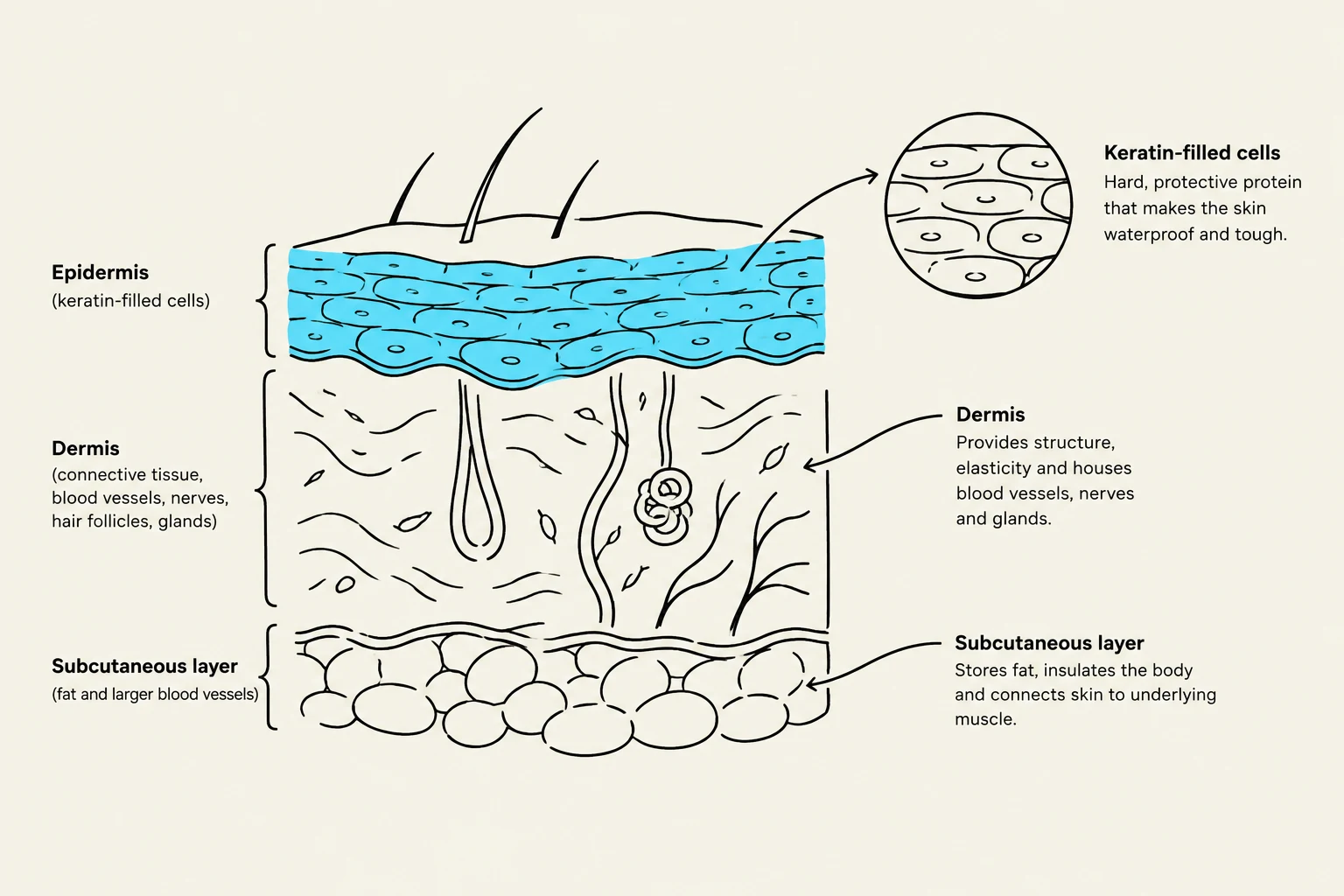
The skin is perhaps our most significant physical barrier. It is composed of two distinct layers: the dermis, which is the inner portion made of connective tissue, and the epidermis, the outer layer consisting of tightly packed epithelial cells. A key component of the epidermis is keratin, a tough, protective protein that provides structural integrity. Furthermore, the continuous shedding of dead skin cells and the natural dryness of the skin surface make it difficult for microbes to establish a foothold and grow.
Mucous Membranes and Mucus
While the skin protects the exterior, mucous membranes protect the internal "wet" surfaces of the body. These membranes line all body cavities that open to the exterior, including the respiratory, digestive, urinary, and reproductive tracts. To keep these membranes moist and to trap invaders, they secrete mucus, a viscous substance made of glycoproteins.
Keep reading for free.
Create an account to finish this reading and make it part of your study routine.
Continue reading freeAlready have an account? Log in
Updated