


When a pathogen—such as a bacterium or virus—attempts to invade the human body, it encounters a sophisticated, multi-layered defense system. This system is broadly divided into two categories: innate immunity and adaptive immunity. While adaptive immunity is highly specific and "learns" from previous encounters, innate immunity is the body's immediate, non-specific response. It is an inherited set of defenses that provides generalized resistance to any foreign invader, regardless of its specific identity.
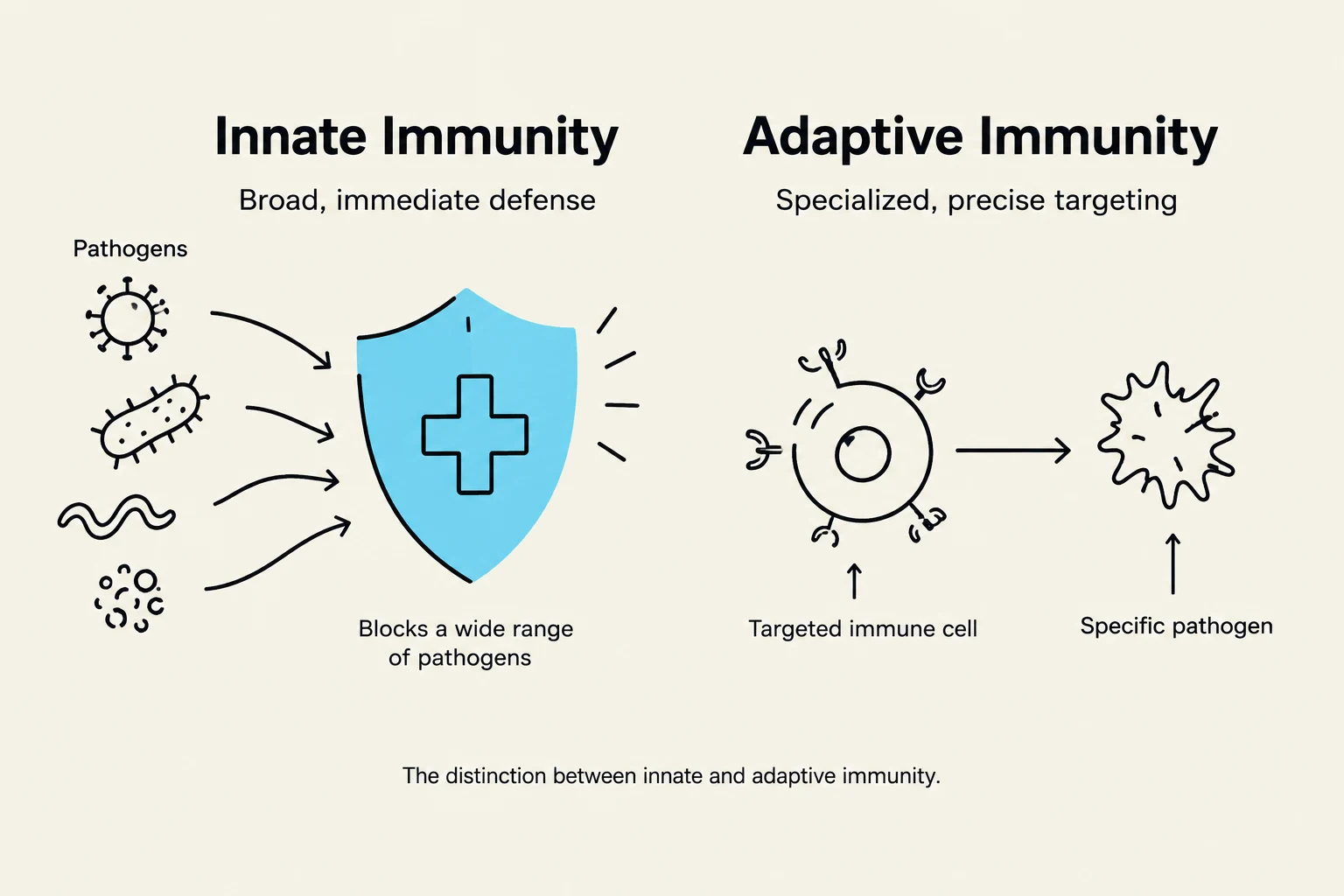
The Two Lines of Defense
Innate immunity operates through two distinct lines of protection. The first line aims to keep pathogens out of the body entirely, while the second line acts internally to destroy any invaders that manage to breach those initial barriers.
The First Line: Surface Barriers
The first line of defense consists of surface barriers designed to prevent pathogen entry. These are categorized into physical and chemical barriers:
- Physical Barriers: The epidermis of the skin provides a tough, continuous layer of protection. Additionally, mucous membranes line the body cavities, acting as a physical trap for microbes.
- Chemical Barriers: The body utilizes various secretions and fluids to create a hostile environment for microbes. For example, sweat glands produce secretions that can inhibit bacterial growth.
The Second Line: Internal Defenses
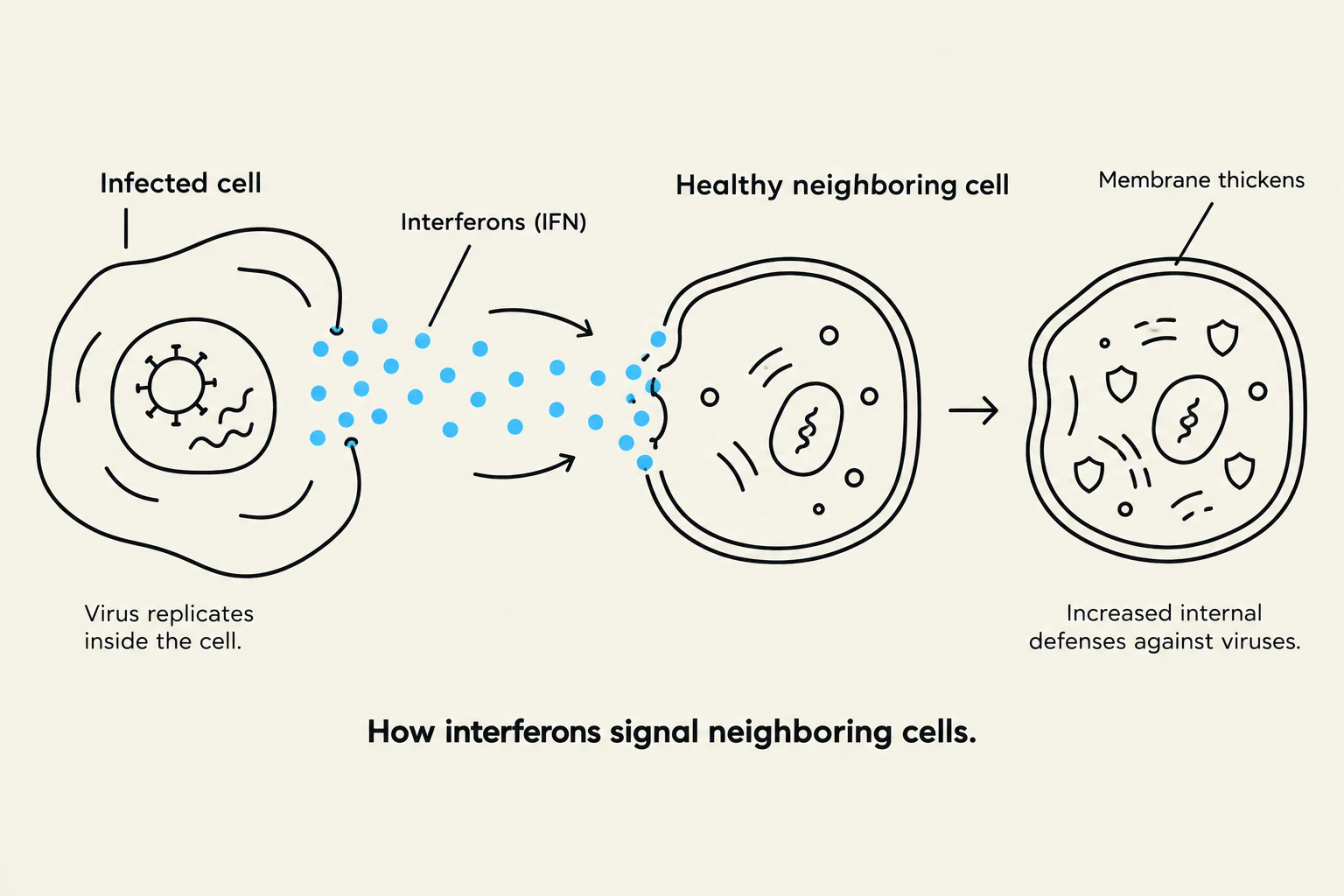
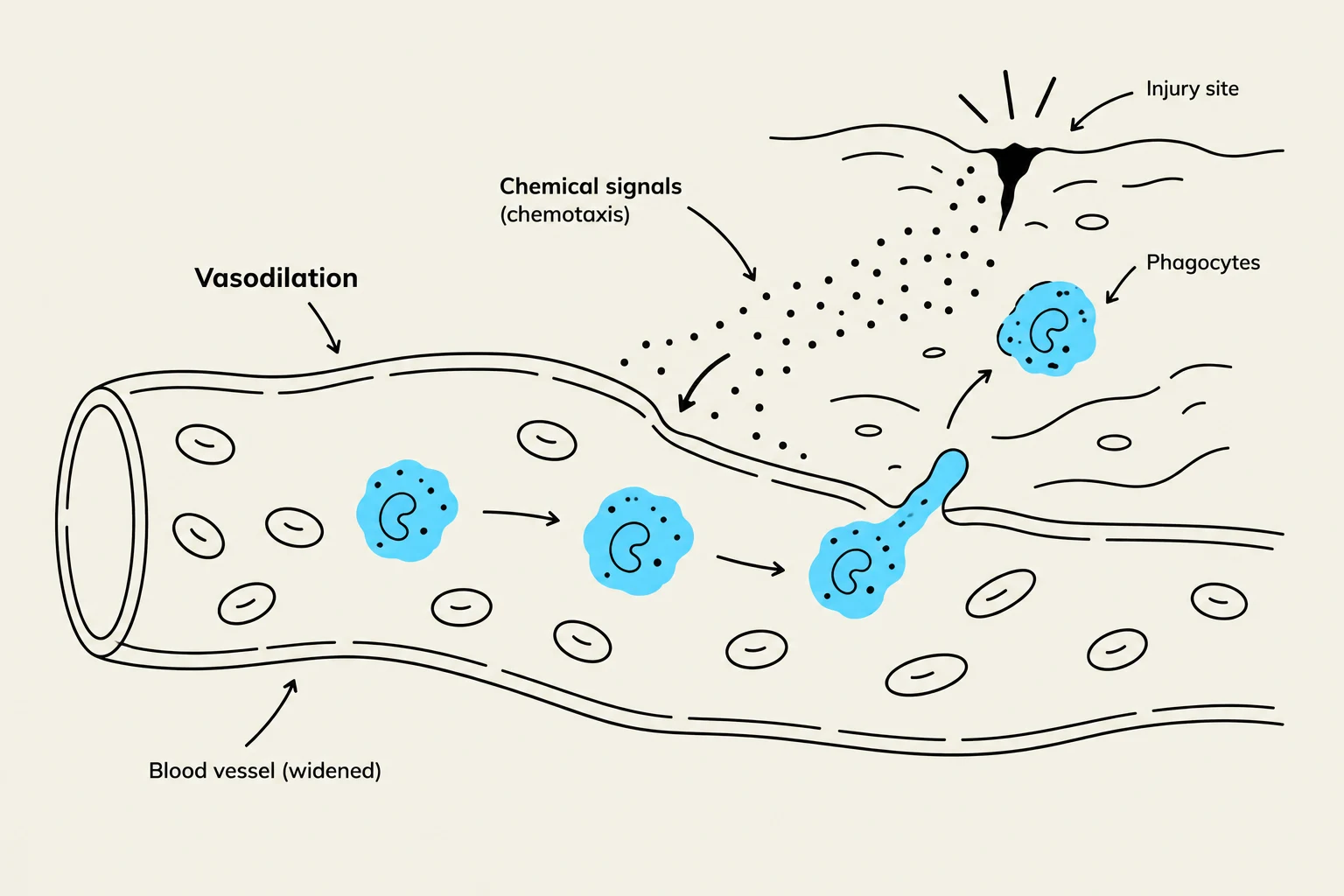
If a pathogen bypasses the skin or mucous membranes, the second line of defense is activated. This internal response involves a complex interplay of proteins, specialized cells, and systemic physiological changes.
Keep reading for free.
Create an account to finish this reading and make it part of your study routine.
Continue reading freeAlready have an account? Log in
Updated