


The transition from traditional resource-based economies to large-scale industrial manufacturing represents one of the most significant shifts in human history. This evolution is not merely a story of machines and factories, but a complex narrative of how technology, economic theories like mercantilism, and the physical landscape of cities transform over time. By examining the visual and chronological markers of the early twentieth century through to the end of the century, we can trace the profound impact of industrialization on both the environment and the social structures of nations.
Early Twentieth Century Manufacturing
The dawn of the twentieth century was characterized by a massive surge in heavy manufacturing. This era is often visually defined by the presence of large-scale industrial factory complexes. A hallmark of this period was the visible environmental impact: smoke billowing from tall factory chimneys served as a symbol of high-output production and economic vitality.
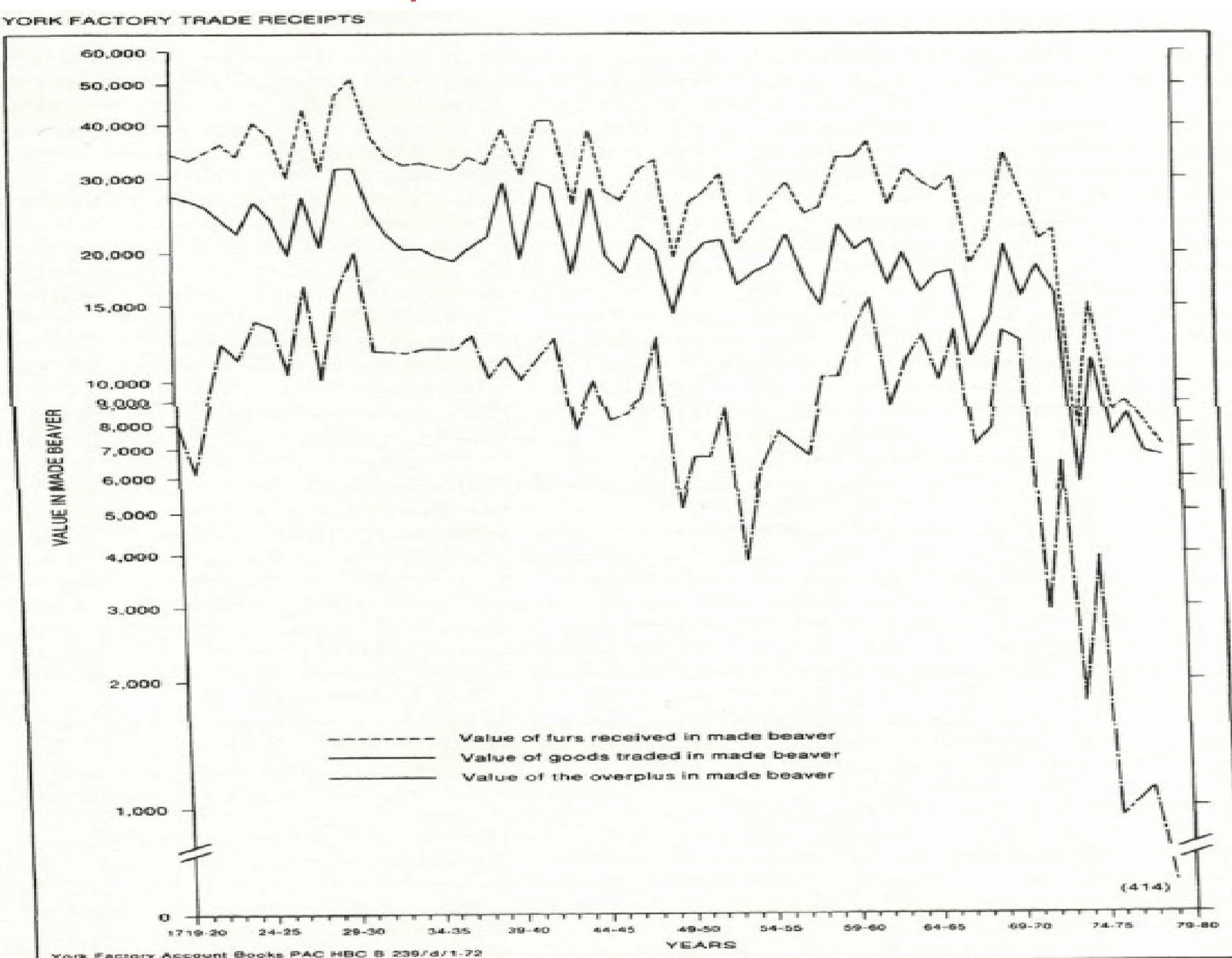
During this period, manufacturing was often driven by the need to process raw materials—a concept closely linked to the "Staple Thesis". In the context of North American history, staples such as fish, fur, lumber, wheat, and minerals were collected from remote areas and sent to industrialized centers for processing and export. This created a cycle where the extraction of natural resources fueled the growth of manufacturing technologies, which in turn required more resources, driving further expansion.
Exam Tip: When discussing early 20th-century manufacturing, remember to link the physical presence of factories (the "smoke and chimneys") to the economic driver of the "Staple Thesis"—the movement of raw materials to industrial hubs.
Keep reading for free.
Create an account to finish this reading and make it part of your study routine.
Continue reading freeAlready have an account? Log in
Updated