


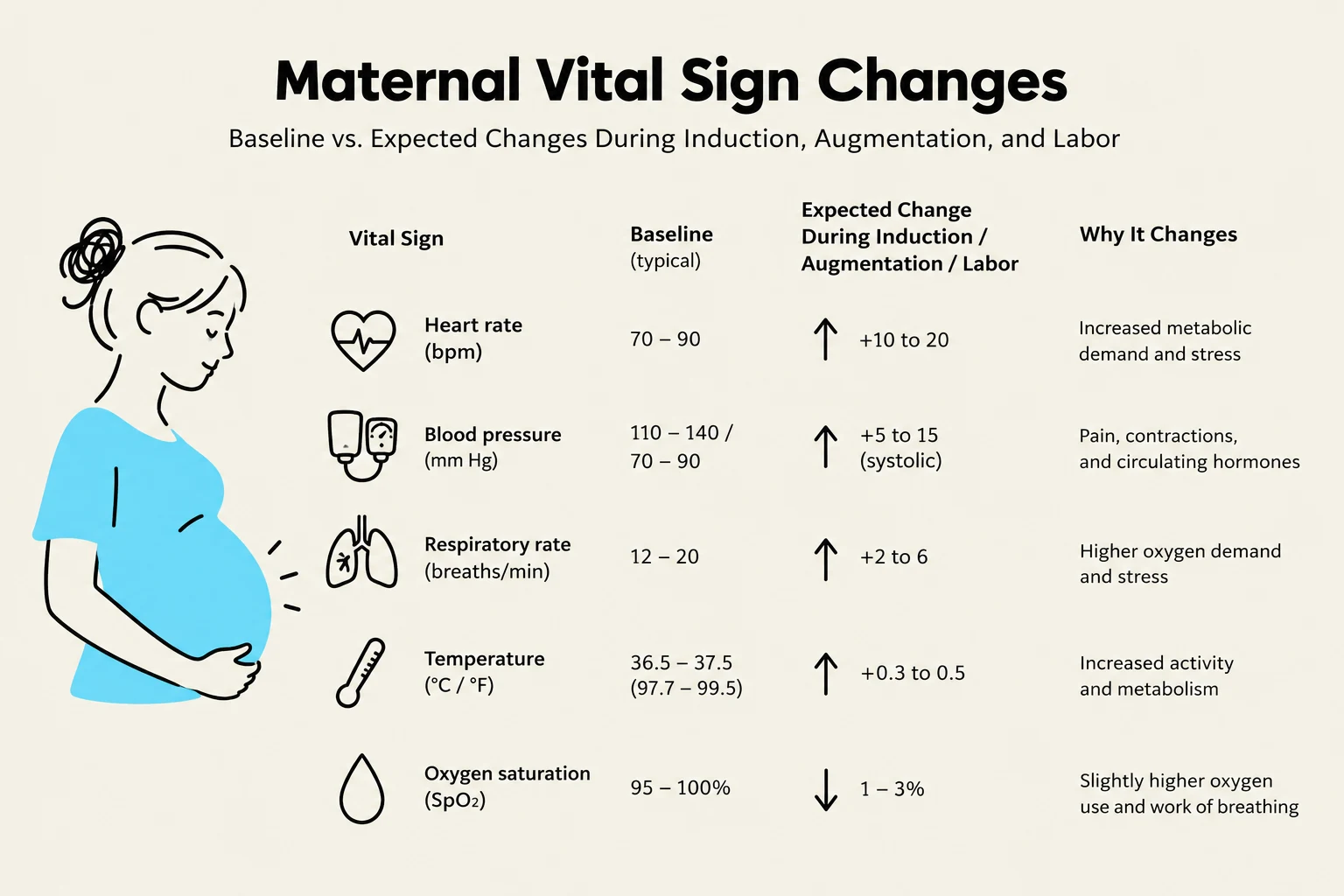
Labor is a complex physiological process driven by a delicate balance of hormones, including increased oxytocin and estrogen, alongside a decrease in progesterone. While many labors begin spontaneously, clinical circumstances may necessitate medical intervention to initiate or strengthen uterine contractions. Understanding the distinction between induction and augmentation, the methods used to achieve them, and the physiological shifts in maternal vital signs is essential for safe intrapartum care.
Induction vs. Augmentation of Labor
It is critical for clinicians to distinguish between the initiation of labor and the enhancement of an existing process.
- Induction of Labor: This refers to the initiation of uterine contractions before their spontaneous onset.
- Augmentation of Labor: This involves increasing the strength, frequency, or duration of contractions that have already begun but are not progressing adequately.
Assessing Readiness: The Bishop Score
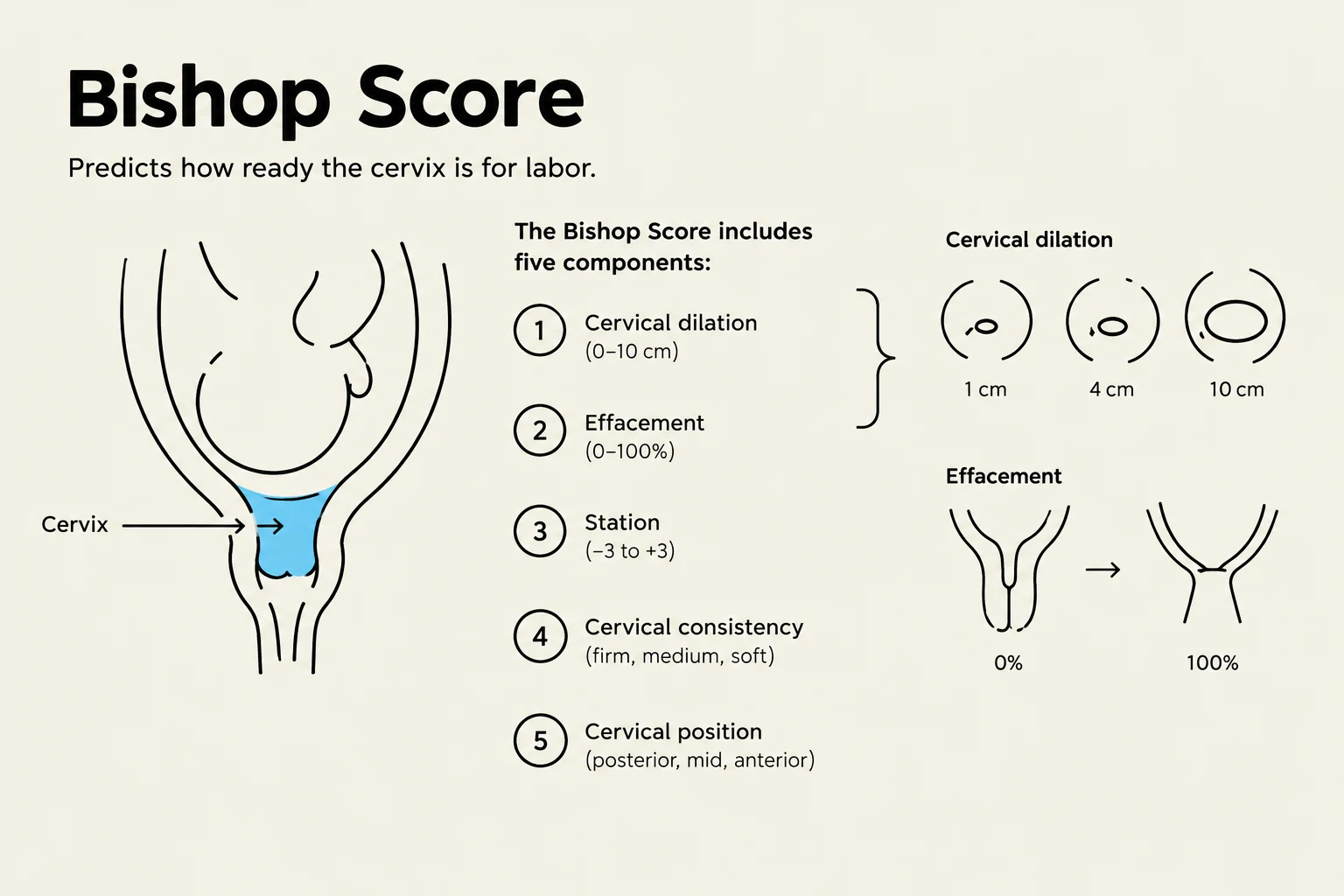
Before proceeding with induction, clinicians must assess how "ready" the cervix is to undergo dilation and effacement. This is done using the Bishop Score, a clinical calculation that evaluates several cervical parameters:
- Dilation: The width of the cervical opening (measured in cm).
- Effacement: The thinning and shortening of the cervix (expressed in percentages).
- Station: The position of the fetal presenting part relative to the ischial spines.
- Cervical Consistency: Whether the cervix feels firm, medium, or soft.
- Cervical Position: Whether the cervix is posterior, mid-position, or anterior.
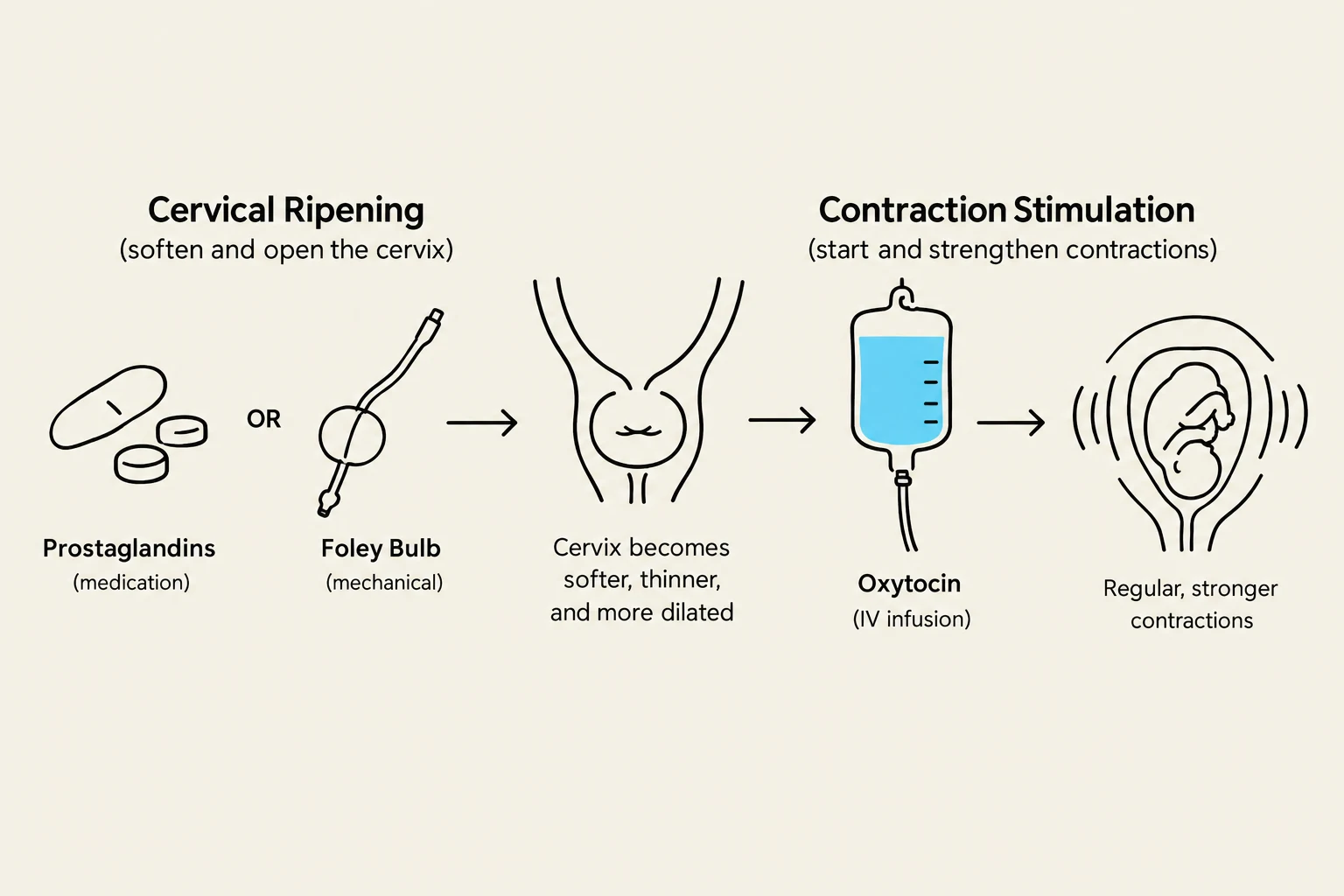
Methods of Induction and Augmentation
Depending on the patient's cervical status and clinical needs, various methods may be employed to stimulate the myometrium (the muscular layer of the uterus).
Keep reading for free.
Create an account to finish this reading and make it part of your study routine.
Continue reading freeAlready have an account? Log in
Updated