


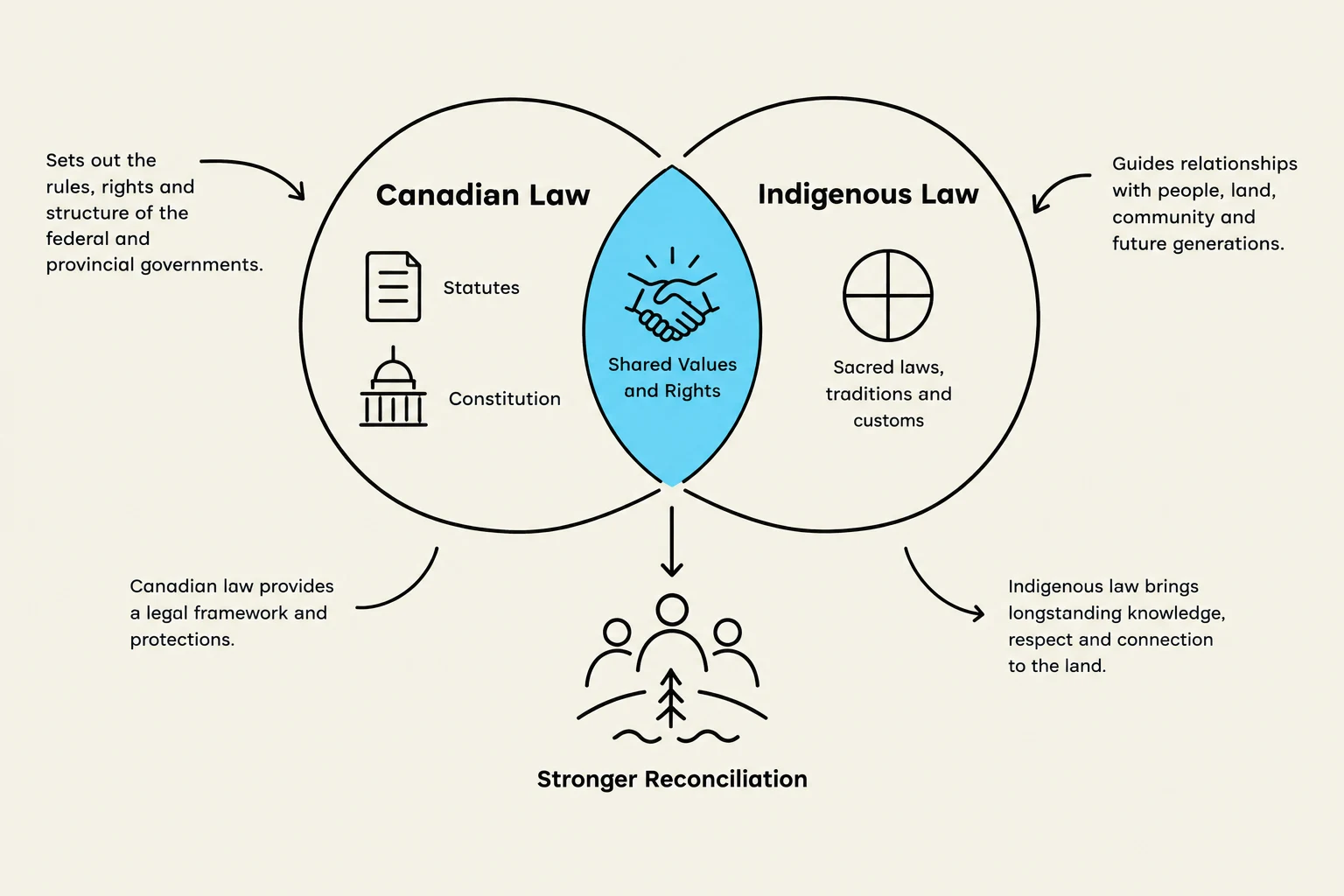
The relationship between Indigenous peoples and non-Indigenous Canadians is currently undergoing a period of profound transformation. Driven by increased public awareness regarding the harmful legacies of Canada’s colonial past—most notably the Indian residential school system—there is a growing movement to improve these relationships. Central to this movement is the recognition of Indigenous legal traditions, not merely as historical artifacts, but as living, breathing systems of law that hold significant importance for the future of Canada’s legal structure.
Defining Key Terms
To understand the legal landscape, one must first navigate the specific terminology used to describe the diverse peoples of this land. While these terms are often used interchangeably in casual conversation, they carry distinct legal and social meanings.
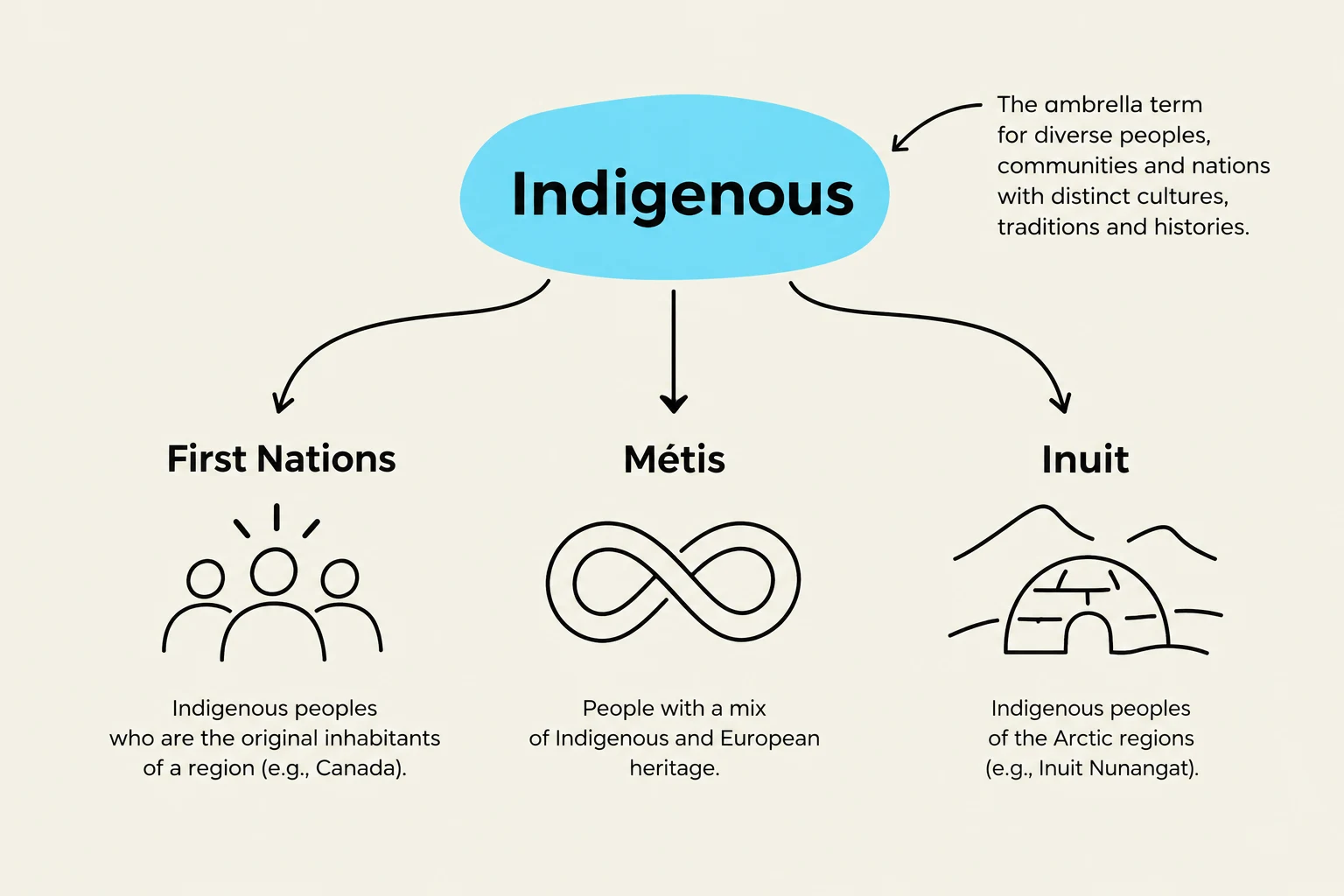
- Indigenous: This is a broad, umbrella term used to describe the original inhabitants of a land. In the Canadian context, it encompasses First Nations, Inuit, and Métis peoples.
- Aboriginal: This is a term specifically used in the Canadian Constitution to describe the collective group of Indigenous peoples.
- First Nations: This term refers to many of the distinct Indigenous groups across Canada who are neither Inuit nor Métis.
- Inuit: The Indigenous peoples inhabiting the Arctic regions of Canada.
- Métis: A distinct Indigenous people with a unique culture and history, often arising from the unions of Indigenous and European ancestors.
- Indian: While this term is still found in legal texts (such as the Indian Act), it is important to note that its usage can be sensitive and is often superseded by more specific or respectful terms like "First Nations" in modern contexts.
Keep reading for free.
Create an account to finish this reading and make it part of your study routine.
Continue reading freeAlready have an account? Log in
Updated