


For thousands of years, the Indigenous peoples of what is now Canada maintained diverse and sophisticated economies deeply integrated with their environments. From the salmon-rich waters of the Pacific Northwest to the bison-filled Great Plains, economic life was defined by resource availability, seasonal cycles, and complex social structures. However, the arrival of Europeans and the subsequent rise of the fur trade fundamentally altered these systems, initiating a shift from purely subsistence-based lifestyles toward a greater market orientation.
Commercialization of Indigenous Economies
The fur trade acted as a "staple" industry, where a specific raw material—in this case, animal pelts—became the primary driver of economic and social development. Unlike other colonial models, such as the plantation-style slavery seen in the American South, the fur trade was unique because Indigenous peoples remained the primary producers within the system.
This period saw a transition where many First Nations began to prioritize the trapping of small game, particularly beaver, to satisfy European demand for luxury goods like felt hats. While traditional hunting for food continued, the economic focus shifted toward the accumulation of European manufactured goods.
Economic Specialization and Middlemen
As the trade expanded, Indigenous groups developed high levels of economic specialization. Rather than every group performing the same tasks, different Nations became experts in specific commodities or services. For example, the Ojibwa specialized in hunting and trapping beaver, while the Assiniboine became renowned for skin preparation.
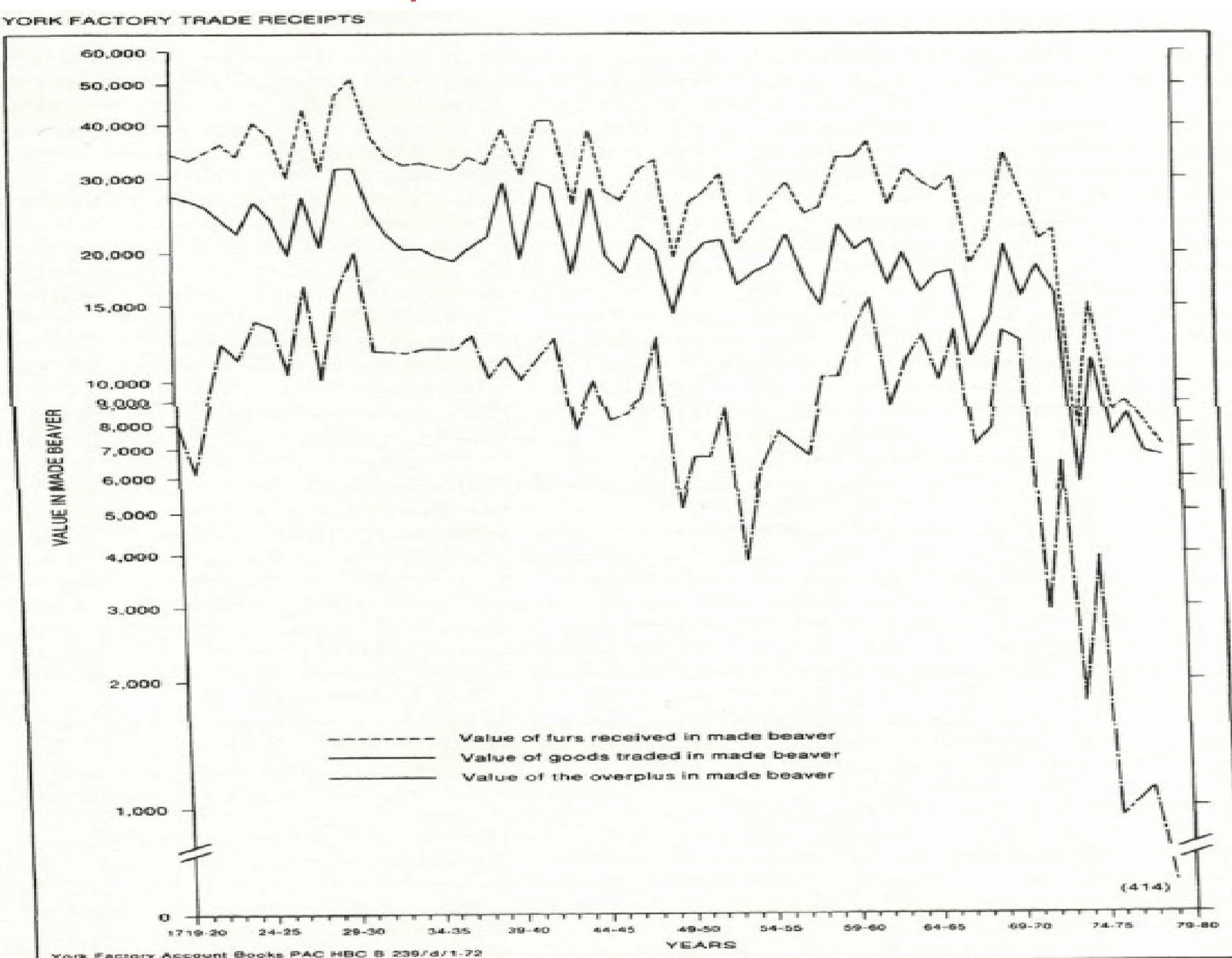
Certain groups, such as the Cree and Assiniboine, leveraged their geographic positions to become powerful middlemen. They transported furs from the deep interior to major coastal trading posts, such as York Factory, Albany, Churchill, and Moose River. This role required significant logistical coordination and led to territorial expansion and increased interaction between different Indigenous groups.

Keep reading for free.
Create an account to finish this reading and make it part of your study routine.
Continue reading freeAlready have an account? Log in
Updated