


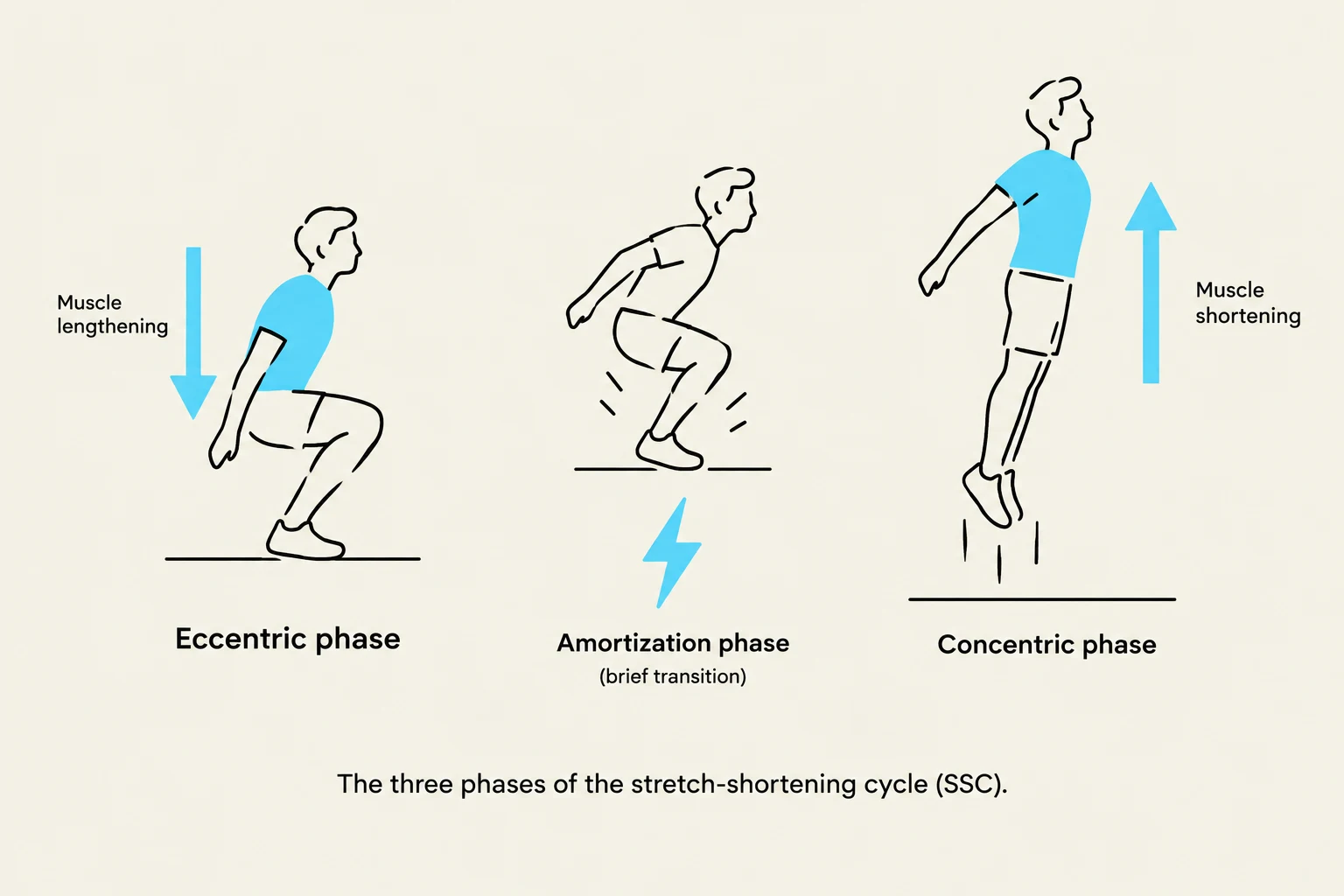
Plyometric training is a specialized method of exercise designed to increase power through the utilization of the stretch-shortening cycle (SSC). By utilizing rapid eccentric contractions followed immediately by explosive concentric actions, athletes can maximize their ability to produce force and improve overall athletic performance. When implemented correctly, a plyometric program can enhance neuromuscular control, increase muscular power, and improve bone density. However, due to the high intensity and impact of these movements, a systematic approach to program design and technical execution is essential to ensure safety and efficacy.
Evaluating the Athlete and Establishing Goals
Before selecting specific drills, a coach must conduct a thorough evaluation of the athlete's profile. Effective program design requires an analysis of the athlete's sport, training history, and specific performance goals.
Individual Considerations
- Sport and Position: The type of movement required (e.g., jumping, sprinting, or lateral cutting) should dictate the selection of drills.
- Training Status: An athlete's current strength and experience with high-intensity loads will determine the starting volume and complexity of the program.
- Age-Specific Needs:
- Prepubescent and Adolescent Athletes: For children, plyometrics can be used to enhance motor control and aerobic skills. However, high-intensity, high-impact drills like depth jumps are contraindicated for this population. Progression for youth should follow a simple-to-complex continuum, perhaps starting with jumps per session over weeks.
- Master Athletes: When working with older athletes, coaches should be specific regarding goals and consider existing strength levels and orthopedic conditions. While soreness is normal, any chronic or excessive pain should prompt a modification of the program.
Keep reading for free.
Create an account to finish this reading and make it part of your study routine.
Continue reading freeAlready have an account? Log in
Updated