


Infectious diseases remain a leading cause of mortality globally, affecting both developed and developing nations. An infection occurs when a microorganism invades host tissues, causing disease through either exogenous introduction from the environment or endogenous invasion where a resident organism overcomes the host's innate immunity. Understanding how these pathogens interact with the human body requires a deep dive into microbiology, the mechanisms of virulence, and the complex ways our immune system attempts to defend itself.
The Pathogenic Landscape
Pathogens are categorized into several major types: bacteria, viruses, fungi, protozoa, parasites, and even infectious proteins known as prions. To successfully establish an infection, these microorganisms utilize virulence factors, which include toxins, adhesion molecules, and proteins designed for immune evasion.
Transmission of these agents can occur through various routes, such as respiratory droplets, fecal–oral pathways, vector-borne (insects), sexual contact, or congenital transmission. It is important to distinguish between different states of microbial presence:
- Commensals: Part of the human microbiome, these organisms live symbiotically within or on the host and rarely cause disease.
- Colonization: The presence of bacteria on a body surface without active disease.
- Opportunistic Infections: These occur when a host's immunity is compromised (e.g., in HIV patients or transplant recipients), allowing normally harmless commensals like Candida albicans or environmental organisms like Aspergillus to cause disease.
Exam Tip: If a microbiology report shows growth from a "normally sterile site" (such as blood, cerebrospinal fluid, or deep tissue), it is diagnostic of an infection, not mere colonization.
Bacterial Identification and Management
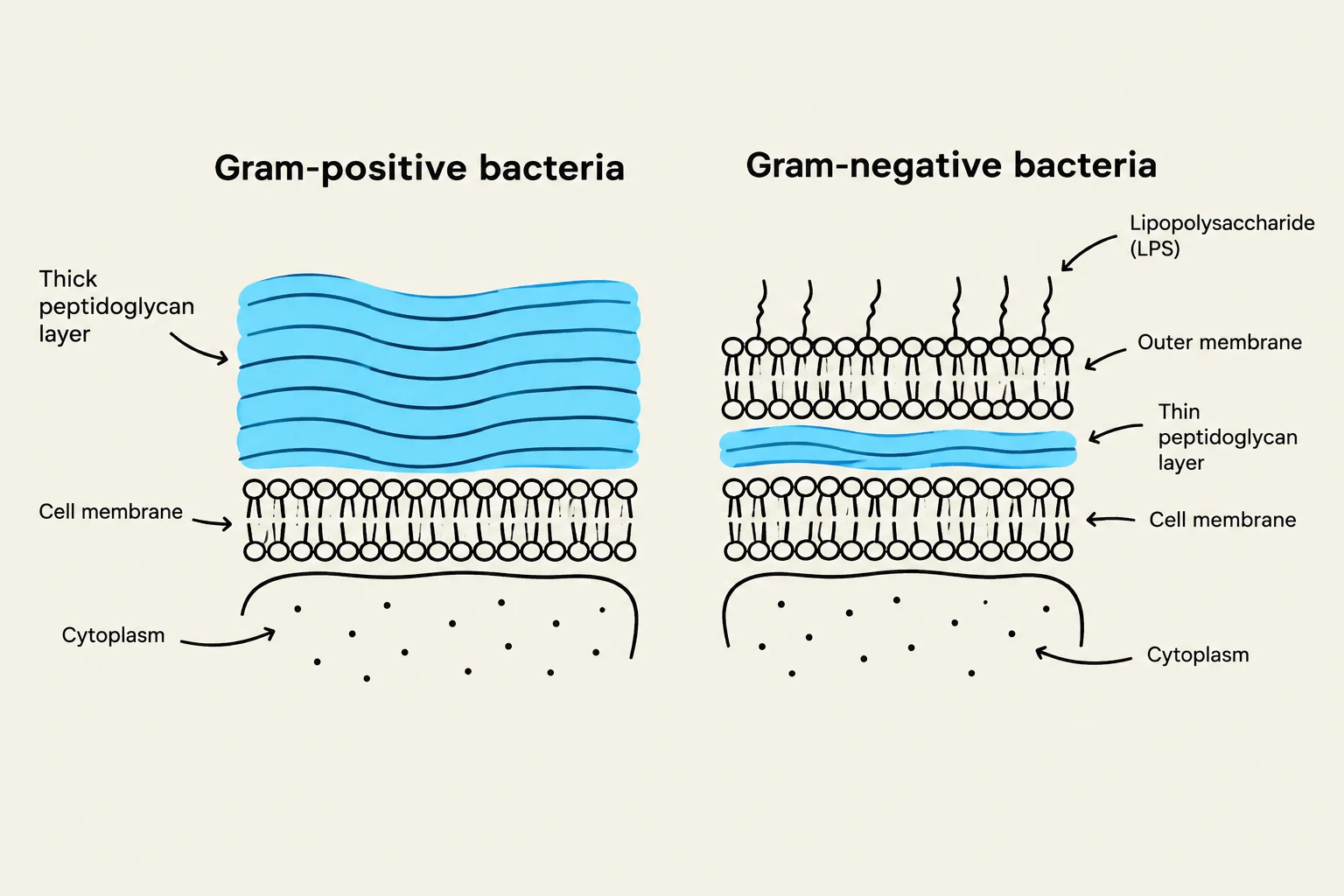
When a patient presents with an infection, clinicians often begin with a Gram stain to provide quick, preliminary results. While this does not identify the specific species, it allows for the adjustment of empiric antibiotic therapy.

Keep reading for free.
Create an account to finish this reading and make it part of your study routine.
Continue reading freeAlready have an account? Log in
Updated