


In the field of pest management, accurate identification is the cornerstone of effective control. Misidentifying a harmless insect as a pest can lead to unnecessary chemical applications, while failing to recognize a true infestation can result in significant structural damage or public health concerns. One of the most challenging pests for both homeowners and professionals is the bed bug (Cimex lectularius). Because these insects are highly mobile and adept at hiding in microscopic crevices, recognizing the physical evidence of their presence is essential for timely intervention.
Biology and Behavior of Bed Bugs
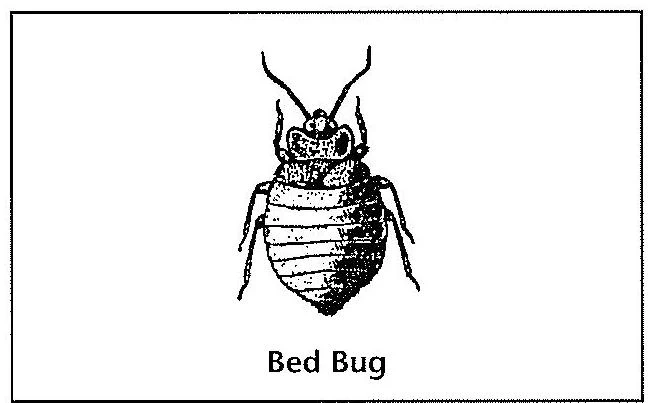
Bed bugs are small, reddish-brown, wingless ectoparasites belonging to the order Hemiptera (true bugs). They feed exclusively on the blood of mammals and birds, typically targeting humans while they are sleeping. To facilitate their feeding, bed bugs inject specialized substances: anesthetics to prevent the host from feeling the bite, and anticoagulants to ensure the blood remains fluid for consumption.
Bed bugs undergo gradual metamorphosis (also known as simple metamorphosis), progressing through the stages of egg, nymph, and adult. During the nymphal stages, the insects undergo several molts, with the period between each molt referred to as an instar. Under optimal environmental conditions, such as temperatures between , they can complete their entire development in just one month, allowing for rapid population growth.
While bed bugs can survive for several months without a blood meal, they are highly mobile and can travel over 100 feet in a single night. They are notorious "hitchhikers," frequently spreading between locations via luggage, clothing, or furniture.
Keep reading for free.
Create an account to finish this reading and make it part of your study routine.
Continue reading freeAlready have an account? Log in
Updated